
Reviewed · MUSEUMS
Brussels: Museum of Illusions Entry Ticket
Reality gets slippery here. The Museum of Illusions Brussels packs more than 60 optical tricks, puzzles, and hands-on displays into a playful visit in the city center. I like the way it turns simple science into something you can touch, test, and photograph. I also like the warm staff support, especially when you need someone to take a photo or explain what an illusion is doing. The main drawback is time: many people finish in about an hour, so $22 can feel high if you expect a full afternoon.
This is a good rainy-day choice, a handy stop for families, and an easy way to add something light between Brussels landmarks. I would not choose it over the city’s major museums if you want art, history, or a long cultural visit. But if you want laughter, odd photos, and a few pleasant brain tangles, it earns its place.
In This Review
- Key points at a glance
- Why this museum works as a Brussels break
- Your first moments at the ticket counter
- The first illusions: learning how your eyes get fooled
- The photo stops are part of the activity
- Puzzles that test patience as much as eyesight
- How long should you allow?
- Is $22 a fair price?
- Who will enjoy it most?
- Practical details worth knowing
- Should you book the Museum of Illusions Brussels?
- FAQ
- Where is the Museum of Illusions Brussels located?
- How much does entry cost?
- How long does a visit take?
- How many illusions are there?
- What is included in the ticket?
- Do I need to exchange my voucher?
- What languages are available?
- Is the museum wheelchair accessible?
- Can I cancel the booking?
Key points at a glance
- More than 60 interactive illusions: You do not just look at displays. You test your balance, perception, and sense of scale.
- Plan on about one hour: Some people stay closer to two hours, but a brisk visit can be much shorter.
- Staff help with photos: This matters if you are visiting as a couple or small group and want everyone in the picture.
- Good for children and playful adults: The activities suit families, friends, and anyone who enjoys puzzles more than formal museum labels.
- Three languages available: Support is offered in English, French, and Dutch.
- Wheelchair accessible: The venue is designed to welcome visitors using wheelchairs.
Why this museum works as a Brussels break
Brussels gives you grand squares, historic buildings, chocolate shops, and serious museums. The Museum of Illusions offers a different kind of outing. It asks you to play.
I find that change of pace useful on a city trip. You can spend the morning looking at paintings or old buildings, then spend an hour trying to work out why your eyes are making a room look strange. The museum is not built around quiet contemplation. It is social, physical, and cheerful.
The displays are designed for participation. You may need to stand in a particular spot, follow instructions, compare what you see with what another person sees, or pose for a photo. That makes the visit more engaging than a room full of objects behind glass.
It also gives families a shared activity. Children can experiment without needing a long attention span, while adults often become just as competitive when a puzzle seems obvious but refuses to cooperate. I would expect plenty of laughter, especially in a group of friends.
More Museums in Brussels
- Brussels: Atomium Entry Ticket with Design Museum Ticket
★ 4.4 · 9,254 reviews - Choco-Story Brussels: Chocolate Museum Entrance with Tasting
★ 4.3 · 4,883 reviews - Brussels: Autoworld Museum Ticket
★ 4.7 · 1,301 reviews
Your first moments at the ticket counter
Before you begin, you must exchange your voucher at the ticket counter. This is a small but important practical point. Do not treat the voucher as your final entry document without checking the exchange requirement.
A host or greeter can assist in English, French, or Dutch. That language range is useful in Brussels, especially if different members of your group prefer different languages. Staff help is one of the strongest parts of the visit. They explain how to use the displays and can help you get the best out of the photo setups.
The tone appears friendly rather than formal. That suits the museum. You are not preparing for an exam, and you do not need a background in science or psychology. You simply need curiosity and a willingness to look slightly silly.
If you are visiting with only one other person, ask staff for help with photos. This is a real benefit. A group of two can otherwise spend much of the visit taking turns, with one person missing from every picture. Staff have been especially helpful to couples and solo visitors who want a fuller record of the experience.
The first illusions: learning how your eyes get fooled
The museum’s central idea is simple: your eyes report information, but your brain interprets it. When those two steps do not quite agree, you get an illusion.
You can expect the visit to move through a series of displays rather than a single long presentation. Each one gives you a chance to try something, look from a particular angle, or compare your reaction with that of your companions.
I like this format because it keeps the science close to everyday experience. You are not reading a long explanation before seeing the point. You first notice that something looks wrong, then you get a chance to understand why.
Some illusions may feel familiar if you have visited a similar museum elsewhere. That is worth knowing before you book. The Brussels venue still provides a fun setting, but not every display will feel completely new to every adult. Children and first-time visitors are likely to get the biggest surprise from the visual tricks.
The museum presents more than 60 illusions, so there is enough variety to prevent the visit from becoming one repeated trick. Expect optical effects, perception challenges, and brain-teasing puzzles, with plenty of chances to interact rather than simply watch.
The photo stops are part of the activity
Photography is not a side benefit here. It is part of the fun.
Many displays are built to create unusual pictures. Your group can appear to change size, lose its sense of balance, or take part in a scene that looks impossible when framed correctly. The best images depend on standing in the right place and following the instructions.
That is why staff guidance helps. A quick explanation can turn a confusing display into a good photo. Staff may also take the picture for you, which is particularly useful for couples, families, and small groups.
I would bring a phone with enough battery and storage. That is practical advice rather than a promise of any specific photo service. With more than 60 possible stops, you may take more pictures than expected, especially if children want to repeat a favorite pose.
Do not rush past the instructions. The photo effect often depends on your position, the camera angle, or the way people arrange themselves. A few seconds spent listening can make the difference between a clear image and an ordinary snapshot.
The photo element also changes the mood. You are not expected to behave like you would in a traditional museum. You can laugh, pose, try again, and share the result with your group.
Something different, still within reach of Brussels:
- From Brussels: Guided Day Trip to Bruges and Ghent
★ 4.6 · 8,353 reviews - From Brussels: Bruges & Ghent Day Tour – 2 Fairytale Cities
★ 4.7 · 8,242 reviews - Bruges and Ghent – Belgium’s Fairytale Cities – from Brussels
★ 4.0 · 4,809 reviews - Brussels: Hop-On Hop-Off Bus Tour
★ 4.0 · 4,016 reviews
Puzzles that test patience as much as eyesight
The brain games give the visit more substance than a string of photo opportunities. They ask you to notice patterns, judge space, or rethink an answer that seemed clear at first.
These challenges suit people who enjoy solving things together. You can compare guesses with your friends or watch children work out an answer in their own way. The museum encourages creativity, so there is value in trying an idea even when it looks odd.
I would keep your expectations sensible. This is entertainment with educational value, not a formal science lesson. You will encounter ideas about perception and visual judgment, but the main aim is to make you curious and amused.
That balance is one reason the museum suits mixed-age groups. Younger children can focus on the surprise and movement, while adults can talk about why the effect happens. A family does not need to share the same interest in museums to enjoy this one.
Some people may feel dizzy when looking at certain illusions. One visitor described getting dizzy but still having a lot of fun. If you know that visual effects bother you, take your time and move on from any display that feels uncomfortable.
How long should you allow?
The advertised activity is valid for one day, with starting times available when you check. The actual visit is commonly around one hour, though some people expect to spend up to two hours.
That range matters when you plan your Brussels day. I would allow at least an hour, then add extra time if you are with children, taking many photographs, or stopping to work through the puzzles. A quick-moving adult pair may finish sooner.
One hour makes the museum easy to fit into a busy itinerary. You can use it as a short indoor stop during poor weather or place it between other central Brussels activities. At the same time, a one-hour visit means the $22 price needs to be judged against the quality of the fun, not the number of hours alone.
The shorter duration is the clearest value concern. One visitor found it took only an hour instead of the expected two, although still considered it a fun way to avoid the rain. If you want a long museum visit, you may feel underwhelmed. If you want a lively break that does not consume half your day, the timing works well.
Is $22 a fair price?
At $22 per person, this is not the cheapest casual attraction in Brussels. The ticket covers entry to the Museum of Illusions, while food and drinks are extra and not included.
I think the value depends on your group. For a family that enjoys taking pictures and trying every activity, the price can make sense because the museum creates a shared outing rather than a quick look at static displays. For a couple who moves through exhibits quickly, the cost may feel less convincing.
Staff attention improves the value. Friendly explanations, clear instructions, and help with photographs make the visit feel more complete. A solo visitor even received extra assistance after a companion became ill, with a staff member explaining the illusions and taking photos. That kind of kindness can matter when a plan changes unexpectedly.
The price also buys flexibility in your day. You do not need to commit to a half-day tour or a long guided program. You can fit the museum around other Brussels plans and reserve now while paying later, which helps if your schedule is still changing.
My advice is simple: book it for the activities and social fun, not for the duration. At $22, you should want to participate. If you plan to walk through quickly and take only a few pictures, the value is weaker.
Who will enjoy it most?
I would recommend this museum to families with children, couples who want unusual holiday photos, groups of friends, and adults who like puzzles. It is also useful for a solo visitor because staff can help explain displays and take photographs.
The strongest audience is anyone who enjoys doing rather than simply looking. You will get more from the ticket if you crouch, pose, test an idea, and give each display a fair try.
It is less suited to someone seeking Brussels art, historic objects, or a quiet scholarly visit. It may also disappoint you if you expect every illusion to be completely original. Similar visual tricks exist in other attractions, and one assessment found the museum merely alright as entertainment, with children likely to enjoy it most.
Still, that is not a serious flaw if you choose it for the right reason. This is a playful attraction. It is not trying to replace the city’s major cultural sights.
Practical details worth knowing
The museum is in the Brussels Capital Region, with the attraction located in the heart of the city. The exact meeting procedure is clear: exchange your voucher at the ticket counter before entering.
The experience is wheelchair accessible. Host support is available in English, French, and Dutch, so you can choose from those languages when communicating with staff.
You can cancel up to 24 hours in advance for a full refund. The reserve-now, pay-later option lets you hold a place without paying immediately, which is useful when your Brussels schedule is not fixed.
Check the available starting times before booking. The ticket is valid for one day, so the selected date and available time matter when you arrange the rest of your day.
I would also plan for photographs and allow some patience at popular displays. Even if the visit is not crowded, a group may need a moment to understand the instructions or retake a photo. Staff support is available, but the pace can vary depending on how much you play.
Should you book the Museum of Illusions Brussels?
Book it if you want an easy, interactive hour with good photo opportunities and friendly staff. It is especially sensible on a wet day, with children, or when your group needs a break from churches, squares, and formal museums.
I would skip it if your Brussels list is already full of major cultural sights and you prefer longer visits with more historical depth. At $22, the short duration is the main question.
For the right audience, I think it is worth considering. Go ready to participate, ask for help with photographs, and give the puzzles more than a quick glance. You may have seen a few familiar tricks before, but the combination of hands-on activities, laughter, and unusual pictures makes this a pleasant change of pace.
FAQ
Where is the Museum of Illusions Brussels located?
It is located in the heart of Brussels, in the Brussels Capital Region of Belgium.
How much does entry cost?
The listed price is $22 per person.
How long does a visit take?
The activity information describes a roughly one-hour visit, though some people may spend closer to two hours. A quicker visit can take about an hour.
How many illusions are there?
The museum has more than 60 interactive optical illusions and activities.
What is included in the ticket?
The ticket includes entry to the Museum of Illusions. Food and drinks are not included.
Do I need to exchange my voucher?
Yes. You must exchange your voucher at the ticket counter before the visit begins.
What languages are available?
Host or greeter support is available in English, French, and Dutch.
Is the museum wheelchair accessible?
Yes, the activity is wheelchair accessible.
Can I cancel the booking?
Yes. You can cancel up to 24 hours in advance for a full refund. You can also reserve now and pay later.
Just added around Brussels
- Discover the secrets of Brussels while playing★ 5.0 · 3 reviews
- Standard vehicle from Charleroi airport to city of Brussels★ 4.5 · 3 reviews
- Full day Brugge & Ghent: the gems of Flanders★ 5.0 · 3 reviews
- Private tour : Best of Brussels half day From Brussels★ 5.0 · 3 reviews
- Private Tour – Bruges and Ghent, our fairytale cities★ 5.0 · 3 reviews
- Floating in the clouds★ 5.0 · 3 reviews
- Full-Day City Tour of Ghent and Bruges from Brussels★ 4.5 · 3 reviews
- Brussels Private Walking Tour With A Professional Guide★ 4.5 · 3 reviews
Museums, compared.
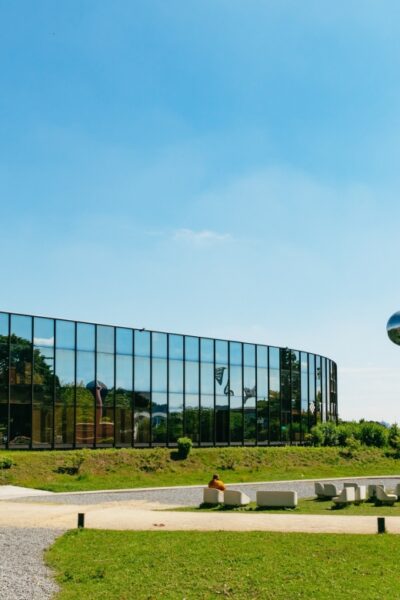
Atomium Entry Ticket with Design Museum Ticket
Read our review →
Choco-Story Brussels: Chocolate Museum Entrance with Tasting
Read our review →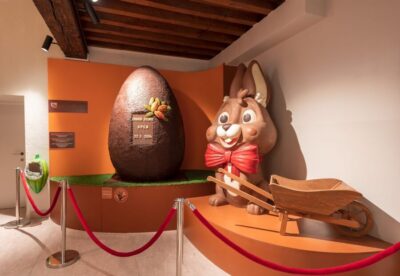
Choco-Story Chocolate Museum Guided Tour w/Tastings
Read our review →
2.5-Hour Chocolate Museum Visit with Workshop
Read our review →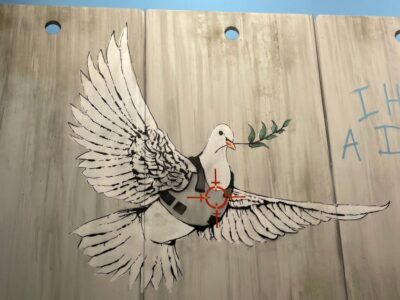
The World of Banksy Museum Permanent Exhibition
Read our review →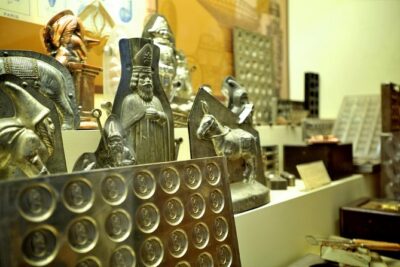
Browse the lists this tour appears in