
Reviewed · GUIDED
Guided tour: Brussels Crime Scenes
Dark stories hide behind Brussels facades. This two-hour walk links real 19th- and 20th-century crimes with the people, police, customs, and social rules of the city at the time. I like the strong historical context, and I like that the guide treats victims and other people involved with care rather than turning tragedy into cheap theater. The main consideration is the subject matter: some cases are violent, bloody, and unsettling.
The route is compact, beginning at Rue de l’Etuve near the Grand Place and ending at Place Saint-Géry. I also appreciate the modest $23.26 price, which gives you a focused look at Brussels beyond chocolate, beer, and ornate squares. Still, anyone hoping for costumes, audience participation, or a highly theatrical performance may find the presentation fairly straightforward.
In This Review
- Five things to know before booking
- What this Brussels crime tour is really about
- Starting near Grand Place and Rue de l’Etuve
- Rue de l’Amigo: hotels, status, and a darker past
- A crime of passion at the old hotel
- Le Coin du Diable and a 17th-century legend
- Place Saint-Géry and three deaths
- Place du Jardin aux Fleurs and the strange final motive
- The guide’s style and the value of context
- Is $23.26 good value for two hours?
- Who should book this walking tour?
- Should you book Brussels Crime Scenes?
- FAQ
- How long does the Brussels Crime Scenes tour last?
- Where does the tour begin?
- Where does the tour end?
- How much does the tour cost?
- How many people can join the tour?
- Can I cancel for a full refund?
Five things to know before booking

- Real crimes shape the route: The tour uses cases from the 19th and 20th centuries, along with an older 17th-century legend.
- The Grand Place is only the beginning: You cross this famous square before reaching the darker stories around Rue de l’Amigo.
- Rue de l’Amigo gets two separate cases: One concerns the changing reputation of a luxury hotel, and another centers on a crime of passion.
- Place Saint-Géry brings the most shocking case: A 19th-century crime there left three people dead and gripped Brussels.
- The final stop has an unusual motive: Place du Jardin aux Fleurs closes the walk with a crime involving a most unexpected kind of loot.
- The group can reach 25 people: That is large enough for energy, but small enough for a guide to keep the walk manageable.
What this Brussels crime tour is really about
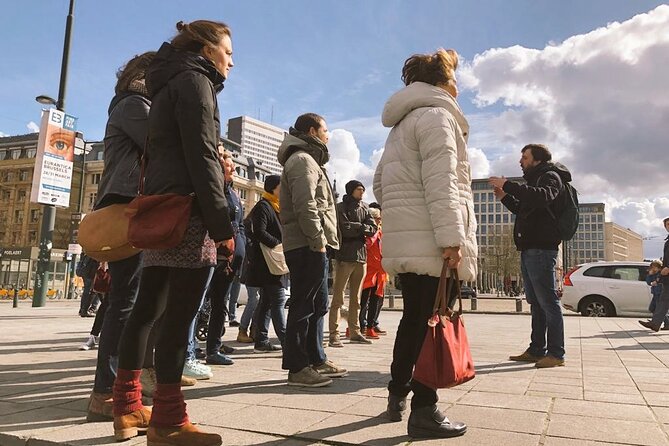
This is not simply a list of murders and scandals. The useful part is the setting around each case. You learn how people lived, how police dealt with crime, and how Brussels society responded when violence broke through everyday life.
That social angle gives the tour more value than a standard spooky walk. A crime tells you something about the people involved, but public reaction tells you even more. The guide connects each event to the customs and attitudes of its era, so you get a portrait of Brussels through its darker moments.
The tone is described as frightening and sometimes bloody, but also respectful and closely tied to the facts. That balance matters. Crime tours can easily become silly, especially in places with dramatic names and old legends. Here, the aim is to explain rather than sensationalize.
You should also know that the stories cover different kinds of criminal behavior. Some involve passion, some involve shocking violence, and one centers on a strange motive. The result is a varied two hours, though not a gentle introduction to Brussels for young children or anyone uncomfortable with violent subject matter.
A few more trips and experiences worth a look
- Brussels: Atomium Entry Ticket with Design Museum Ticket
★ 4.4 · 9,254 reviews - From Brussels: Guided Day Trip to Bruges and Ghent
★ 4.6 · 8,353 reviews - From Brussels: Bruges & Ghent Day Tour – 2 Fairytale Cities
★ 4.7 · 8,242 reviews
Starting near Grand Place and Rue de l’Etuve
The meeting point is Rue de l’Etuve 1, in central Brussels. The tour crosses the Grand Place before moving into the surrounding streets, so the opening gives you a familiar landmark before the tone changes.
That is a smart starting point. Grand Place is usually associated with impressive architecture, cafés, and the city’s polished public face. A crime-focused walk uses that setting as a reminder that historic squares and grand buildings have also witnessed fear, scandal, and ordinary human wrongdoing.
You will want to arrive ready to walk and listen. The experience lasts about two hours, and the route ends at Place Saint-Géry rather than returning to the starting point. That makes it useful as part of a day in central Brussels, especially if you plan to continue around the Saint-Géry area afterward.
The tour includes fees and taxes, so the advertised price is close to the full cost of the experience. Coffee and tea are not included, but that is hardly a serious concern for a short walking tour. You can simply stop for a drink before or after, rather than paying extra for refreshments you may not want.
Rue de l’Amigo: hotels, status, and a darker past
The first main stop is Rue de l’Amigo, where the guide tells the story of a hotel that once welcomed a very different class of visitor. The description presents it as a dream story involving a luxury hotel whose past was not always as refined as its prestigious reputation suggests.
This opening case appears designed to set the mood without beginning with the most brutal material. Hotels are useful places for this kind of history because they bring together wealth, privacy, strangers, servants, and secrets. A building that looks respectable from the outside can carry a far less comfortable past.
You should pay attention to the social context here. The value is not only in learning what happened at the hotel, but in seeing how ideas about class, reputation, and respectability shaped Brussels. The guide’s approach, according to the available feedback, adds background rather than rushing from one shocking detail to the next.
The stop lasts about 10 minutes. That is enough time for a focused account, though anyone who wants a long architectural explanation of the area may find the treatment brief. This tour is about the crimes and their meaning, not a full architectural tour of every building along the route.
A crime of passion at the old hotel
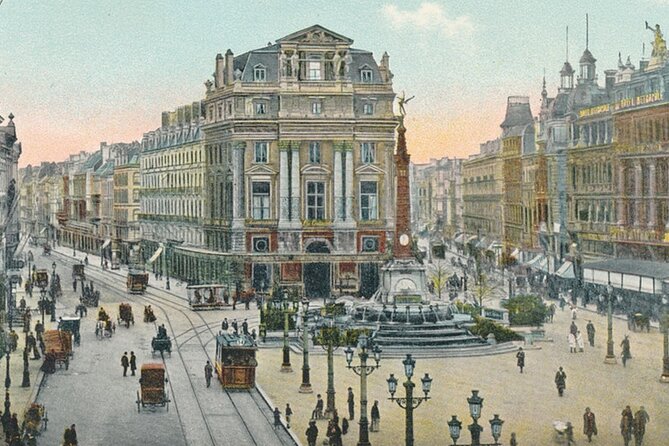
The second stop remains on Rue de l’Amigo, at the corner where the hotel À la Ville de Courtrai once stood. Here, the story shifts to a well-known crime of passion.
Having two stops on the same street may sound repetitive on paper, but it lets the guide show how one small part of Brussels can hold several layers of history. The location becomes more than a backdrop. It connects private emotion, public scandal, and the urban life of a central neighborhood.
This section lasts about 15 minutes. That extra time suggests a fuller account, and a crime of passion usually raises questions about motive, relationships, and the social pressures surrounding the people involved. The guide’s emphasis on the period’s customs should make the case more useful than a simple retelling.
I would expect this to be one of the more personal stories on the route. It may also be one of the more uncomfortable, since violent crimes connected to jealousy or obsession can feel especially close to modern life. The guide’s respectful approach helps, but the content is still serious.
Something different, still within reach of Brussels:
- Choco-Story Brussels: Chocolate Museum Entrance with Tasting
★ 4.3 · 4,883 reviews - Bruges and Ghent – Belgium’s Fairytale Cities – from Brussels
★ 4.0 · 4,809 reviews - Brussels: Hop-On Hop-Off Bus Tour
★ 4.0 · 4,016 reviews - Brussels: Guided Walking Tour
★ 4.6 · 3,560 reviews
Le Coin du Diable and a 17th-century legend
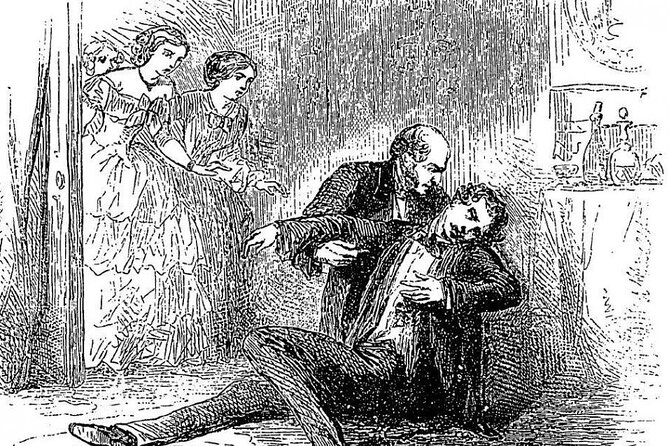
The third stop is Le Coin du Diable, or the Devil’s Corner. This story reaches back to the 17th century and is described as a famous local legend.
This is the point where the tour appears to move from documented criminal cases into the world of folklore. That change can be refreshing. It gives you a break from accounts of real violence while showing how Brussels used ominous places and stories to explain danger, misfortune, or behavior that people did not understand.
The stop lasts about 15 minutes. The key question for you is how much you enjoy legend alongside fact. If you want only court cases and police records, this may feel less solid than the other stops. If you enjoy seeing how old cities create stories around particular corners, it adds welcome variety.
The guide’s stated commitment to staying faithful to facts should also help keep the legend in its proper place. You can hear the story without confusing it with the documented cases elsewhere on the route. That distinction is important on a crime walk, where atmosphere can easily blur fact and fiction.
Place Saint-Géry and three deaths
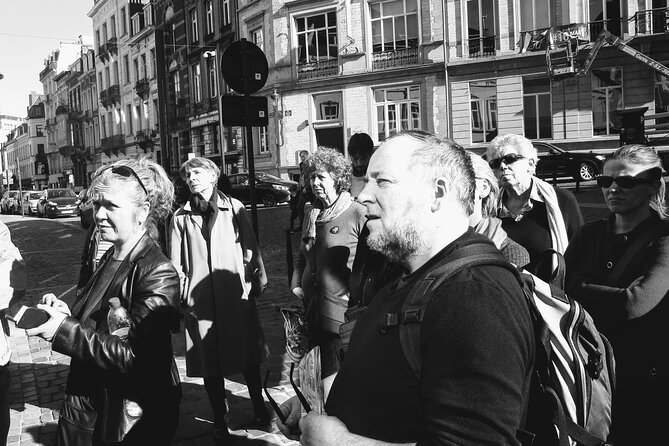
The fourth stop takes you to Place Saint-Géry, where a particularly atrocious 19th-century crime left three people dead. The case fascinated Brussels at the time, and it is described as one of the most striking episodes on the walk.
This is likely the emotional center of the tour. The number of victims and the public reaction give the story a wider reach than a private crime. You are not only hearing what happened at one place. You are also learning how a city processed a shocking event, how news traveled, and how public fascination shaped the memory of crime.
The stop lasts about 15 minutes. That allows the guide to explain the event, its setting, and the response around it. You may find this story the most disturbing, so keep the tone of the whole tour in mind before booking. The walk does not soften its subject matter, even though it presents the people involved with care.
Ending the tour in this area also makes practical sense. You finish at Place Saint-Géry 1, in the center of the square, with Brussels still around you rather than at a distant meeting point. The contrast can be striking: after two hours of dark stories, you step back into an active city neighborhood.
Place du Jardin aux Fleurs and the strange final motive
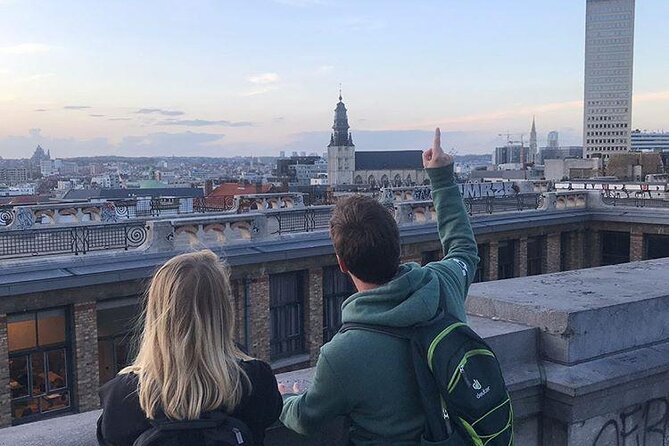
The final listed stop is Place du Jardin aux Fleurs. The case here involves a villainous crime committed for unusually strange loot.
That unusual motive gives the ending a different flavor. After stories tied to passion, violence, and public horror, this case appears to add an element of oddity. It may be the kind of tale you remember because the reason behind the crime seems so out of proportion to the act itself.
The stop lasts about 15 minutes, enough time for the guide to explain the circumstances without turning the story into a rushed punch line. The wording suggests that the case has an eccentric edge, but you should not mistake that for a lighthearted finale. The wider tour remains grounded in real suffering and criminal behavior.
This is also where the route finishes, at Place Saint-Géry. If you prefer tours that return to their starting point, note the one-way format. If you like ending in a central square with options for your next activity, the finish is convenient.
The guide’s style and the value of context
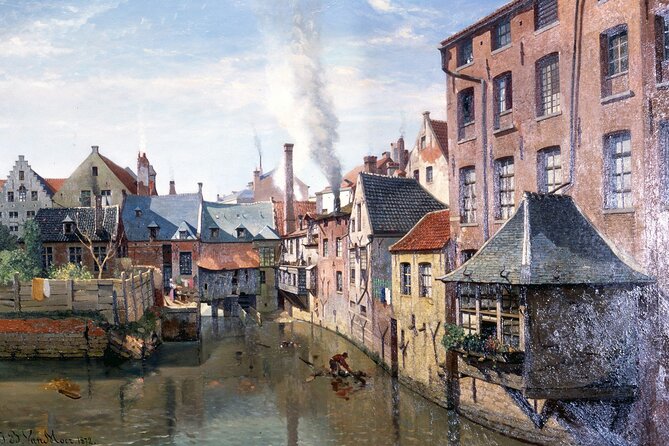
The strongest feature of this experience is the guide’s ability to hold attention while explaining the period around each case. Feedback describes the guide as sympathetic, professional, and able to add historical context instead of merely reciting crime scenes.
That distinction is important. A guide can make even a famous case feel flat by reading out names and dates. Here, the added explanation of Brussels society and customs gives you a reason to care about how people behaved and how institutions responded.
The tour also brings police into the story. You learn about the people of Brussels, the police, and the customs of different eras. That wider frame helps you understand crime as part of civic life, not just as a series of sensational incidents.
The presentation does not appear to rely heavily on theatrical acting. One piece of feedback suggested adding costumes and more audience interaction, which tells you what to expect: the guide aims to captivate through storytelling and facts rather than staged performances.
For many people, that is an advantage. A serious subject benefits from a calm voice and clear information. If you want role-play, props, or a guide acting out each scene, you may wish the tour were more playful. If you prefer a professional account, the current style should suit you.
Is $23.26 good value for two hours?
At $23.26 per person, the tour is reasonably priced for a two-hour guided walk in central Brussels. You are paying for the guide’s preparation, storytelling, and local framing rather than for entry to a museum or a paid site. All fees and taxes are included.
The value depends on what you want from a city tour. If you already know Brussels well and want a fresh angle, this route gives familiar places a different meaning. If this is your first visit and you have limited time, it also adds local stories to the Grand Place and Saint-Géry area without taking up half a day.
The price is less attractive if you dislike crime stories or prefer a broad overview of Brussels. This is a specialized walk, not a general introduction to the city’s art, architecture, food, or political history.
The average booking point is 12 days before the experience. That suggests you should reserve ahead if your schedule is fixed, especially since the group may include up to 25 people. A group of that size can still work well, but you may want to stay close to the guide so you do not miss details in busy central streets.
Who should book this walking tour?
I would recommend this experience to adults who enjoy urban history, police cases, local legends, and stories that explain how society works. It is particularly suitable if you have already seen the Grand Place and want to look at central Brussels from a less polished angle.
It may also suit repeat visitors. The route uses well-known central locations, but the guide turns them into stages for stories that are easy to miss in a standard sightseeing day.
Families should use their judgment. The tour allows most people to participate, and service animals are allowed, but the material includes violence, death, and disturbing events. The supplied information does not give a minimum age, so you should decide based on the child’s comfort with serious crime stories.
The tour is also practical for anyone who wants a short activity. Two hours is long enough for several cases but short enough to fit around lunch, a museum visit, or evening plans. Since it begins and ends in central Brussels, you can connect it easily with other time in the city.
Free cancellation is available if you cancel at least 24 hours before the start time. Cancellations or changes made later are not accepted for a refund, and all cut-off times use local Brussels time.
Should you book Brussels Crime Scenes?
Book it if you want a focused, fact-based walking tour that shows Brussels through real crimes, public reaction, police work, and changing social customs. The strongest reason to go is the guide’s contextual storytelling, backed by a route that moves from Rue de l’Amigo to Le Coin du Diable, Saint-Géry, and the Jardin aux Fleurs.
Skip it if violent stories make you uncomfortable or if you want costumes and active audience participation. At $23.26, the tour offers good value for a specialized two-hour experience, especially for repeat visitors and anyone who likes seeing familiar streets in a new light.
FAQ
How long does the Brussels Crime Scenes tour last?
The tour lasts approximately two hours.
Where does the tour begin?
It begins at Rue de l’Etuve 1, 1000 Brussels, Belgium.
Where does the tour end?
It ends at Place Saint-Géry 1, 1000 Brussels, Belgium, in the center of Place Saint-Géry.
How much does the tour cost?
The listed price is $23.26 per person.
How many people can join the tour?
The maximum group size is 25 people.
Can I cancel for a full refund?
Yes. You can cancel for a full refund up to 24 hours before the experience starts. Changes or cancellations made less than 24 hours before the start time are not accepted for a refund.
Just added around Brussels
- Discover the secrets of Brussels while playing★ 5.0 · 3 reviews
- Standard vehicle from Charleroi airport to city of Brussels★ 4.5 · 3 reviews
- Full day Brugge & Ghent: the gems of Flanders★ 5.0 · 3 reviews
- Private tour : Best of Brussels half day From Brussels★ 5.0 · 3 reviews
- Private Tour – Bruges and Ghent, our fairytale cities★ 5.0 · 3 reviews
- Floating in the clouds★ 5.0 · 3 reviews
- Full-Day City Tour of Ghent and Bruges from Brussels★ 4.5 · 3 reviews
- Brussels Private Walking Tour With A Professional Guide★ 4.5 · 3 reviews
Guided, compared.
Small Group Boat Cruise and Guided Walking Tour
Read our review →
Choco-Story Chocolate Museum Guided Tour w/Tastings
Read our review →
Browse the lists this tour appears in