
Reviewed · GHENT TOURS
Small Group Liège to Aachen to Maastricht Border Crossing Tour
Three countries, one very long day. This tour links Liège, Aachen, and Maastricht in a compact cross-border journey from Ghent, with a maximum of eight people and pickup offered. I like the mix of famous sights and easy walking time, especially Liège-Guillemins Station and Aachen Cathedral. I also like the personal touch associated with guide Joris, including coffee, snacks, and a relaxed pace when the group needs a quiet ride.
The main drawback is simple: this is an ambitious outing. With 11 to 13 hours on the road, you will spend a fair amount of time in the vehicle, and the time in each city is fairly short. At $480.71 per person, it makes the most sense if you value private-style transport, a small group, and seeing three distinct places in one day more than you value slow, in-depth sightseeing.
In This Review
- Key Points Before You Book
- Why This Cross-Border Day Is Interesting
- Leaving Ghent for Liège-Guillemins
- A Quiet Half Hour at Parc de la Boverie
- The Three-Country Point and Lunch
- Aachen: A Short Walk Through Imperial Europe
- Maastricht Along the Maas River
- The Basilica of Saint Servatius
- The Guide and Small-Group Experience
- Is $480.71 a Fair Price?
- Practical Details That Matter
- Should You Book This Tour?
- FAQ
- Where does the tour start?
- How long does the experience last?
- How many people can join the tour?
- Which cities and countries are included?
- Is the tour offered in English?
- Are meals included?
- Can I cancel for a full refund?
Key Points Before You Book
- Three countries in one day: Visit Belgium, Germany, and the Netherlands without arranging separate trains or cars.
- Small group of up to eight: A compact group allows for a more personal day and easier conversation with the guide.
- Start at 8:00 am: The early departure helps fit Liège, the Three-Country Point, Aachen, and Maastricht into one outing.
- Architecture is a major theme: See the futuristic Liège-Guillemins station, Aachen Cathedral, and Maastricht’s medieval bridge and basilica.
- Meals are built into the rhythm: You have lunch at the border point and dinner in Maastricht, with your choice of where to eat lunch.
- A guide-led experience: Joris is praised for local knowledge, good timing, friendly hosting, and adjusting his conversation to the group.
Why This Cross-Border Day Is Interesting
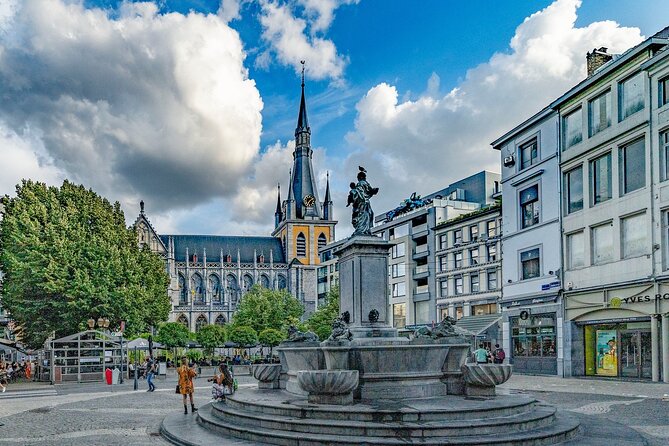
Belgium, Germany, and the Netherlands meet within a small area of western Europe, but the three cities feel different. Liège has a strong industrial and contemporary character. Aachen carries the weight of imperial and religious history. Maastricht feels more leisurely, with cobbled streets, cafes, shops, and river views.
I like the concept because it gives you contrast rather than one more standard city tour. You are not simply checking off three old towns. You are moving between languages, food traditions, architecture, and national borders. The Three-Country Point adds a geographic hook that helps tie the whole day together.
Still, keep your expectations sensible. The schedule gives you snapshots, not full city visits. You will see key areas and hear context, but you will not have hours to explore every museum, church interior, or side street.
A few more trips and experiences worth a look
- Ghent: 50-Minute Medieval Center Guided Boat Trip
★ 4.5 · 5,637 reviews - Historical Walking Tour: Legends of Gent
★ 5.0 · 1,761 reviews - Ghent: 40 Minute Medieval Center Guided Boat Tour
★ 4.4 · 884 reviews
Leaving Ghent for Liège-Guillemins
Pickup is offered, with the live location shared through WhatsApp during pickup. The listed start time is 8:00 am, so have your phone ready and be prepared for an early morning. Transport from your hotel to Liège-Guillemins is included in the day’s plan.
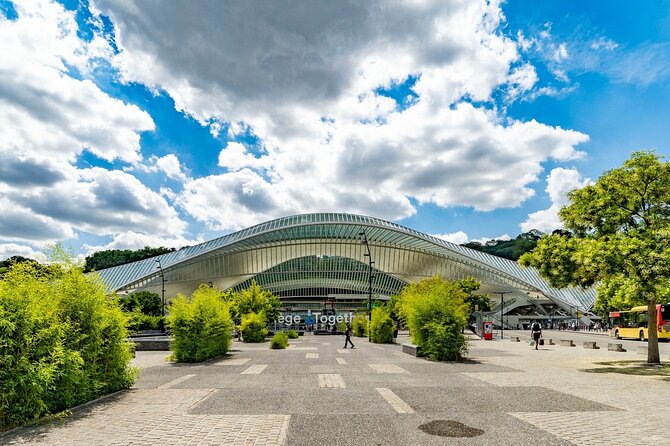
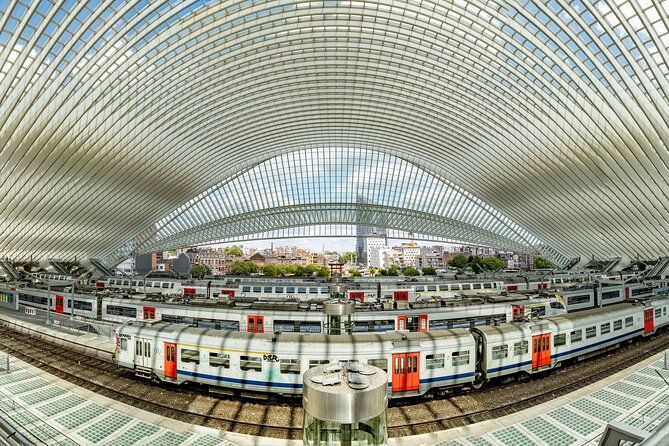
The first major stop is the station itself. Liège-Guillemins is far more than a place to catch a train. Designed by Spanish architect Santiago Calatrava, it uses sweeping steel and glass to create a huge, flowing roof over the platforms. Natural light filters through the structure, and the open design gives the station a futuristic feel.
You get about 30 minutes to see it, after roughly two hours of transport from Ghent. That short stop works well for photographs and a quick look at the architecture. It is also a practical introduction to Liège, a city where modern design sits close to older streets and buildings.
The tradeoff is that you do not get much time in central Liège itself. The itinerary mentions the Carré district in the wider description, but the scheduled sightseeing focuses on the station and Parc de la Boverie. If your main goal is Liège’s cafes, shopping streets, or museums, you may want a separate visit.
A Quiet Half Hour at Parc de la Boverie
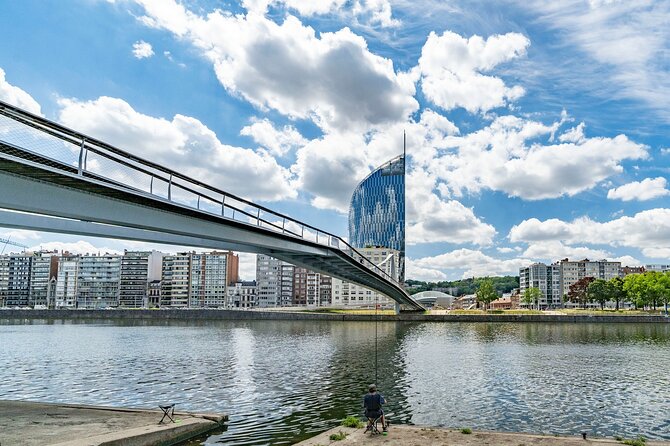
Parc de la Boverie offers a change of pace after the station. The park runs beside the Meuse River and gives you room to walk, pause, and take in the setting. Lawns, statues, water features, and mature greenery create a calmer scene than the railway station.
You have about 30 minutes here. That is enough for a pleasant stroll and a few photographs, but not enough for a detailed museum visit. The Boverie Palace houses an art museum with classical and contemporary works, yet no admission is listed and the schedule does not provide time for a full look inside.
I see this stop as a useful breather rather than a headline attraction. The day includes several urban centers and long drives, so a short park walk helps keep the pace from becoming a string of vehicle transfers and church interiors.
The Three-Country Point and Lunch
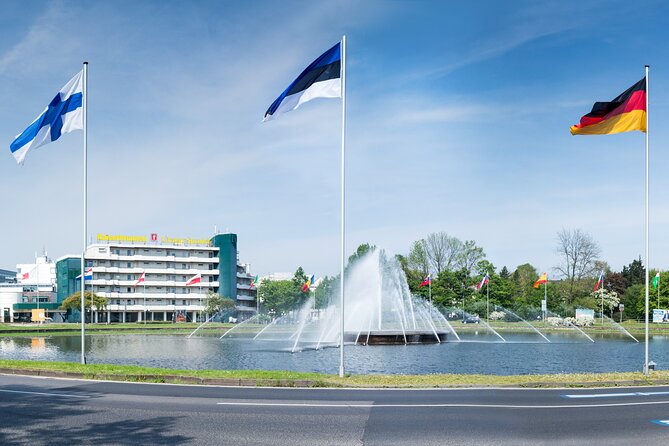
From Liège, transport to Drielandenpunt, the Three-Country Point, takes about an hour. Here Belgium, Germany, and the Netherlands meet. You can look across the border area and experience the unusual feeling of placing yourself at a geographic meeting point shared by three nations.
This is one of the most distinctive parts of the day. Many European tours move between countries, but few pause at a location where three national boundaries come together in one visit. It gives you an easy way to understand the region’s geography, especially if you enjoy maps, borders, and the practical quirks of European travel.
Lunch takes place at the Three-Country Point and you choose which country you want to eat in. That small decision adds a playful element to the stop. The supplied information does not specify a particular restaurant or state that lunch is included in the price, so you should treat the meal as your own choice and expense unless the operator tells you otherwise.
You have about one hour here, including lunch. That should feel less rushed than the city walks, though the stop is still part of a tightly timed day.
Something different, still within reach of Ghent:
- Evening Tour of the Dark Side of Gent
★ 5.0 · 646 reviews - Ghent Bike Tour Off-the-beaten-track
★ 5.0 · 505 reviews - Ghent: 40-Minute Historical Boat Tour of City Center
★ 4.3 · 430 reviews - Ghent: Guided Urban Bike Tour
★ 4.9 · 297 reviews
Aachen: A Short Walk Through Imperial Europe
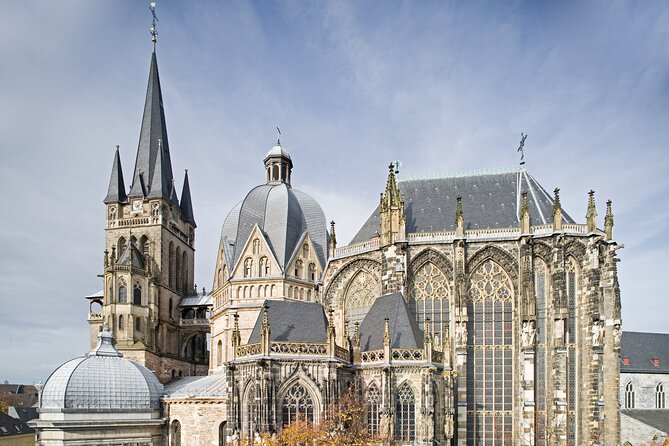
The drive from the Three-Country Point to Aachen takes about 30 minutes. Aachen’s center has a compact feel, with cafes, small shops, markets, and historic buildings arranged for easy walking. The city has an academic side and a lively public atmosphere, but the schedule gives you only about 30 minutes for the general city walk.
That short stroll is best used to get your bearings and absorb the character of the center. You may see attractive streets and local shops, but you will not have much time for browsing. The annual Christmas market is mentioned as a major seasonal tradition, though the tour does not promise a market visit, so its relevance depends on your travel date.
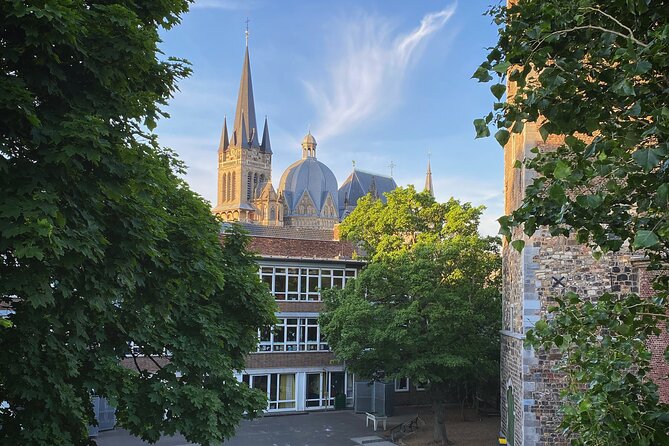
The main Aachen sight is the cathedral. Aachen Cathedral, also called the Aachener Dom, is the architectural anchor of the city. Its Palatine Chapel is linked to Charlemagne and is a UNESCO World Heritage site, making this more than a quick photo stop. It is one of the places where the historical importance of the region becomes clear.
The scheduled cathedral visit lasts about 30 minutes. That is enough for a focused look, but not a leisurely examination of every detail. If religious architecture matters to you, this may be the moment when you wish the schedule allowed more time.
Maastricht Along the Maas River
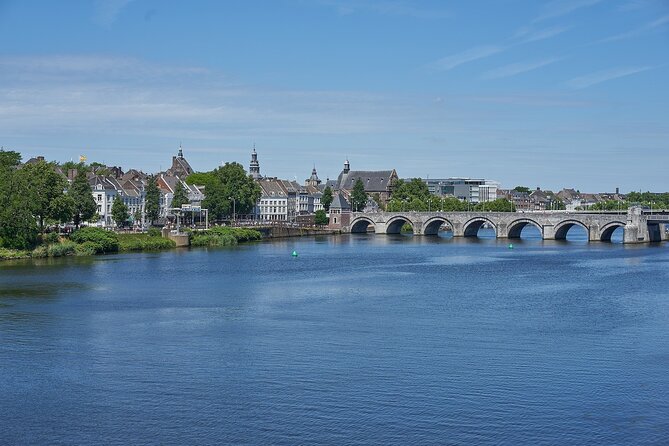
The journey to Maastricht takes about 40 minutes. The city’s Sint Servaas Bridge provides a natural introduction. Dating from the 13th century, the stone bridge crosses the Maas River and connects the old town with the newer side of Maastricht.
The bridge is both scenic and practical. You can look along the river, photograph its arches, and begin the city walk from a clear landmark. It also gives the tour a nice visual shift from Aachen’s cathedral quarter to Maastricht’s waterside setting.
The central Maastricht walk lasts about 30 minutes. You can expect cobbled streets, cafes, boutiques, and old buildings. Maastricht has a softer, more relaxed feel than Liège, and the compact center is easy to appreciate even during a brief visit.
Food is part of the appeal here. Regional specialties include Limburgse vlaai, a fruit-filled pastry, and zoervleis, a sweet and sour stew. Locally brewed beer and wine are also part of the local table. The tour includes a one-hour dinner stop, but the supplied details do not identify the restaurant or confirm that dinner is covered by the price.
The Basilica of Saint Servatius
The Basilica of Saint Servatius is another scheduled 30-minute stop in Maastricht. Its age, religious importance, and architectural detail give the city walk a strong historical center. Even if you are not deeply interested in church interiors, the basilica helps explain why Maastricht has long been an important place for worship and pilgrimage.
The time is enough for a meaningful visit if you keep moving, but it is not a full architectural study. You may want to ask the guide which features deserve the most attention. A good guide can make a short church visit far more useful by pointing out details you might otherwise miss.
This is also where the tour’s balance works well. You get the grand scale of Aachen Cathedral, then a different religious setting in Maastricht. The two buildings help you compare the cities instead of treating them as interchangeable historic stops.
The Guide and Small-Group Experience
The group limit is eight people, which is a real advantage on a day with this many moving parts. A smaller group usually means less time gathering people, easier questions during walks, and a more social ride between stops.
Joris is the guide most closely associated with the experience. His strongest qualities are his friendly manner, local understanding, and ability to read the group. The guiding style described for him is flexible: when people want to talk, he joins in; when they need quiet, he lets the drive be restful.
That matters on an 11 to 13-hour day. A guide who fills every minute with facts can make a long outing tiring. Joris is also praised for knowing useful local spots and for sharing practical touches such as early coffee, snacks, and meals along the route. Ask in advance what food and drinks are included, since the published details do not clearly define the meal arrangements.
The tour is offered in English. Most people can participate, and the information says everyone can take part. No special mobility details are provided, so if you have specific walking or access needs, contact the operator before booking.
Is $480.71 a Fair Price?
At $480.71 per person, this is not a budget sightseeing day. The price needs to be judged against what you are buying: pickup, transport between four major areas, an English-speaking guide, a group capped at eight, and the convenience of crossing three countries without planning the connections yourself.
I see the value if you are based in Ghent and want a single, organized day covering places that would be awkward to combine independently. You avoid juggling train timetables, border routes, parking, and restaurant decisions. The small group also gives the day a more personal feel than a large coach excursion.
The value is weaker if you prefer slow travel. You could spend a full day in Aachen or Maastricht and see more by exploring independently. You also need to budget for lunch and dinner unless the operator confirms they are included.
The perfect customer is someone with limited time, a strong interest in architecture and European borders, and a preference for door-to-door convenience. Families may appreciate the organized route and the guide’s flexible manner. It is less suited to anyone who dislikes long drives or wants extensive museum time.
Practical Details That Matter
The advertised duration is approximately 11 to 13 hours, and travel time counts toward that total. That means you should plan for a full day from the 8:00 am pickup until the return to your hotel in Ghent.
Wear comfortable shoes. The city portions are short, but you will walk around stations, parks, historic centers, bridges, and basilicas. Bring a charged phone because pickup information is shared through WhatsApp.
The tour is mobile-ticket friendly and offered in English. Confirmation arrives at booking. Free cancellation is available if you cancel at least 24 hours before the local start time. Changes or cancellations inside that window are not refunded, and the tour requires a minimum number of participants, so a cancellation caused by low numbers may result in another date, another experience, or a full refund.
The experience has a five-star rating from 26 reviews, with 100 percent recommending it. The most consistent praise goes to the guide, the organization, the variety of sights, and the balance between conversation and quiet time.
Should You Book This Tour?
Book it if you want three countries, three city centers, and several major sights in one carefully arranged day. The Three-Country Point is the unusual centerpiece, while Liège-Guillemins Station, Aachen Cathedral, the Sint Servaas Bridge, and Saint Servatius Basilica give the route plenty of visual and historical interest.
Skip it if your ideal day means lingering over lunch, entering several museums, or spending hours in one old town. The schedule is efficient, but it is not leisurely.
For the right person, this tour offers a memorable regional overview and a friendly guide-led day without the stress of organizing every connection. Just accept the long hours, confirm what meals cost, and book at least 24 hours before departure if your plans might change.
FAQ
Where does the tour start?
The tour starts with pickup in Ghent at approximately 8:00 am. Live pickup location details are shared through WhatsApp.
How long does the experience last?
The total duration is approximately 11 to 13 hours, including travel time.
How many people can join the tour?
The maximum group size is eight travelers.
Which cities and countries are included?
The route includes Liège in Belgium, Aachen in Germany, and Maastricht in the Netherlands. It also visits the Three-Country Point where Belgium, Germany, and the Netherlands meet.
Is the tour offered in English?
Yes. The experience is offered in English.
Are meals included?
The schedule includes time for lunch at the Three-Country Point and dinner in Maastricht, but the provided details do not confirm that either meal is included in the tour price.
Can I cancel for a full refund?
Yes, if you cancel at least 24 hours before the local start time. Cancellations or changes made less than 24 hours in advance are not refunded.
Just added around Ghent
- Ghent Running and Sightseeing Tour★ 5.0 · 3 reviews
- Ghent: Walking Tour from Friday Market to the Cathedral★ 4.8 · 3 reviews
- Ghent Walking Tour – City Highlights and Beyond Tradition★ 4.5 · 3 reviews
- Ghent: City Walk with Audio Guide in 7 Languages on your Phone★ 4.5 · 3 reviews
- Children’s escape game in the city of Ghent Marsupilami★ 5.0 · 3 reviews
- Discover Ghent while playing! Escape game – The Walter case★ 4.5 · 4 reviews
- Discover Ghent while playing! Escape game – The alchemist★ 4.0 · 4 reviews
- e-Scavenger hunt Mons: Explore the city at your own pace★ 5.0 · 4 reviews
Ghent Tours, compared.
Browse the lists this tour appears in