

Reviewed · MUSEUMS
Brussels: Museum Art & History Entry Ticket
Ancient worlds wait behind a Brussels arch. I like the model of ancient Rome, which gives you a clear sense of the city’s scale, and the museum’s journey from prehistoric objects to art nouveau. I also like that a museum visit can end with a simple picnic in Cinquantenaire Park. The main drawback is size: you could spend a full day here and still need to skip sections, while the $11 ticket may not be the best choice if you already have a museum pass.
This is a self-guided museum visit rather than a guided tour. You move at your own pace through collections from Belgium, Europe, Egypt, Greece, Rome, Asia, India, China, the Islamic world, and the Americas. The building is easy to reach by public transport, but remember that the entrance is on the far side from Autoworld, so you need to walk around the building and follow the signs.
In This Review
- Key things to know before you go
- Entering the Museum at Cinquantenaire
- Start with Prehistory and Belgian Archaeology
- Meet Egypt’s Mummies and Ancient Gods
- Picture Greece and Rome Through Objects and Scale
- Follow European Decorative Arts From the 10th Century
- Cross Asia, India, China, and the Islamic World
- Make the Museum a One-Day Visit, Not a Race
- Why Cinquantenaire Park Improves the Visit
- Is $11 Good Value in Brussels?
- Who Should Buy This Museum Ticket?
- Practical Arrival Advice
- Should You Book the Brussels Art and History Museum?
- FAQ
- How long is the museum ticket valid?
- How much does admission cost?
- Where is the entrance?
- How do I reach the museum by public transport?
- Is the museum wheelchair accessible?
- Can I take photographs inside?
Key things to know before you go
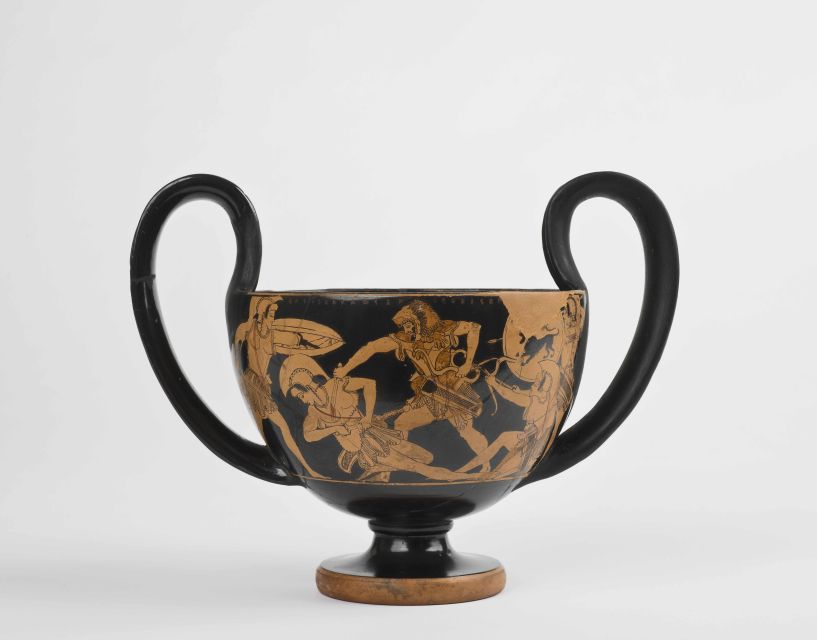
- See the Roman world in miniature: The model of Roma is one of the museum’s most memorable ways to picture ancient Rome.
- Follow a long timeline: The collections begin with the birth of mankind and continue through the early 20th century.
- Look beyond Europe: Asian Buddhas, Islamic art, Indian objects, Chinese treasures, and American collections broaden the visit.
- Plan time for the Egyptian section: Mummies and ancient Egyptian objects add a darker, more mysterious note.
- Use the park as part of the visit: Cinquantenaire Park gives you a pleasant place to pause, eat, and sort out what you have seen.
- Check your ticket value: Entry costs $11, but a museum pass holder may find a separate ticket unnecessary.
Entering the Museum at Cinquantenaire
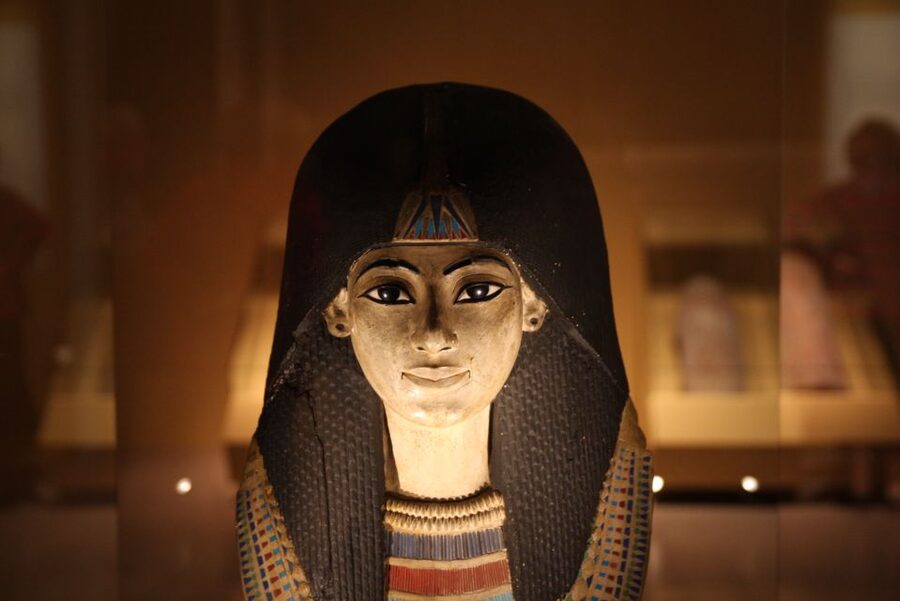
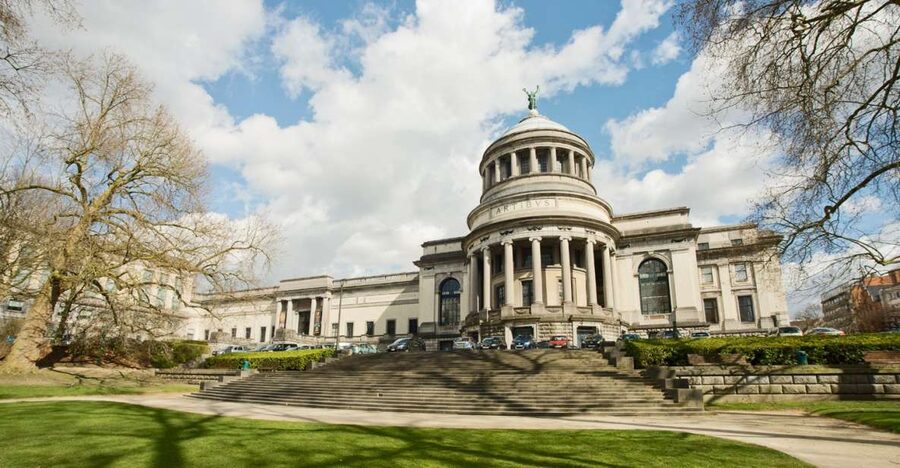
The Royal Museum of Art and History occupies a grand classical building in Parc du Cinquantenaire. Its setting helps prepare you for a large collection rather than a quick stop. You are not walking into a small gallery with a single theme. You are entering a museum designed to connect civilizations, periods, materials, and styles.
The entrance location deserves attention. It is not next to Autoworld, the nearby automobile museum. You need to walk around the corner to the other side of the building and follow the museum signs. This is a small detail, but it can save time, especially if you arrive with children, limited mobility, or a tight Brussels schedule.
The museum is wheelchair accessible. The ticket is valid for one day, and skip-the-ticket-line access makes the $11 price more practical when you want to begin exploring without spending extra time at the entry desk. You can also cancel up to 24 hours ahead for a full refund and reserve now while paying later, which helps if your Brussels plans are still shifting.
More Museums in Brussels
- Brussels: Atomium Entry Ticket with Design Museum Ticket
★ 4.4 · 9,254 reviews - Choco-Story Brussels: Chocolate Museum Entrance with Tasting
★ 4.3 · 4,883 reviews - Brussels: Autoworld Museum Ticket
★ 4.7 · 1,301 reviews
Start with Prehistory and Belgian Archaeology
The museum’s story begins before written records. The national archaeology section covers prehistory and the early development of human societies. This gives you a useful starting point because later galleries make more sense when you have first seen how tools, objects, and artistic forms developed over time.
The Belgian collections are especially useful for grounding the visit in the country you are visiting. Brussels can sometimes feel like a crossroads of European languages and cultures, and this section gives you a physical sense of Belgium’s earlier communities and material culture.
I would not rush through these rooms simply to reach Egypt or Rome. Prehistoric objects may look plain compared with carved statues or painted decoration, but they explain how people worked, worshipped, traveled, and organized daily life. If you are visiting with children, this part can also make the museum feel like a story that begins at the very beginning rather than a pile of unrelated displays.
The drawback is that the museum covers so many periods that you may need to make choices. If early archaeology is not your main interest, give yourself a reasonable time limit here and save energy for the sections you most want to see.
Meet Egypt’s Mummies and Ancient Gods
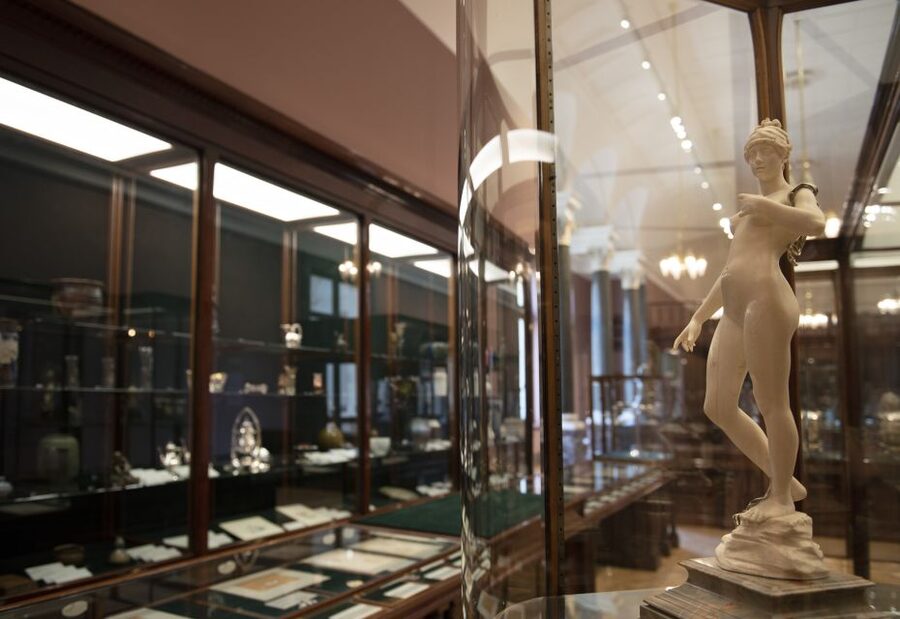
Ancient Egypt provides some of the museum’s most immediately recognizable objects. The mummies bring a human presence to the collection, while the wider Egyptian displays help explain beliefs about death, the body, and the afterlife.
The phrase curse of the Egyptian mummies adds a little drama, but the real value is quieter. You are seeing how a civilization used art and ritual to deal with questions that still matter: What happens after death? How should the dead be remembered? What does a well-prepared burial say about family, status, and faith?
Take time to look at the details rather than treating the Egyptian rooms as a quick photo stop. Small objects can tell you as much as large statues. The collection is part of a wider chronological route, so you can compare Egyptian ideas with the Greek and Roman material that follows.
Flash photography is not allowed. That rule protects the objects and keeps the museum calmer, but you should remember it before reaching for your phone. You can still record the visit in your memory, notes, or non-flash photographs where permitted.
Picture Greece and Rome Through Objects and Scale
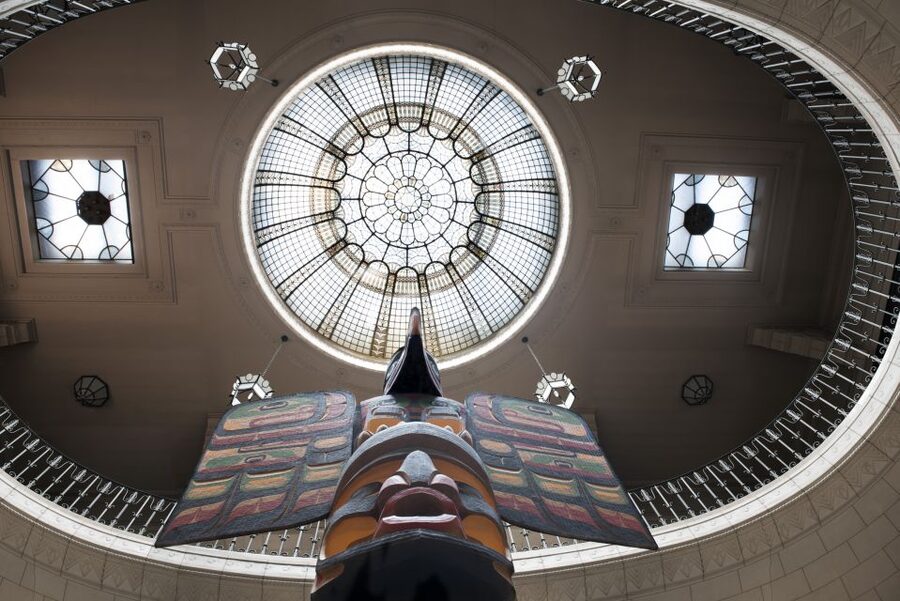
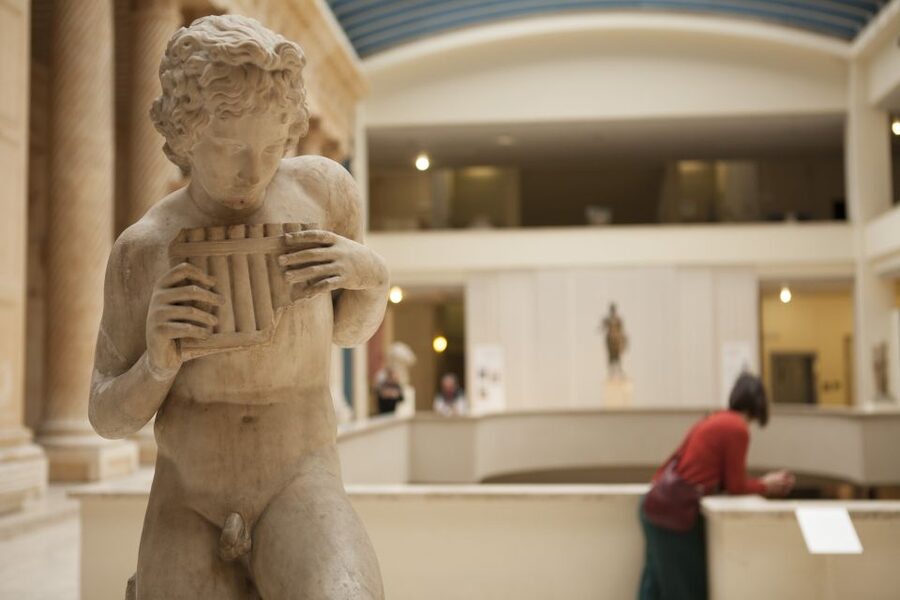
The Greek and Roman sections move the visit into the classical world. Here, the museum’s model of Roma deserves special attention. It gives you an overview of ancient Rome in a way that individual statues and fragments cannot.
A city model helps you understand scale, density, and urban planning. Instead of seeing Rome as a collection of famous monuments, you can picture it as a working city filled with streets, buildings, public spaces, and homes. That makes the Roman collection more useful for anyone who has already seen Roman ruins, as well as anyone who has never visited Italy.
The Greek and Roman galleries also show how ideas and artistic styles traveled around the Mediterranean. You might notice repeated subjects, familiar body positions, or related decorative patterns. The museum does not force you into a single narrow national story. It lets you compare cultures and see connections across the ancient world.
This section is likely to appeal to families because the model of Roma offers an easy focal point. It can also help younger visitors understand that ancient cities were real places where people lived, worked, argued, worshipped, and played, not just names from a history lesson.
Something different, still within reach of Brussels:
- From Brussels: Guided Day Trip to Bruges and Ghent
★ 4.6 · 8,353 reviews - From Brussels: Bruges & Ghent Day Tour – 2 Fairytale Cities
★ 4.7 · 8,242 reviews - Bruges and Ghent – Belgium’s Fairytale Cities – from Brussels
★ 4.0 · 4,809 reviews - Brussels: Hop-On Hop-Off Bus Tour
★ 4.0 · 4,016 reviews
Follow European Decorative Arts From the 10th Century
The European decorative arts section covers the 10th through the 20th century. This is where the visit shifts from ancient archaeology toward objects shaped for homes, churches, courts, and public life.
Decorative arts reward patience. A painting can grab your attention from across a room, but furniture, metalwork, ceramics, textiles, and other crafted objects often require you to move closer. Look for changes in materials, patterns, decoration, and function as you move through the centuries.
This part also helps explain how European taste changed. Objects can reveal wealth and social rank, but they can also show practical needs and changing technology. You may find that a room becomes more interesting when you ask not only how an object looks, but who used it and why it was made.
The collection continues into art nouveau and art deco from the early 20th century. These styles make a natural final chapter for the European sequence. After ancient sculpture, medieval objects, and later decorative work, the early modern designs can feel lighter, sharper, and more familiar.
If art nouveau is your main reason for visiting, check the route carefully and allow enough time at the end. The museum is not presented as a single-style showcase, so you will be moving through many other periods before reaching those early 20th-century rooms.
Cross Asia, India, China, and the Islamic World
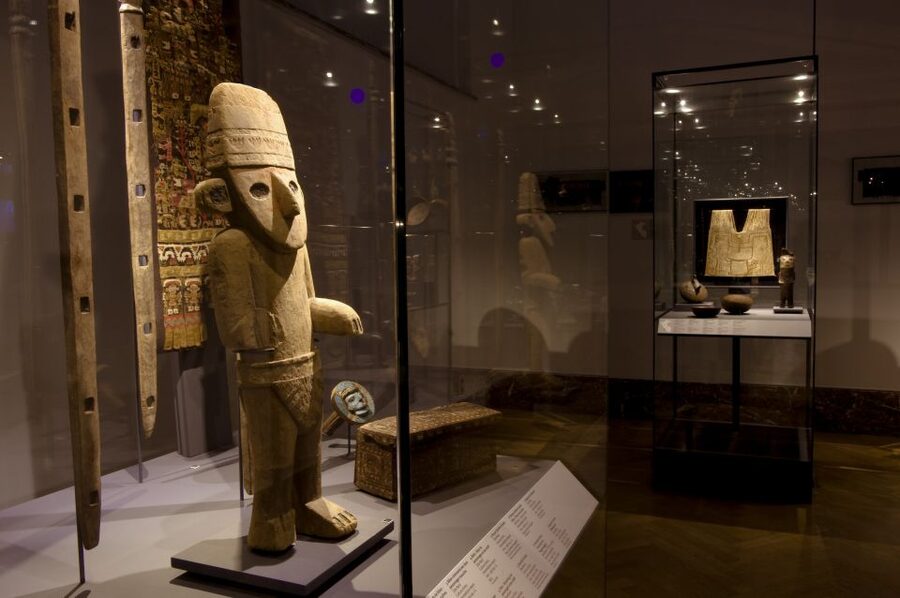
The non-European collections prevent the museum from becoming only a European timeline. You can move into the Islamic world, India, China, and other Asian collections, where religious objects, sculpture, decorative arts, and visual traditions offer a different set of ideas.
The Asian galleries are particularly useful after the European sections because comparison becomes part of the experience. Asian Buddhas provide a memorable visual point, but try not to reduce the section to one familiar symbol. The broader collection gives you a chance to notice different approaches to the human figure, sacred space, decoration, and storytelling.
The Islamic world section adds another major cultural area to the route. Together with the Indian and Chinese material, it shows how art and objects can carry faith, government, trade, scholarship, and daily life across large regions.
You may find these rooms calmer than the headline displays because they are less likely to be the first stop for a short museum visit. That makes them a good place to slow down. The main challenge is attention. After several hours of objects and dates, your concentration may fade, so choose a few rooms to see well rather than trying to absorb every case.
Make the Museum a One-Day Visit, Not a Race
The ticket is valid for one day, but that does not mean you need to stay from opening to closing. It means you have the freedom to break the visit into manageable sections. You can see the ancient collections first, take a pause in the park, and return to European or Asian art if the ticket conditions allow re-entry. The supplied information confirms one-day validity, but it does not specify the re-entry rules, so ask at the entrance before leaving if you plan to come back inside.
I would begin by choosing three priorities. For many people, those might be the model of Roma, the Egyptian galleries, and the Asian collections. Then add Belgian archaeology or European decorative arts depending on your interests.
A sensible route might look like this:
- Begin with prehistory and Belgian archaeology.
- Continue through Egypt, Greece, and Rome.
- Pause before moving into European decorative arts.
- Finish with Asian, Indian, Chinese, or Islamic collections.
- Save art nouveau and art deco for the final European portion if those styles matter most to you.
- End outside with food in Cinquantenaire Park.
This plan gives the museum a shape. Without one, the sheer number of collections can make the visit feel like a long list. With one, you can appreciate the range without feeling that you failed by not seeing every object.
Why Cinquantenaire Park Improves the Visit
The museum’s location is part of its appeal. Cinquantenaire Park gives you room to step away from the galleries and think about what you have seen. An impromptu picnic is not just a convenient food break. It changes the pace from looking closely at objects to sitting outdoors in a monumental Brussels setting.
Bring food if you want a simple lunch between sections, though the supplied information does not list picnic facilities or food services. You should treat the park as an outdoor pause rather than assume that a particular café, table, or service will be available.
This break matters because a large museum can become tiring even when the collections are excellent. I would rather see fewer rooms with fresh attention than hurry through the final galleries while every statue begins to look alike.
Is $11 Good Value in Brussels?
At $11 per person, the ticket is fairly priced for a full day of collections covering several continents and thousands of years. You are paying for range as much as for individual masterpieces. The value is strongest if you enjoy choosing your own route and want one museum to cover archaeology, decorative arts, and international cultures.
The price is less attractive if you already hold a museum pass. One verified booking note came from a visitor who had a museum pass and felt the separate 8 euro payment was unnecessary. The listed price here is $11, so prices may vary by booking channel or date, but the practical lesson is simple: check your pass benefits before buying.
This is also a good rainy-day choice because the museum can occupy much of your day. It offers enough variety for adults with different interests, and the model of Roma, mummies, and Asian Buddhas give families several clear targets.
Who Should Buy This Museum Ticket?
I would recommend it to you if you like history but do not want to stay inside one narrow period. It works especially well for people who enjoy moving between archaeology, religion, design, and world cultures.
Families may appreciate the visual variety. One child may prefer the mummies, another the Roman model, and another the Asian sculpture. The short review from Olga of Peru described the museum as impressive for both adults and children, which matches the collection’s broad appeal.
You should think twice if your Brussels visit is very short and you only want art nouveau. This museum covers that style, but it also asks you to travel through many earlier periods. If your only goal is a fast look at one category, a more focused museum may suit you better.
The same caution applies if you dislike large museums. The one-day ticket gives you flexibility, but it does not remove the need to manage your energy. Pick your priorities, take the park break, and accept that you will not see everything in equal detail.
Practical Arrival Advice
The closest train stations are Merode and Schuman, both within walking distance. Central Station connects by metro to the Art and History Museum. The nearest metro station listed is Schuman.
Bus routes 22, 27, and 80 stop at Galliërs, while bus 61 stops at Merode. Trams 81 and 82 also stop at Merode. If you use public transport, confirm the direction before boarding, then allow time to walk around the building to the correct entrance.
You can reserve while paying later, cancel up to 24 hours before the visit for a full refund, and use the ticket for one day. The museum is wheelchair accessible. Do not use flash photography inside.
Should You Book the Brussels Art and History Museum?
Book it if you want a broad, self-guided journey through Belgium, Europe, Egypt, Rome, Asia, India, China, and the Islamic world for $11. The Roman city model, Egyptian mummies, and wide cultural range give the visit several strong anchors, while Cinquantenaire Park lets you build in a proper break.
Skip it if you already have a museum pass that covers admission, or if your time in Brussels is too limited for a large collection. For everyone else, this is a useful choice on a rainy day or when you want one affordable ticket that connects ancient archaeology with early modern design.
FAQ
How long is the museum ticket valid?
The ticket is valid for one day. Starting times and availability should be checked when booking.
How much does admission cost?
The listed price is $11 per person. A museum pass holder may not need to buy a separate ticket, so check your pass before booking.
Where is the entrance?
The entrance is not next to Autoworld. Walk around the corner to the other side of the building and follow the signs.
How do I reach the museum by public transport?
Merode and Schuman are the nearest train stations. The nearest metro station is Schuman. Buses 22, 27, and 80 stop at Galliërs, bus 61 stops at Merode, and trams 81 and 82 stop at Merode.
Is the museum wheelchair accessible?
Yes, the museum is wheelchair accessible.
Can I take photographs inside?
Flash photography is not allowed.
More Historical Tours in Brussels
- Brussels: Historical Walking Tour with Chocolate & Waffle Tasting
★ 5.0 · 1,165 reviews - Brussels: Historical Tour with Chocolate & Waffle Tasting
★ 4.8 · 642 reviews - Historical Walking Tour: The Story of Brussels – by Legends
★ 5.0 · 164 reviews - Historic Battle of the Bulge Sites Tour from Brussels
★ 5.0 · 31 reviews
Just added around Brussels
- Discover the secrets of Brussels while playing★ 5.0 · 3 reviews
- Standard vehicle from Charleroi airport to city of Brussels★ 4.5 · 3 reviews
- Full day Brugge & Ghent: the gems of Flanders★ 5.0 · 3 reviews
- Private tour : Best of Brussels half day From Brussels★ 5.0 · 3 reviews
- Private Tour – Bruges and Ghent, our fairytale cities★ 5.0 · 3 reviews
- Floating in the clouds★ 5.0 · 3 reviews
- Full-Day City Tour of Ghent and Bruges from Brussels★ 4.5 · 3 reviews
- Brussels Private Walking Tour With A Professional Guide★ 4.5 · 3 reviews
Museums, compared.
Atomium Entry Ticket with Design Museum Ticket
Read our review →
Choco-Story Brussels: Chocolate Museum Entrance with Tasting
Read our review →
Choco-Story Chocolate Museum Guided Tour w/Tastings
Read our review →
2.5-Hour Chocolate Museum Visit with Workshop
Read our review →
The World of Banksy Museum Permanent Exhibition
Read our review →
Browse the lists this tour appears in