
Reviewed · WALKING TOURS
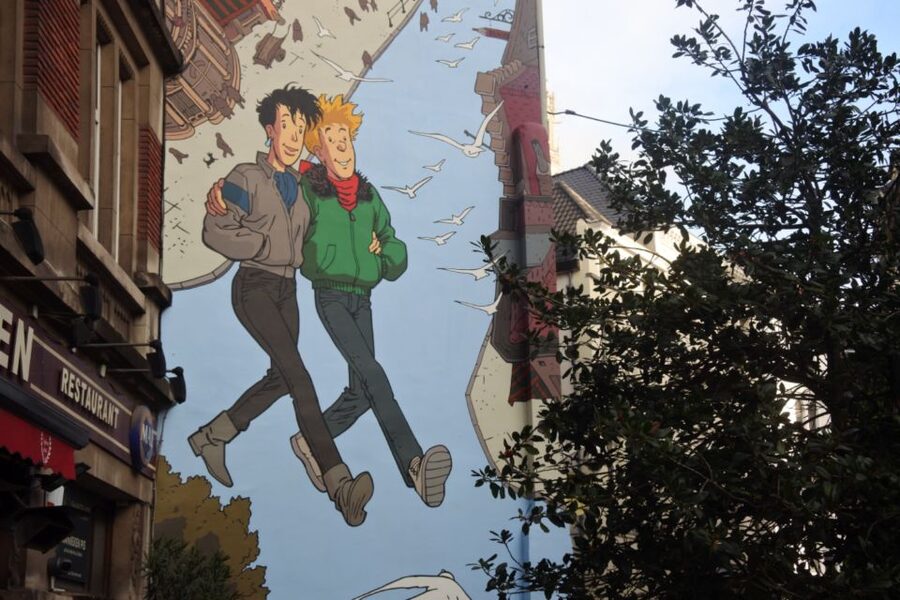
Brussels: The comic book walls walking tour
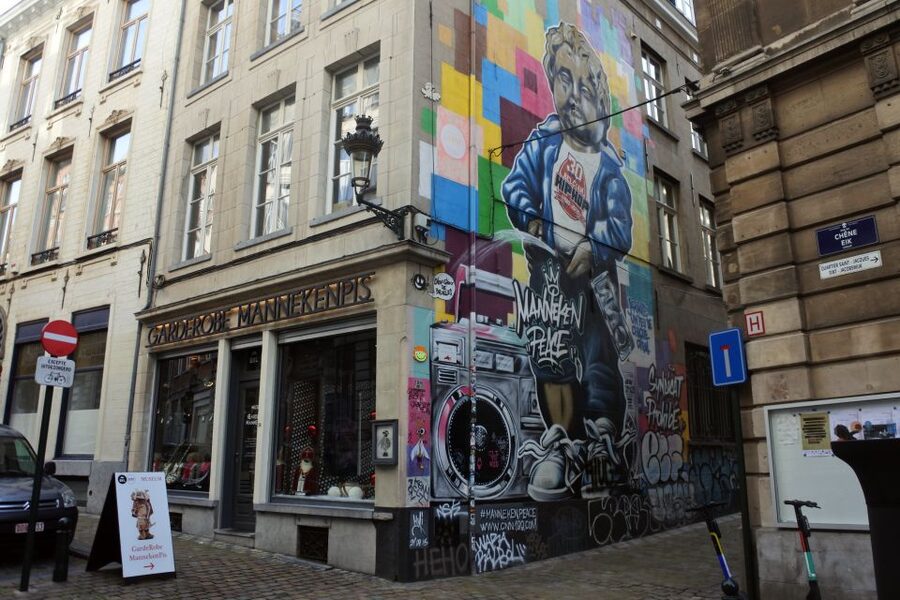
Comics are part of Brussels’ street life. This 150-minute walking tour connects colorful murals with the artists, characters, and drawing traditions behind them, taking you beyond the usual Grand Place circuit. I especially like the focus on the first comic wall from 1991 and the chance to learn about Tintin’s former home before Moulinsart Castle entered the story.
I also like that the guide explains the main schools and techniques of French-Belgian comics instead of treating the murals as giant photo backdrops. The main drawback is the pace: two and a half hours on foot, with plenty of explanation, may feel long if you want a quick introduction or are not especially interested in comic art.
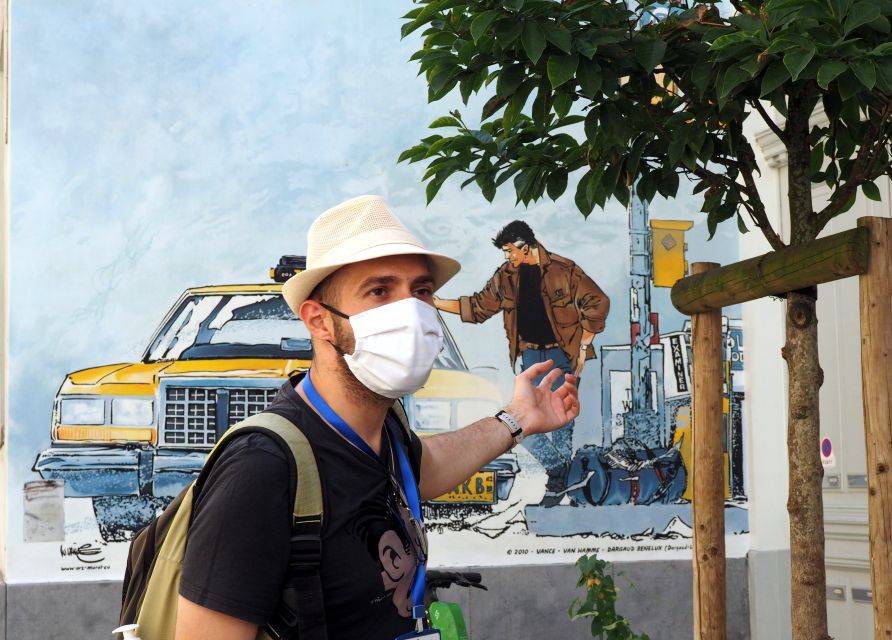
The tour meets on Rue du Marché au Charbon, beside the Brousaille mural. Look for the guide wearing a Curiositas Mundus identifier. The tour is aimed at groups of no more than 25 people, and children from 0 to 10 years old can join free.
In This Review
- Key points to know before you book
- Why Brussels tells its stories on walls
- Starting beside the Brousaille mural
- Finding Brussels’ first comic wall from 1991
- Tintin’s former home and the Moulinsart connection
- The Smurfs and Brussels’ wider comic family
- French-Belgian comic schools and drawing techniques
- Walking beyond the postcard center
- Group size, accessibility, and language
- What the $15 to $17 price buys you
- Who should book this Brussels comic walk?
- Should you book it?
- FAQ
- Where does the comic book walls walking tour meet?
- How long does the tour last?
- What language is the tour in?
- How much does the tour cost?
- Is the tour wheelchair accessible?
- Can I cancel for a full refund?
Key points to know before you book
- The 1991 mural matters: You will learn which wall began Brussels’ comic mural project.
- Tintin gets a real address: The tour covers the house where Tintin lived before the move to Moulinsart Castle.
- This is more than a photo walk: Your guide explains French-Belgian comic schools, artists, characters, and drawing methods.
- The route leaves the tight tourist core: You walk through central Brussels streets that many short city visits miss.
- Spanish is central to the experience: Check the selected day and language carefully before booking.
- Samuel has earned strong praise: His slow, clear, friendly delivery helped even guests with only basic Spanish follow the tour.
Why Brussels tells its stories on walls
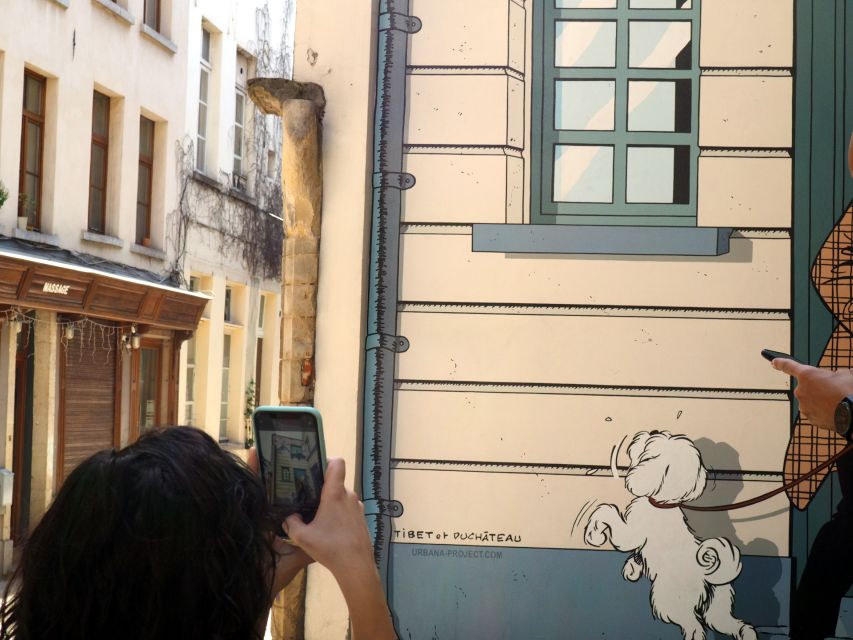
Brussels has more than 80 comic-themed walls. That number changes how you look at the city. A mural is not just a splash of color on a blank building. It is part of a city project that brought Belgian comic characters into everyday streets.
The tour helps you connect the images to the culture that produced them. You will hear about important early authors, the leading French-Belgian comic traditions, and the techniques that shape the drawings. That context is useful because many characters are familiar in Belgium but less familiar elsewhere.
The best part of this format is the link between ordinary streets and larger-than-life figures. A comic panel normally sits inside a book. Here, the page becomes a wall, and the city becomes part of the scene.
You can also look for the large Smurfs statue in central Brussels. It gives the tour another way to show how comic characters move from printed stories into public space. The experience is not limited to Tintin, though he is one of its main anchors.
More Walking Tours in Brussels
- Brussels: Guided Walking Tour
★ 4.6 · 3,560 reviews - Brussels: Historical Walking Tour with Chocolate & Waffle Tasting
★ 5.0 · 1,165 reviews - Brussels Walking and Tasting Tour (Beers,Chocolates&Fries/Waffle)
★ 5.0 · 929 reviews
Starting beside the Brousaille mural
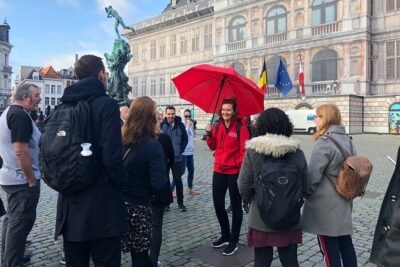
The meeting point is Rue du Marché au Charbon, 40, next to the Brousaille mural. Arrive with the street name written down, since central Brussels has many busy lanes and several comic-related sights.
Your guide should carry a Curiositas Mundus identifier. This is worth checking before the start, especially if several walking groups gather nearby. The activity is a walking tour, so wear shoes you can use comfortably for two and a half hours.
The opening stop introduces the idea behind Brussels’ comic walls. Rather than racing straight to the most famous characters, the guide sets up the city’s connection with comics and explains what you are about to notice. That makes the later murals easier to read.
Because the group can reach 25 people, your place in the crowd may affect how clearly you see small details on a wall. Stay close enough to hear, but step back when the guide pauses so you can take in the complete image.
Finding Brussels’ first comic wall from 1991
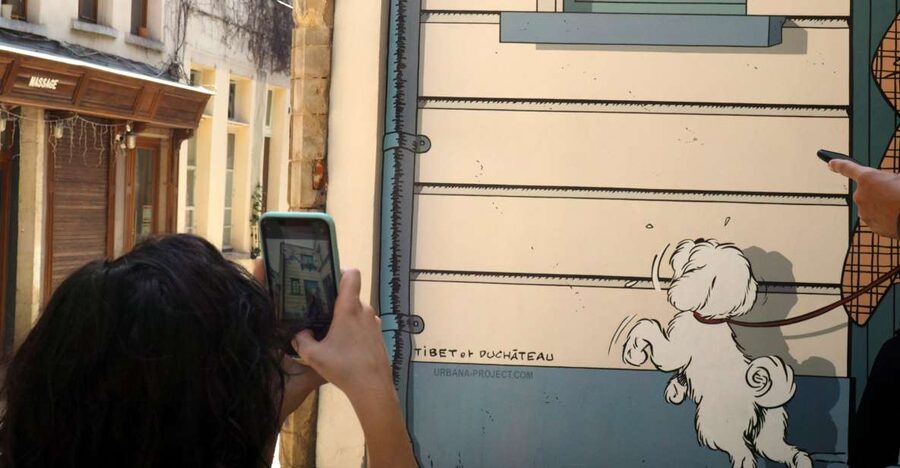
One of the tour’s most useful details is the story of the first comic wall created in Brussels in 1991. It gives the mural project a clear starting point rather than presenting the city’s comic art as an accidental collection of paintings.
This stop is valuable for anyone who wants to understand how public art develops. You see that the walls have a history of their own, and that Brussels made a deliberate choice to celebrate comics in its streets.
The guide’s explanation of the first wall also gives you a way to judge later examples. You can notice differences in scale, style, line work, and how each character fits the building. That turns a simple walk into a lesson in visual storytelling.
Take time to study the surrounding street as well as the mural. The appeal comes from seeing comic art placed among normal city life, not isolated inside a museum.
Tintin’s former home and the Moulinsart connection
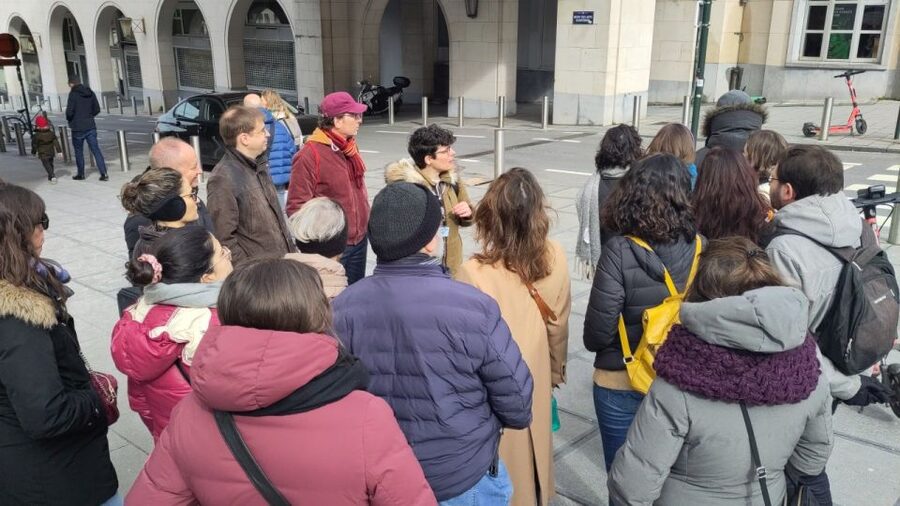
The Tintin section should appeal even if you know only the basic outline of the character. You will learn about the house where Tintin lived before he moved to Moulinsart Castle.
That detail adds a sense of place to a character often associated with imaginary adventures. It connects Tintin to Brussels in a more personal way, giving you a physical address and a city setting rather than only a famous name.
The guide also explains the character’s place within Belgian comics. This is important because Tintin is often treated as the whole story, while the tour puts him among other authors, characters, and schools.
If you arrive hoping for a museum visit or access inside a private home, adjust your expectations. The experience is a guided city walk, so the value comes from the explanation and the exterior setting. You are learning where the story connects with Brussels, not touring an indoor Tintin attraction.
Something different, still within reach of Brussels:
- Brussels: Atomium Entry Ticket with Design Museum Ticket
★ 4.4 · 9,254 reviews - From Brussels: Guided Day Trip to Bruges and Ghent
★ 4.6 · 8,353 reviews - From Brussels: Bruges & Ghent Day Tour – 2 Fairytale Cities
★ 4.7 · 8,242 reviews - Choco-Story Brussels: Chocolate Museum Entrance with Tasting
★ 4.3 · 4,883 reviews
The Smurfs and Brussels’ wider comic family
The large Smurfs statue in the city center gives the tour an easy-to-recognize landmark. It also shows how broad the city’s comic identity is. Tintin is not the only character celebrated in public.
Your guide introduces important authors from the origins of Belgian comics and discusses the characters linked to them. The precise balance may depend on the guide and the group’s questions, but the stated focus goes beyond one franchise.
This variety is one of the tour’s strengths. If you already know Brussels through Tintin, the Smurfs, or another favorite series, you will likely gain a wider view of the French-Belgian tradition. If you know very little about the subject, the guide gives you a simple way into it.
The murals also work well for families. Children can recognize large figures and bright scenes, while adults can listen for the artistic and historical background. The free admission for children aged 0 to 10 makes the outing easier to justify for a family.
French-Belgian comic schools and drawing techniques
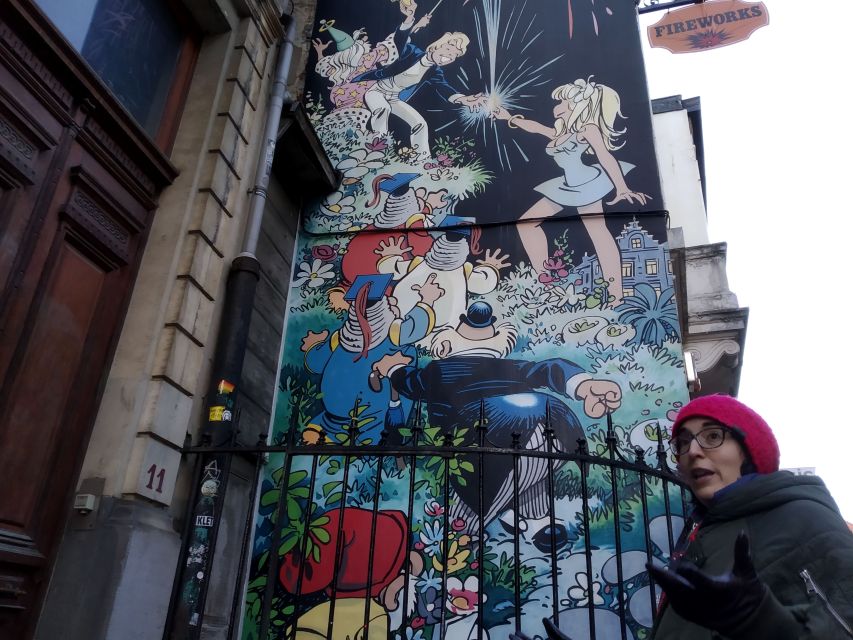
The most educational part of the walk is the explanation of the main schools of French-Belgian comics. You will hear how different traditions use line, composition, character design, and storytelling.
This matters because the walls can look similar at first glance. Once the guide points out the techniques, you can begin to see why one mural feels different from another. The city becomes a set of examples rather than a string of unrelated paintings.
The activity is especially useful if you like illustration, graphic design, animation, or publishing. It gives you vocabulary for looking at comics, but it is not presented as a technical art class. You will still spend much of the time walking, looking, and asking questions.
Guide quality matters here. Samuel is praised for explaining the subject clearly and with real enthusiasm. He also speaks slowly and checks that people understand, which can help if your Spanish is basic. An Italian-speaking participant found the Spanish presentation easy to follow, while a Portuguese-speaking participant described the explanations as very dynamic.
The tour is advertised with Spanish live guidance, and the schedule information says Spanish-only tours take place on Thursdays and Sundays. Other activity details also refer to choosing Spanish or English on the appropriate day, while the additional language information lists Spanish. Because these details do not match perfectly, confirm the exact language before paying.
Walking beyond the postcard center
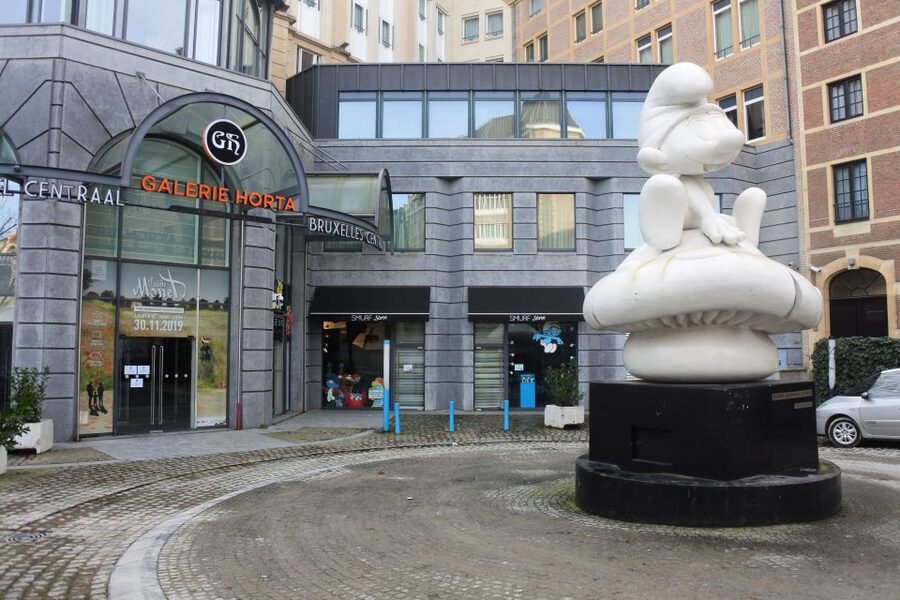
The route goes through central Brussels but is not limited to the most obvious tourist square. That is a useful change of pace if you have already seen the Grand Place and want to understand more of the city’s side streets.
A walking route also lets you notice the way murals fit into the built environment. You are not viewing them as isolated displays in a gallery. You see them on walls, around corners, and along streets that people use every day.
The tradeoff is time. At 150 minutes, this is not a quick stop between lunch and another appointment. One person found the tour too long and too detailed. That criticism is fair if you prefer short sightseeing visits or already know Belgian comic history well.
On the other hand, several participants felt the two and a half hours passed quickly because the presentation stayed engaging. I would choose this tour when you can give it an open block of time. Do not squeeze it into a tight schedule.
Group size, accessibility, and language
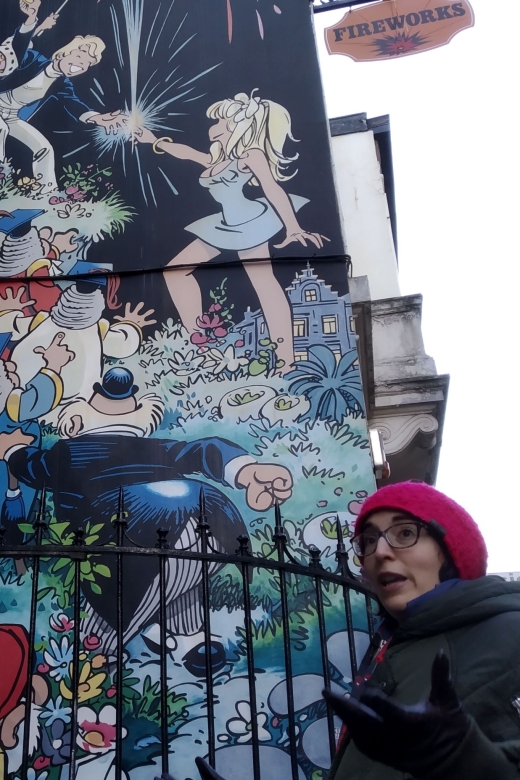
The maximum group size is 25. That is not a tiny private walk, but it is still manageable for a guide-led street tour. Your experience will depend partly on staying near the guide during explanations.
The route is listed as accessible to people with reduced mobility, wheelchairs, and strollers. Since this is a city walk, you should still consider your own comfort with the distance and the changing conditions of public streets.
The activity is not suitable for people with visual or hearing impairments. That limitation is important because much of the experience depends on seeing murals and hearing the guide’s spoken explanations.
The live guide language is Spanish in the supplied details. Complementary multimedia information is available through the Curiositas Mundus Telegram channels in Spanish and English. Confirm which live language applies to your date, and do not assume the app changes the language of the guide.
What the $15 to $17 price buys you
The published information gives two prices: $17 per person in the summary and $15 for visitors aged 11 and older in the detailed pricing. Check the current amount and currency when you reserve.
At either price, the value depends on how much background you want. You are paying for a professional guide, a focused route, interpretation of the murals, comic history, and suggestions about where to find comics in your language. You are not paying for museum admission or a private group.
For a family, the free admission for children from 0 to 10 improves the value. Two adults can bring young children without adding a separate child ticket, though the length of the walk remains worth considering.
The strongest value comes from the guide’s knowledge and communication. Samuel receives particular praise for being prepared, attentive, and easy to understand. The guide can point out details you would likely pass without noticing, then answer questions in the moment.
You can also reserve now and pay later, which helps if your Brussels schedule is still changing. Cancellation is free up to 24 hours before the activity for a full refund.
Who should book this Brussels comic walk?
I would choose this tour if you like Tintin, the Smurfs, illustration, European graphic novels, or city art that has a story behind it. It also suits you if you have already covered the main center and want a different way to read Brussels.
Families with children aged 0 to 10 get a useful price advantage. Spanish speakers should find the format especially comfortable, and people with basic Spanish may manage well when the guide speaks slowly and checks understanding.
You may want to skip it if you dislike long walking tours, prefer a fast list of photo stops, or have little interest in comics. The detail is part of the point, and the two and a half hours can feel excessive if you want only a quick mural tour.
Should you book it?
Book this walking tour if you want the stories behind Brussels’ comic walls, not just photos of them. The first 1991 mural, Tintin’s former home, the Smurfs, and the French-Belgian comic schools give the walk a clear purpose.
Before booking, confirm the live language, check the current $15 to $17 price, and leave a full 150 minutes free. If you do that, this is a good-value introduction to one of Brussels’ most distinctive cultural traditions, with the guide’s clear explanations adding far more than a self-guided mural hunt.
FAQ
Where does the comic book walls walking tour meet?
The meeting point is Rue du Marché au Charbon, 40, beside the Brousaille mural. The guide will carry a Curiositas Mundus identifier.
How long does the tour last?
The walking tour lasts 150 minutes, or two and a half hours.
What language is the tour in?
The live guide is listed as Spanish. The activity information says Spanish-only tours take place on Thursdays and Sundays, while other details refer to Spanish or English options on selected days. Confirm the language for your chosen date.
How much does the tour cost?
The detailed pricing lists free admission for children from 0 to 10 years old and a price of $15 for people aged 11 and older. The summary lists $17 per person, so check the current price when booking.
Is the tour wheelchair accessible?
Yes. The activity is listed as accessible for people with reduced mobility, wheelchairs, and strollers.
Can I cancel for a full refund?
Yes. You can cancel up to 24 hours before the tour for a full refund. You can also reserve now and pay later.
Just added around Brussels
- Discover the secrets of Brussels while playing★ 5.0 · 3 reviews
- Private tour : Best of Brussels half day From Brussels★ 5.0 · 3 reviews
- Standard vehicle from Charleroi airport to city of Brussels★ 4.5 · 3 reviews
- Full day Brugge & Ghent: the gems of Flanders★ 5.0 · 3 reviews
- Private Tour – Bruges and Ghent, our fairytale cities★ 5.0 · 3 reviews
- Floating in the clouds★ 5.0 · 3 reviews
- Full-Day City Tour of Ghent and Bruges from Brussels★ 4.5 · 3 reviews
- Brussels Private Walking Tour With A Professional Guide★ 4.5 · 3 reviews
Walking Tours, compared.
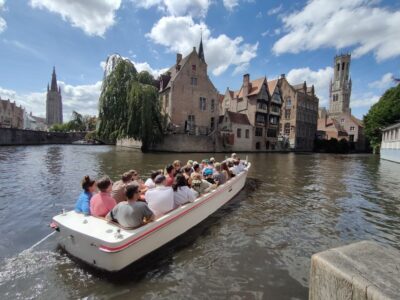
Small Group Boat Cruise and Guided Walking Tour
Read our review →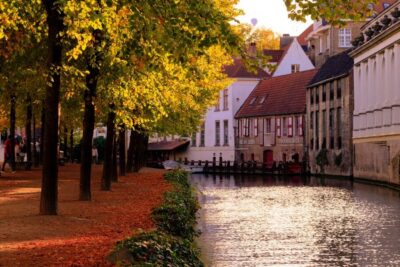
Walking Tour, Canal Boat Trip w/Beer Tasting Option
Read our review →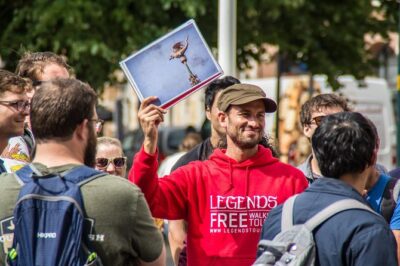
Historical Walking Tour with Chocolate & Waffle Tasting
Read our review →
Brussels Walking and Tasting Tour (Beers,Chocolates&Fries/Waffle)
Read our review →Browse the lists this tour appears in