
Reviewed · BELGIAN CHOCOLATE TOURS
Chocolate history workshop Ghent
Chocolate history tastes better by the bite. This 90-minute workshop in central Ghent combines hands-on chocolate making with a guided look at how cacao became Belgian chocolate. I like the small setting and the chance to compare chocolates from several Belgian makers without crossing the country.
I also like the unusual tasting sequence, which can include cacao fruit juice, cacao tea, early drinking chocolate, and modern pralines. The main drawback is the $82.90 price, which is high for an hour and a half, and the room is kept at about 18°C, so you may want a sweater.
In This Review
- Key points to know before booking
- What this Ghent chocolate workshop is really about
- Starting at Kraanlei, beside Ghent’s main sights
- The cacao lesson starts before the pralines
- Making a bar from cacao beans
- Comparing Belgian chocolatiers in one room
- Hot chocolate closes the tasting with a useful extra
- A small group makes the lesson more personal
- The 18°C room is good for chocolate, cooler for you
- Who gets the most from the $82.90 price?
- How to fit it into a Ghent day
- The main strengths and limits
- Should you book this chocolate workshop?
- FAQ
- Where does the chocolate history workshop take place?
- What time does the workshop start?
- How long does the experience last?
- Is transportation included?
- Is the workshop offered in English?
- How many people can join the workshop?
- What is included in the price?
- Is the chocolate tasting room cold?
- Does the workshop allow service animals?
- Can I cancel for a full refund?
Key points to know before booking
- Cacao beans become your own chocolate bar: You make a bar from cacao beans rather than simply decorating a ready-made treat.
- Historic and modern chocolate share the same table: The session can include 16th and 17th-century chocolate preparations alongside Belgian pralines.
- Small groups keep the lesson personal: The experience is designed for a small group, with the additional details listing a maximum of six people.
- Several Belgian makers are compared in one stop: You taste chocolates from artisans based in different parts of Belgium.
- The location works well with sightseeing: Chocolade Ambassade is at Kraanlei 3, around the corner from Gravensteen Castle and about five minutes from Graslei and Korenlei.
- Plan for a cool tasting room: Chocolate quality requires a room temperature of roughly 18°C.
What this Ghent chocolate workshop is really about
Many chocolate activities in Belgium focus on eating pralines. This one tries to explain the road from cacao bean to finished chocolate, then gives you a part in that process.
That difference matters. You are not simply handed a box of sweets and told which flavor you are trying. You get a short lesson in chocolate history, sample cacao products, compare finished chocolates, and make a chocolate bar of your own.
The format is compact. You spend about 1 hour and 30 minutes in the tasting room, with the English-speaking guide leading the session. The workshop takes place at Chocolade Ambassade, a chocolate shop in the historic center of Ghent.
I see this as a good choice for someone who wants more context than a standard shop visit, but does not want to spend half a day in a museum. It also gives you a practical way to decide which style of Belgian chocolate you actually like.
More Chocolate Tours in Ghent
- Ghent: Belgian Chocolate Walking Tour with Tastings
★ 4.9 · 259 reviews - Ghent: Famous Belgian Chocolate Walking Tour with Tastings
★ 5.0 · 131 reviews - A Taste of Ghent: Beer & Chocolate with storytelling by a local
★ 5.0 · 77 reviews
Starting at Kraanlei, beside Ghent’s main sights
The meeting point is Chocolade Ambassade, The Belgian Chocolate Experience, at Kraanlei 3. You begin and end at the same location, which keeps the timing simple and avoids a second meeting point elsewhere in town.
The address is useful for a sightseeing day. Gravensteen Castle is just around the corner, while Graslei and Korenlei are about a five-minute walk away. You can place the workshop between major sights rather than spending extra time getting across the city.
The activity begins at 11:00 a.m. That start time gives you a workable morning, though you should allow enough time to reach the shop before the lesson begins. Transportation is not included, but the meeting point is near public transportation.
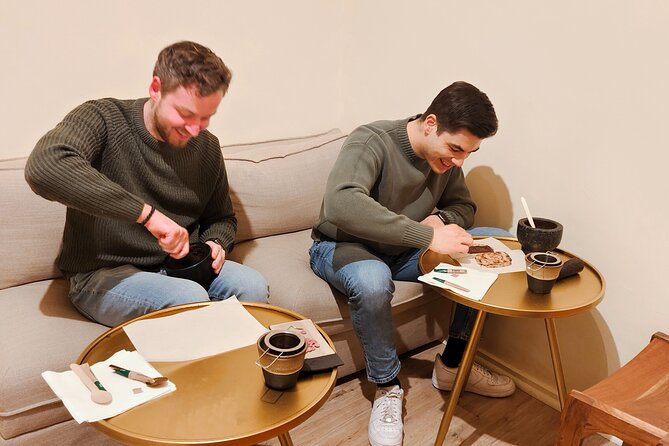
The shop setting also shapes the experience. This is not a large museum gallery or a factory tour. You enter a tasting room meant for a small number of people, with the guide close enough to explain each stage and answer questions.
The published details describe groups of up to eight, while the additional information lists a maximum of six. Either way, this is intended to be a small-group activity rather than a large class.
The cacao lesson starts before the pralines
The most useful part of the workshop is its focus on cacao itself. You learn about the plant and the early forms of chocolate before arriving at the polished pralines associated with Belgium today.
The tasting can include cacao fruit juice and cacao tea. These products help you understand that chocolate begins with more than a sweet brown bar. The cacao fruit has its own character, and the tea offers another way to experience the ingredient.
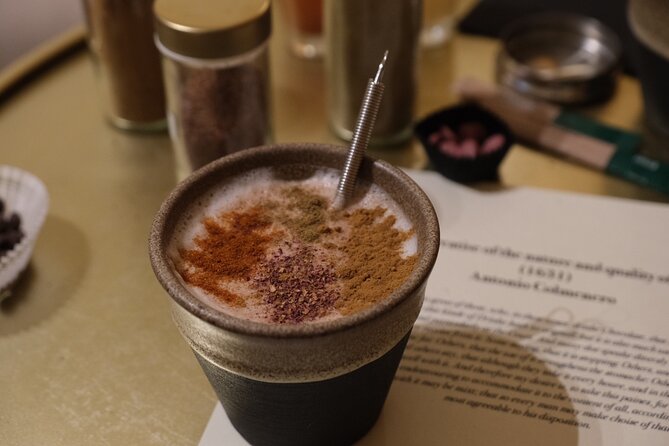
You may also taste an early style of drinking chocolate as the guide explains how chocolate developed over time. This historical sequence gives the workshop a clear shape: cacao first, then early chocolate drinks, followed by later chocolate-making traditions and modern Belgian sweets.
I like this approach because it makes the tasting more than a sugar stop. Each sample has a role in the story. You can compare the flavor and texture of less familiar cacao products with the smoother, sweeter chocolates most people expect in Belgium.
The session also looks at chocolate items associated with the 16th and 17th centuries. You may make versions of these older preparations, giving the past a practical place in the lesson rather than leaving it as a list of dates.
Making a bar from cacao beans
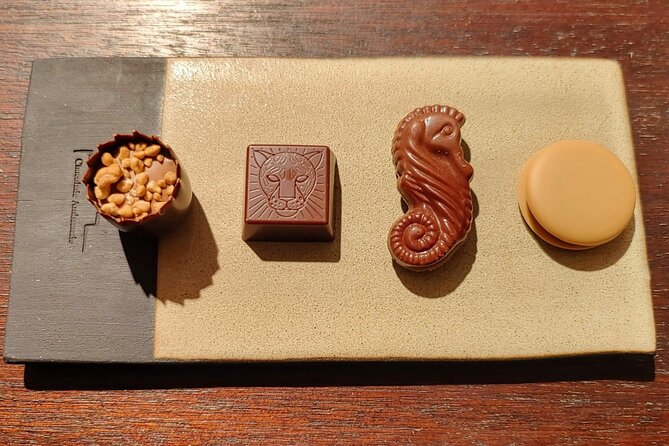
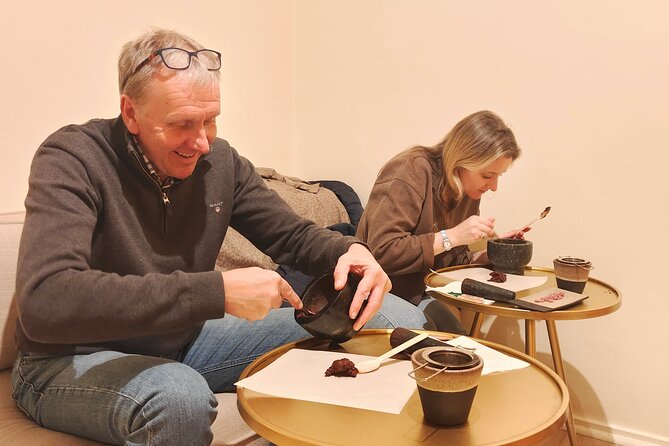
The hands-on part is the feature that sets this workshop apart from a basic tasting. You craft a chocolate bar starting with cacao beans, not just a pre-made slab waiting for decorations.
That process gives you a better sense of the work behind chocolate. The guide explains the stages as you go, so the activity remains instructional rather than turning into a quick souvenir-making exercise.
You leave with the bar you crafted yourself. It is a modest item, but it gives the workshop a clear payoff. You have something to take away that connects directly to the lesson.
The process may suit families, couples, and anyone who prefers an activity to a passive tasting. It also works for people who already know Belgian chocolate and want to understand the raw ingredient more clearly.
There is one practical point to keep in mind: cacao work can be more interesting than it is tidy. The supplied information does not promise a particular decoration style or a fixed recipe for your bar, so you should book this for the making process and the chocolate lesson, not for a highly elaborate confectionery class.
Something different, still within reach of Ghent:
- Ghent: 50-Minute Medieval Center Guided Boat Trip
★ 4.5 · 5,637 reviews - Historical Walking Tour: Legends of Gent
★ 5.0 · 1,761 reviews - Ghent: 40 Minute Medieval Center Guided Boat Tour
★ 4.4 · 884 reviews - Evening Tour of the Dark Side of Gent
★ 5.0 · 646 reviews
Comparing Belgian chocolatiers in one room
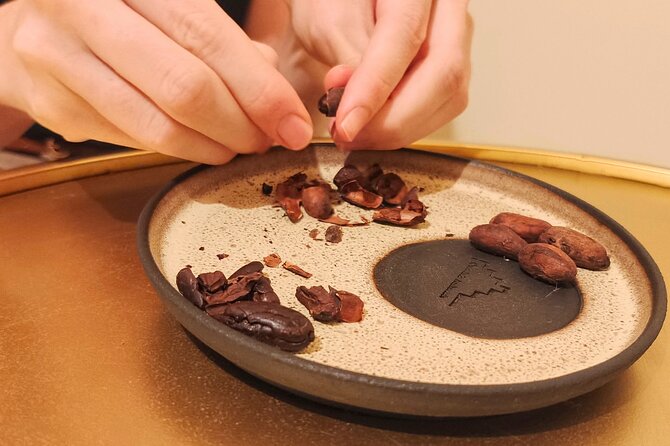
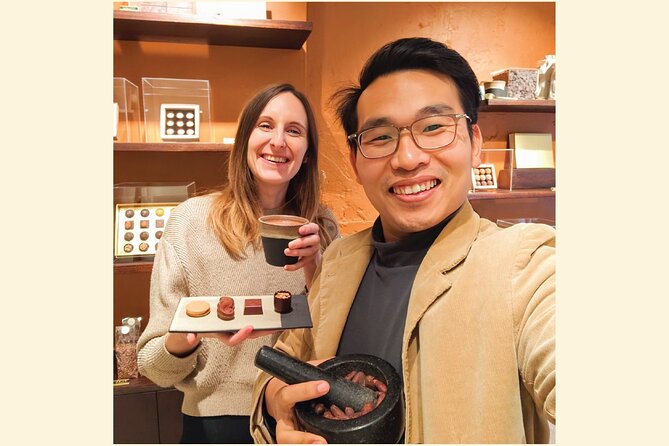
The workshop samples artisanal chocolates from different chocolate makers located across Belgium. That is useful because Belgian chocolate is not one single flavor or style.
A shop visit usually lets you choose from the products displayed in front of you. Here, the guide can place several examples within the same tasting, giving you a direct comparison. You may find that you prefer one maker’s balance, texture, or filling to another’s.
The tasting can include modern pralines after the historic samples. That contrast helps you notice how chocolate changed from early drinking forms to the filled and molded sweets sold today.
I especially like this feature for anyone trying to settle the familiar Belgian-versus-Swiss chocolate question. One person from Switzerland used the workshop as part of that comparison and came away with a more useful conclusion: the session was a better chocolate experience, even without settling which country makes the better chocolate.
That is a sensible way to approach the tasting. Do not expect a final national championship. Use it to identify what you personally enjoy, then shop with a better idea of what to buy.
Hot chocolate closes the tasting with a useful extra
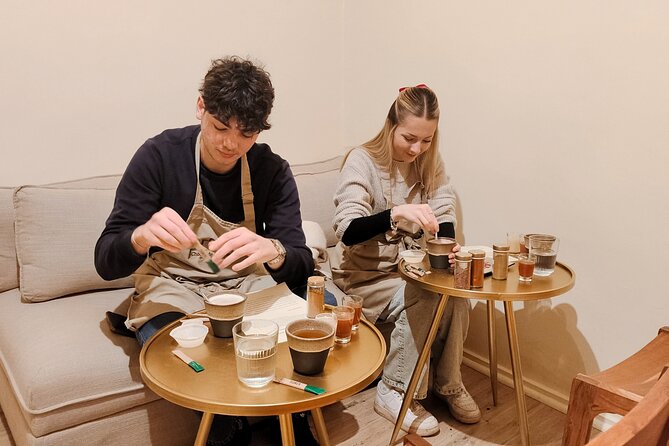
Hot chocolate is included, along with the recipe. This is a small but worthwhile detail because you can recreate part of the experience at home.
The recipe also gives the final drink more purpose than a simple warm sample. By the time you reach it, you have followed chocolate from cacao products through historic drinking chocolate and into the Belgian tradition.
Water is provided during the session. That matters during a tasting with several rich samples, especially if you plan to continue sightseeing afterward.
The inclusion of hot chocolate, water, and the chocolate you make helps explain some of the price. Still, the cost remains substantial for a 90-minute activity, so the value depends on how much you want the instruction and interaction.
If you only want to eat pralines, you can spend much less in a chocolate shop. If you want an English-language lesson, several tastings, historical context, and a hands-on activity in a small group, the price is easier to justify.
A small group makes the lesson more personal
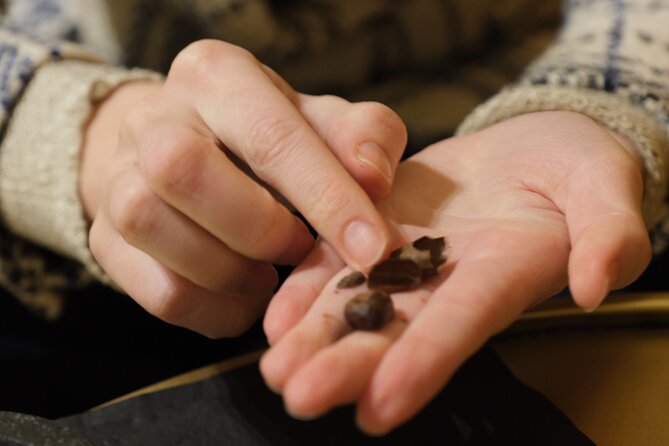
The room is set up for an intimate class. The description says groups can reach eight people, while the additional information gives six as the maximum. That is still small enough for the guide to keep an eye on the making process.
The personal format is especially helpful when working with cacao beans. You can follow the steps closely and ask questions as the guide explains what you are doing.
The English guide is licensed or certified. The guide named in the supplied feedback is Leo, who is described as friendly, funny, and clear while explaining both the making process and the history of chocolate.
That mix of humor and instruction is important in a short workshop. A dry lecture would make the historical section drag, while a purely playful class would leave you with little understanding of cacao. The session appears designed to keep both sides in play.
Because the group is small, this is also a better fit for people who prefer a quieter activity. It may be less appealing if you want a busy factory floor, a large social event, or a long production tour.
The 18°C room is good for chocolate, cooler for you
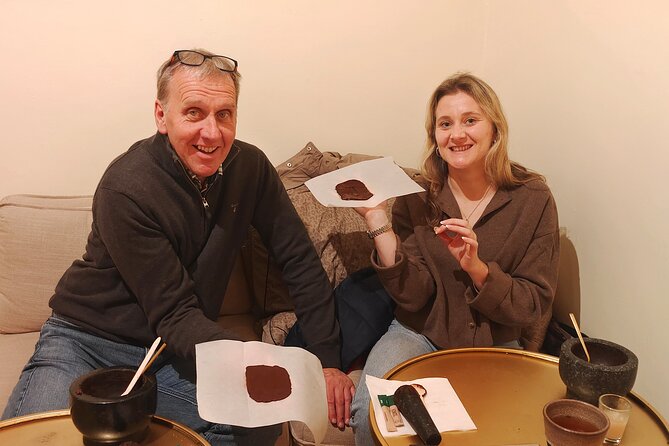
Chocolate needs careful temperature control, so the tasting room is kept at around 18°C. That protects the quality of the samples and helps the chocolate remain in good condition.
For some people, 18°C will feel comfortable. For others, especially during a long seated tasting, it may feel chilly. Bring a sweater if you tend to get cold.
This is not a minor point if you are visiting Ghent during cool weather and have dressed for walking. You may be comfortable outdoors but still want another layer once the tasting begins.
The setting is a chocolate shop, not a full restaurant or transportation hub. Service animals are allowed, and the location is near public transportation. The information provided does not give details about every physical accessibility feature, so contact the provider if you need specific arrangements.
Who gets the most from the $82.90 price?
At $82.90 per person, this is not an impulse purchase for a quick box of chocolates. You are paying for an English-language guide, a small group, several tasting elements, a handmade bar, a hot chocolate recipe, and the chance to compare products from different Belgian makers.
I think the price works best for three types of people:
- You want a structured chocolate lesson instead of unplanned shopping.
- You enjoy historical context and unusual samples such as cacao fruit juice or cacao tea.
- You like making something yourself and taking it away afterward.
Families may appreciate the hands-on element, though the supplied information does not give a minimum age. Couples and solo visitors can also benefit from the small group, especially if they want an activity near Ghent’s central sights.
The value is weaker if your main goal is quantity. This is not described as a large chocolate haul, and the session lasts only about an hour and a half. You should choose it for the explanation, comparison, and participation.
The activity is often booked about 22 days in advance on average. That suggests you should not leave it until the last morning of a busy Ghent stay if the 11:00 a.m. time matters to you.
How to fit it into a Ghent day
The workshop ends back at the starting point, so you can continue directly into the old center. Gravensteen Castle is nearby, and Graslei and Korenlei are a short walk away.
A practical plan would be to use the workshop as a late morning anchor, then continue sightseeing and shopping afterward. The tasting itself includes an opportunity to buy chocolate if you wish, but you do not have to shop to take part.
Because the session is in the historic center, you do not need to build a separate trip around it. That helps the value, especially if you are already planning to see the castle and the waterfront streets.
I would avoid scheduling a rushed appointment immediately afterward. The stated duration is approximate, and a tasting with questions and chocolate shopping can take a little longer in practice. Keep the rest of the day flexible.
Free cancellation is available up to 24 hours before the local start time for a full refund. Changes or cancellations made within 24 hours are not accepted for a refund, and the activity may be canceled if its minimum number is not reached. In that case, you are offered another date or experience, or a full refund.
The main strengths and limits
The strongest point is the balance between explanation and action. You learn how chocolate developed, taste products across the cacao-to-praline timeline, and make your own bar.
The second strength is the variety. Cacao fruit juice, cacao tea, an early drinking chocolate, modern pralines, and chocolates from different makers give the hour and a half a clear progression.
The biggest limitation is cost. At $82.90, you should care about the lesson itself, not just the food. A person who wants only a Belgian sweet treat will find cheaper options throughout Ghent.
The cool room is another small drawback. It is necessary for the chocolate, but a sweater is a smart addition.
The workshop also offers less than a traditional museum in terms of display space and broad coverage. Its history is delivered through tasting and instruction. That makes it more memorable for many people, but it may not satisfy someone looking for a large collection of objects or a long self-guided visit.
Should you book this chocolate workshop?
Book it if you want to understand Belgian chocolate rather than simply purchase it. The cacao-bean activity, unusual tastings, historical samples, modern pralines, and small English-speaking group give you a fuller experience than a quick shop stop.
I would especially recommend it to first-time visitors who want one well-placed activity in central Ghent, and to chocolate fans who have already tried plenty of pralines but want to compare makers and learn what came before them.
Skip it if $82.90 feels too high for a short food activity, or if you prefer to choose your own chocolates without a guided lesson. For everyone else, bring a sweater, arrive ready to taste several stages of chocolate, and leave room in your day for a little shopping afterward.
FAQ
Where does the chocolate history workshop take place?
It takes place at Chocolade Ambassade: The Belgian Chocolate Experience, Kraanlei 3, 9000 Ghent, Belgium.
What time does the workshop start?
The listed start time is 11:00 a.m.
How long does the experience last?
It lasts approximately 1 hour and 30 minutes.
Is transportation included?
No. Transportation is not included.
Is the workshop offered in English?
Yes. The experience is offered in English, with a licensed or certified English guide.
How many people can join the workshop?
The experience is designed for a small group. The general description says up to eight people, while the additional information lists a maximum of six travelers.
What is included in the price?
The experience includes a chocolate bar you craft from cacao beans, Belgian artisanal chocolates from different makers, cacao products, hot chocolate with a recipe, and water.
Is the chocolate tasting room cold?
The room is kept at around 18°C to protect the chocolate. Bring a sweater if you are easily cold.
Does the workshop allow service animals?
Yes. Service animals are allowed.
Can I cancel for a full refund?
Yes, if you cancel at least 24 hours before the experience start time. Cancellations or changes made less than 24 hours beforehand are not accepted for a refund.
More Historical Tours in Ghent
- Ghent: 40-Minute Historical Boat Tour of City Center
★ 4.3 · 430 reviews - Private Historical Tour: The Best of Ghent
★ 5.0 · 115 reviews - Bicycle tour in historic Ghent
★ 5.0 · 87 reviews - Small Group Ypres Remembrance Day Filled With War History
★ 5.0 · 31 reviews
More Workshops
- Ghent: Belgian Waffle-Making Workshop with Beer Tasting
★ 4.8 · 256 reviews - The Waffles ‘n Beer Workshop in Ghent Centre
★ 5.0 · 67 reviews - Brussels: Belgian Chocolate Making Workshop with Tastings
★ 4.7 · 1,629 reviews - Brussels: 2.5-Hour Chocolate Museum Visit with Workshop
★ 4.6 · 1,263 reviews
Just added around Ghent
- Ghent Running and Sightseeing Tour★ 5.0 · 3 reviews
- Ghent: Walking Tour from Friday Market to the Cathedral★ 4.8 · 3 reviews
- Ghent Walking Tour – City Highlights and Beyond Tradition★ 4.5 · 3 reviews
- Ghent: City Walk with Audio Guide in 7 Languages on your Phone★ 4.5 · 3 reviews
- Children’s escape game in the city of Ghent Marsupilami★ 5.0 · 3 reviews
- Discover Ghent while playing! Escape game – The Walter case★ 4.5 · 4 reviews
- Discover Ghent while playing! Escape game – The alchemist★ 4.0 · 4 reviews
- e-Scavenger hunt Mons: Explore the city at your own pace★ 5.0 · 4 reviews
Belgian Chocolate Tours, compared.
Choco-Story Brussels: Chocolate Museum Entrance with Tasting
Read our review →
Hungry Mary’s Famous Beer and Chocolate Tour in Brussels
Read our review →
Belgian Chocolate Making Workshop with Tastings
Read our review →
Choco-Story Chocolate Museum Guided Tour w/Tastings
Read our review →
2.5-Hour Chocolate Museum Visit with Workshop
Read our review →
Historical Walking Tour with Chocolate & Waffle Tasting
Read our review →
Browse the lists this tour appears in