
Reviewed · MUSEUMS
Ghent: Museum of Fine Arts Entry Ticket
Art restoration becomes part of your museum visit. Ghent’s Museum of Fine Arts brings together European masterpieces from the 14th to 20th centuries, then adds the rare chance to watch the Ghent Altarpiece being restored behind glass. I also like that the ticket covers both the permanent collection and temporary exhibitions, so you can take your time without paying again at each gallery.
The main consideration is size and focus. With 30 galleries and roughly half devoted to art made before 1800, this is not a quick pop-in museum. The $17 price is fair for a full day of access, but check whether a Ghent City Card would give you better value before buying a separate ticket.
In This Review
- Key points to know before you go
- Entering Ghent’s Museum of Fine Arts
- The older galleries, Bosch, Rubens, and Brueghel
- Belgian art from Ensor to Magritte
- The Ghent Altarpiece restoration behind glass
- Temporary exhibitions and contemporary installations
- A useful audio guide with more than standard commentary
- When to visit and how long to stay
- Is the $17 ticket good value?
- Who will enjoy this museum most?
- Should you book the Ghent Museum of Fine Arts?
- FAQ
- How much does admission to the Museum of Fine Arts Ghent cost?
- How long is the ticket valid?
- What does the ticket include?
- Is the Ghent Altarpiece included?
- What languages are available for the audio guide?
- Is the museum wheelchair accessible?
- Can I bring food, drinks, luggage, or an umbrella?
- Is photography allowed?
- When does the museum stay open late?
Key points to know before you go
- Watch the Ghent Altarpiece restoration: See specialists work on Jan van Eyck’s 1432 masterpiece in a workshop behind glass.
- Follow art across six centuries: The route moves from older European painting to Belgian modernism and contemporary installations.
- Temporary exhibitions are included: Your admission covers special shows as well as the permanent collection.
- Use the free audio guide: Dutch, English, and French options include adult, children’s, musical, queer, and visually impaired visitor content.
- Plan around first Thursdays: The museum remains open until 22:00 on the first Thursday of each month, often with extra programming.
- Allow several hours: A visit can be shortened, but the 30-gallery layout rewards a calm, unhurried pace.
Entering Ghent’s Museum of Fine Arts
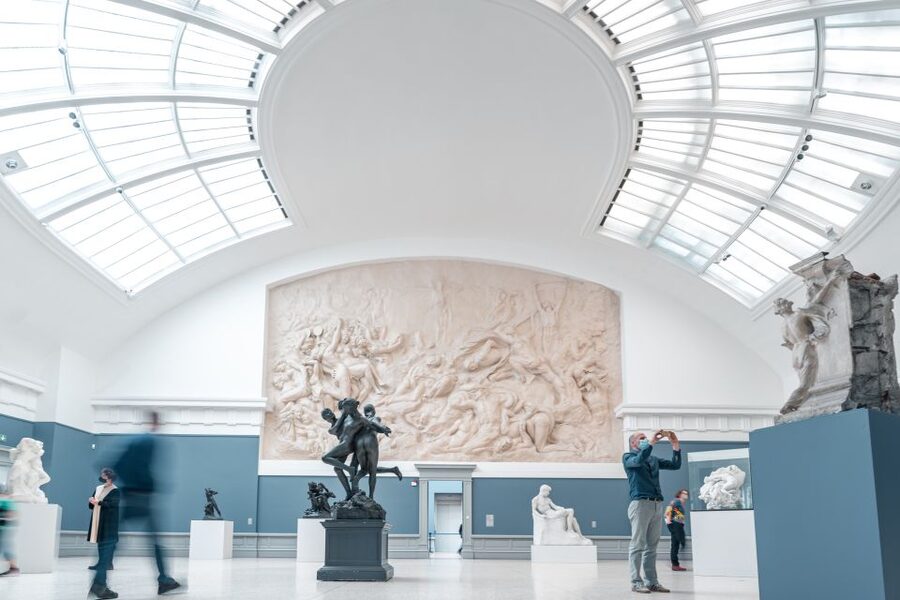
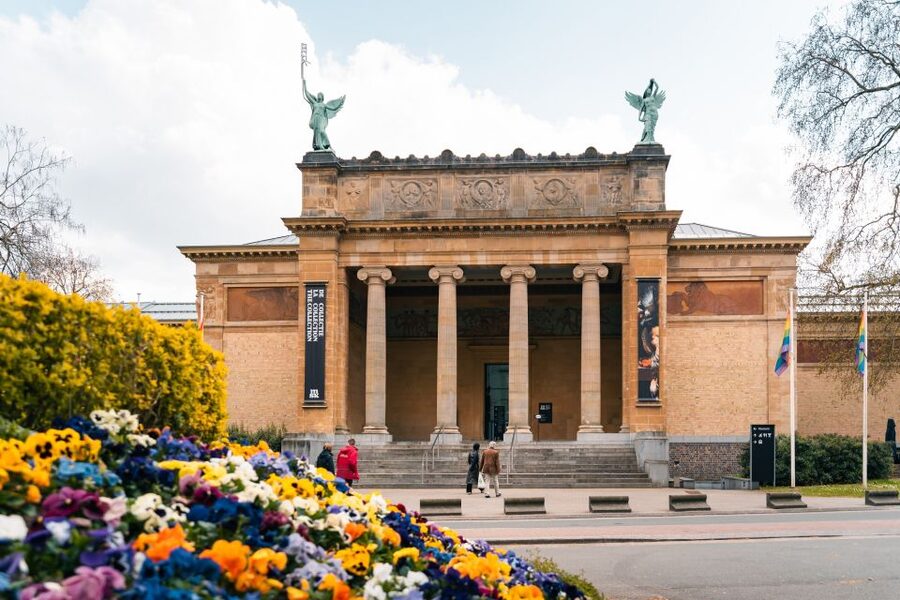
The Museum of Fine Arts, usually called the MSK, gives you a full day to explore with one ticket. You present your voucher at the entrance, then begin a chronological route through 30 galleries.
That route matters. Instead of placing famous paintings in a disconnected parade, the museum lets works from different periods speak to one another. You can watch artistic ideas change over time, then pause in a thematic or monographic gallery when one artist or subject deserves closer attention.
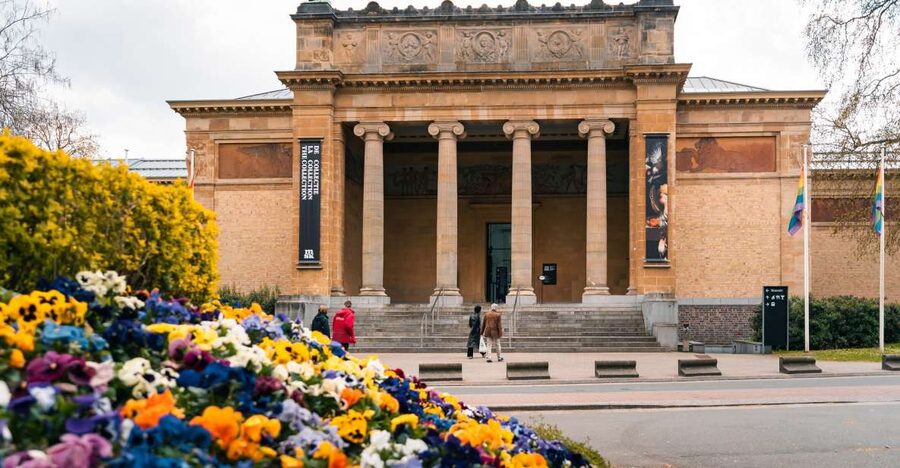
The building itself is part of the experience. It is monumental without asking you to admire architecture at every turn, and the museum opens onto a green park. That makes a break outdoors easy, especially if your attention begins to flag after several rooms of paintings.
I would plan at least two hours for a purposeful visit. If you want to use the audio guide, study labels, see the temporary exhibition, and spend time with the Altarpiece restoration, allow longer. One recent visit described two hours as a comfortable amount of time, but art lovers can easily make this a half-day stop.
More museums:
- Brussels: Atomium Entry Ticket with Design Museum Ticket
★ 4.4 · 9,254 reviews - Choco-Story Brussels: Chocolate Museum Entrance with Tasting
★ 4.3 · 4,883 reviews - Bruges: Choco-Story Chocolate Museum Guided Tour w/Tastings
★ 4.2 · 1,379 reviews
The older galleries, Bosch, Rubens, and Brueghel
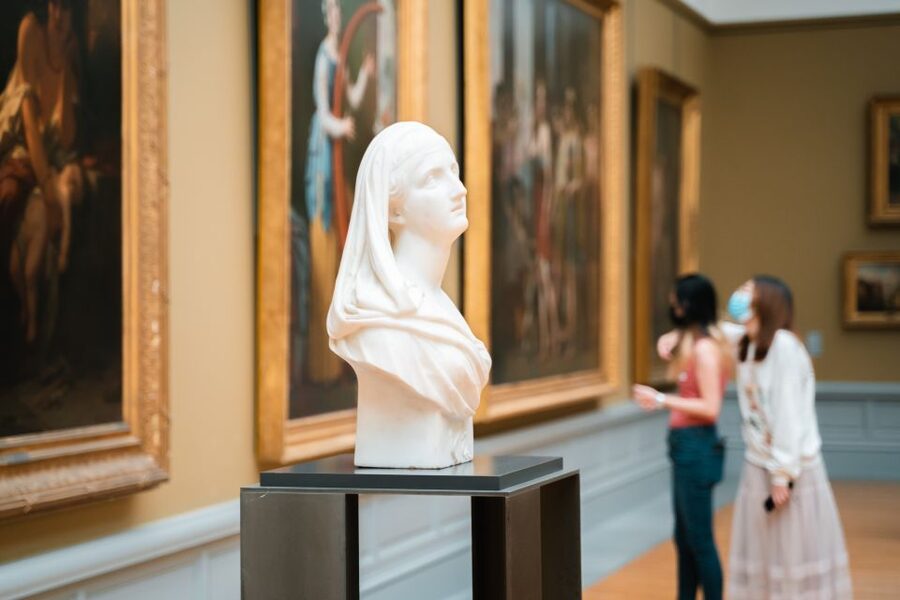
About half of the museum’s galleries focus on art made before 1800. This is where you encounter names such as Hieronymus Bosch, Pieter Paul Rubens, Brueghel II, and Anthony van Dyck.
The appeal is not only the fame of the artists. This section gives you a practical sense of how European art changed from the late medieval period through the Baroque era. Religious subjects, courtly imagery, detailed landscapes, and dramatic compositions appear in a broad historical sequence.
If you know little about early European painting, the audio guide can help you get your bearings. If you already recognize Bosch or Rubens, you can use the route as a framework rather than treating every room as a lesson.
I recommend resisting the urge to rush toward the best-known names. Smaller works and less familiar artists help explain the period around the headline paintings. Give yourself time to notice changes in color, scale, subject matter, and the treatment of human figures.
The older collection may be the least immediately accessible part of the museum for children or visitors mainly interested in modern art. The family route and children’s audio guide help, but the concentration of pre-1800 work can feel demanding if you have limited time.
Belgian art from Ensor to Magritte
The museum becomes especially rewarding when it turns toward Belgian art of the 19th and 20th centuries. Here you find James Ensor, Emile Claus, Georges Minne, Gustave Van de Woestyne, René Magritte, and Frits Van den Berghe.
This section gives the museum a strong local identity. You are not simply seeing a general European collection with a few Belgian names added at the edges. Belgian artists receive serious space, and the progression helps you understand the country’s role in modern European art.
James Ensor is a major reason to pay attention. His work can be strange, theatrical, and sharply observant. René Magritte brings a very different kind of surprise, using familiar images in ways that make you question what you think you are seeing.
The works by Emile Claus and Georges Minne broaden the picture. They show that Belgian art cannot be reduced to surrealism or masks. You also encounter modernism through Gustave Van de Woestyne and Frits Van den Berghe, giving the later galleries a varied rhythm rather than a single national style.
I like this part of the museum for visitors who want local culture without giving up major European art. Ghent’s medieval center gets much of the attention, but the MSK shows a more modern and complicated side of the city and country.
The Ghent Altarpiece restoration behind glass
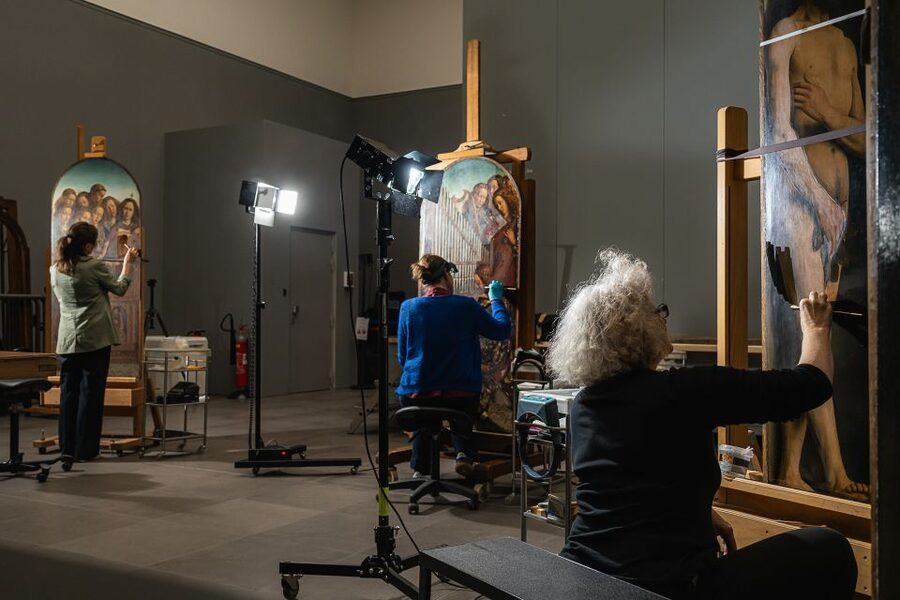
The most unusual feature is the live restoration of the Ghent Altarpiece by Jan van Eyck, painted in 1432. The restoration workshop sits behind glass inside the museum, allowing you to see the work as an active process rather than a finished object in a quiet gallery.
This changes how you look at an old masterpiece. Instead of treating the painting as an untouchable relic, you see the care, patience, and technical work needed to protect it. The setting also gives the Altarpiece a direct connection to modern conservation.
The restoration is in its final phase, according to the supplied details. That means the precise view of the workshop may change over time, but the basic attraction remains: you can watch specialists work on one of Belgium’s most important artistic treasures.
I would make this a deliberate stop, not something you pass while searching for Bosch or Magritte. Even if you are not an art specialist, the restoration provides a clear reminder that paintings are physical objects with layers, damage, and complicated lives.
It is also one of the strongest reasons to visit the MSK instead of relying only on a city walk. Ghent’s famous Altarpiece is associated with St. Bavo’s Cathedral, but the museum offers a different kind of encounter, focused on preservation and close observation.
A few more trips and experiences worth a look
- Ghent: 50-Minute Medieval Center Guided Boat Trip
★ 4.5 · 5,637 reviews - Historical Walking Tour: Legends of Gent
★ 5.0 · 1,761 reviews - Ghent: 40 Minute Medieval Center Guided Boat Tour
★ 4.4 · 884 reviews - Evening Tour of the Dark Side of Gent
★ 5.0 · 646 reviews
Temporary exhibitions and contemporary installations
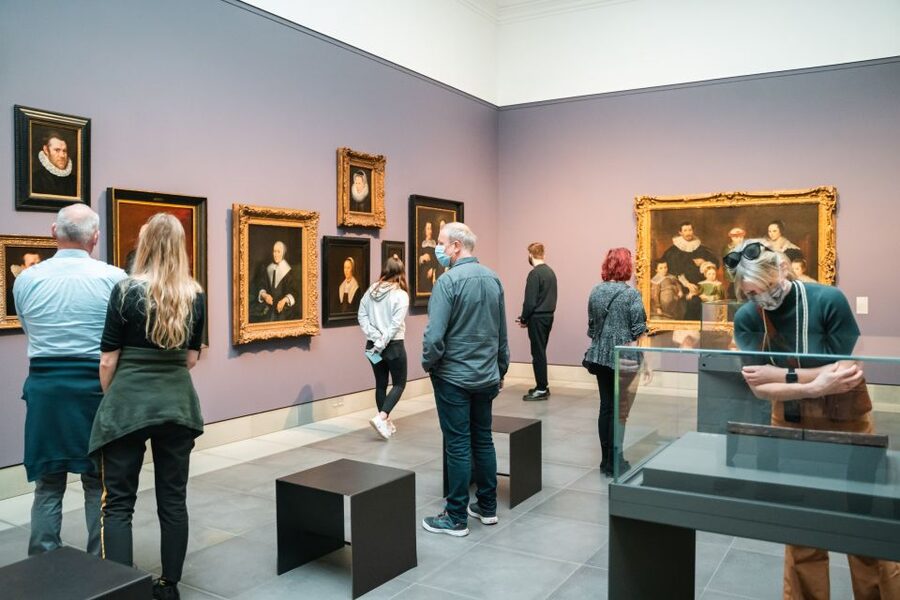
Your ticket includes temporary exhibitions automatically. This improves the value, since a special exhibition can otherwise turn a standard museum visit into a more expensive outing.
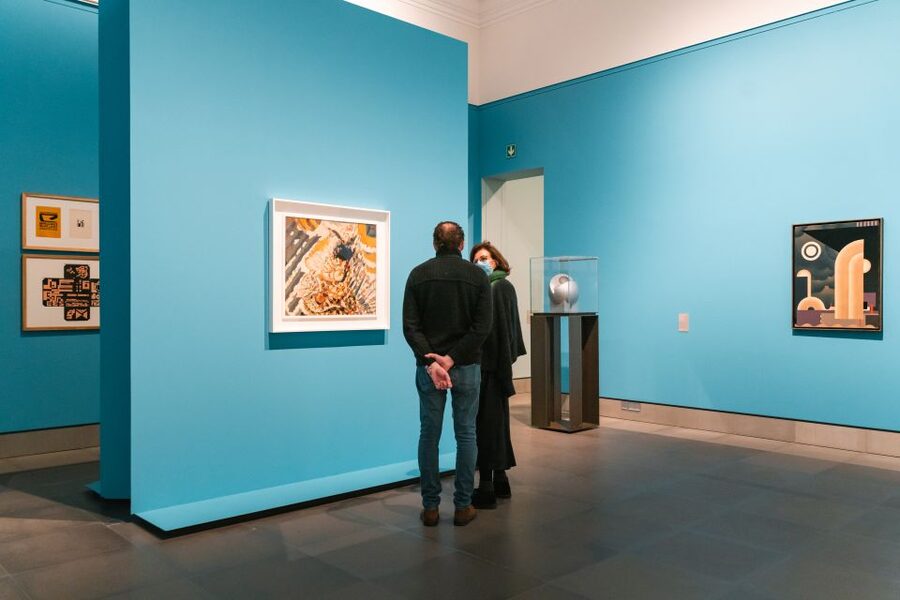
The exact show changes, so you should check what is scheduled for your date. A recent exhibition called Transcripts of a Sea was described as captivating, with explanations in Dutch, French, and English. That gives you a useful idea of the museum’s program: the temporary display can add a current, focused subject to the broad permanent collection.
Contemporary installations also appear within the collection. This can surprise visitors expecting only old paintings, but it gives the chronological route some breathing room and keeps the museum from feeling locked in the past.
I would treat the temporary exhibition as part of your main visit, not an optional extra. Start by checking its location and estimated route, then decide how much time to reserve. If the subject appeals to you, it may become the part you remember best. If it does not, the permanent galleries still provide the core value of the ticket.
A useful audio guide with more than standard commentary
The free audio guide is available in Dutch, English, and French. The adult version helps explain the collection, while the children’s option provides a separate route suited to younger visitors.
The content goes beyond basic dates and artist biographies. You can choose modern perspectives on art history, queer readings, musical interpretations, and descriptions for visitors with visual impairments. A family route adds children’s labels and small activities.
That range is one of the museum’s practical strengths. You can choose a style that fits your group rather than forcing everyone to listen to the same formal explanation. Families can give children their own tasks, while adults can select a more specialized approach.
I would bring headphones if you prefer not to hold a device continuously, although the supplied details do not specify how the guide is delivered. The important point is that commentary is included, so you do not need to budget for a separate guided tour.
The audio guide also helps with the museum’s scale. Thirty galleries can blur together, especially during a long visit. A few selected stops with commentary may be more satisfying than listening to every entry from start to finish.
When to visit and how long to stay
The ticket is valid for one day, with availability and starting times shown when you book. That makes it easy to fit the museum around other plans in Ghent, but I would avoid squeezing it into a rushed hour between train connections.
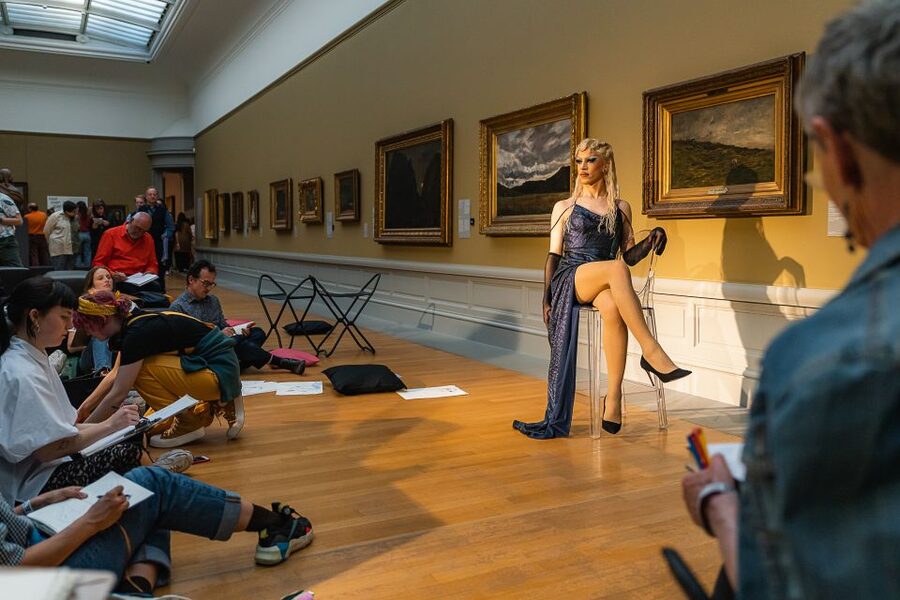
The first Thursday of each month is particularly useful for evening sightseeing. The museum stays open until 22:00 and often offers a separate activities program. This can work well if you spend the afternoon in Ghent’s historic center and prefer museums after the busiest part of the day.
There is no food or drink included, and food and drinks are not allowed inside. Large bags, luggage, umbrellas, and coats are also restricted in the galleries, though a free cloakroom is available for large items and coats.
Bring a passport or ID card, as this is specifically required information for the visit. Flash photography is not allowed. These rules are simple, but knowing them beforehand keeps the entrance process smoother.
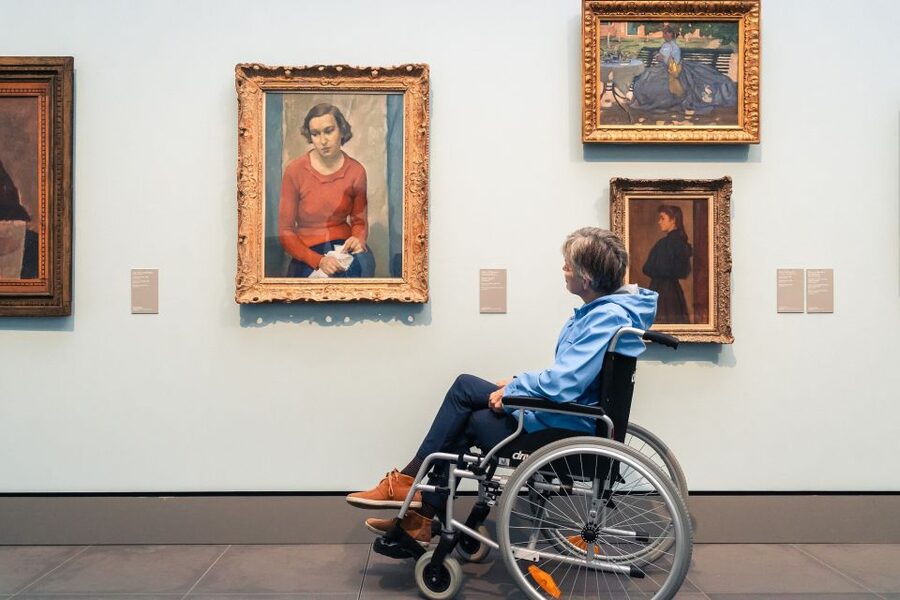
The museum is fully wheelchair accessible through the side entrance. It also has a breastfeeding and diaper-changing room, gender-inclusive restrooms, and a free cloakroom. These details make the museum easier to manage for families and visitors with mobility needs.
Is the $17 ticket good value?
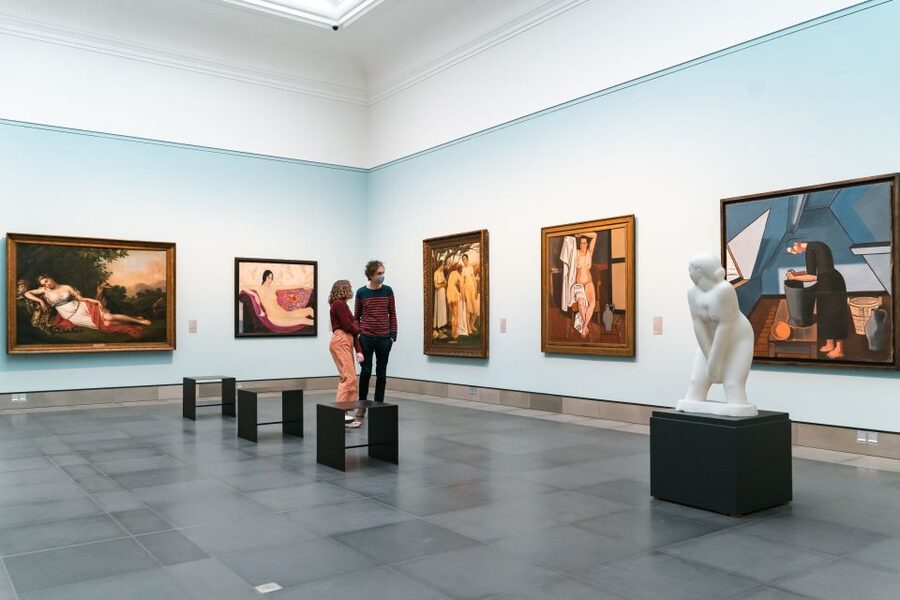
At $17 per person, the ticket is good value if you plan to see the permanent collection, the temporary exhibition, and the restoration workshop. You are paying for a full day rather than a short timed attraction, and the audio guide is included.
The value becomes even better if you enjoy different periods of art. A visitor interested only in modernism may find the older galleries slow going, while someone who likes European painting from the medieval era onward can spend several productive hours here.
The student price can be much lower. A recent French-language note reports a student rate of €4.80, which is excellent for younger visitors, though you should confirm eligibility and the current price before purchase.
One important money-saving point: check the Ghent City Card before buying a separate museum ticket. A booking made for two tickets at €22 each did not automatically include or accommodate two 48-hour City Cards, creating an avoidable loss of value. If you already plan to buy the city card, compare its museum benefits first.
The overall rating is 4.2 from 75 published ratings, which fits my assessment: this is a strong museum with broad appeal, though not every visitor will want a large collection or a long historical route.
Who will enjoy this museum most?
I would recommend the MSK to art lovers who want both famous European names and a clear Belgian focus. It also suits visitors who prefer to set their own pace, since you can use the audio guide selectively and spend as long as you like within the one-day validity.
Families have good support through children’s labels, a family route, small activities, and a children’s audio guide. The park outside also gives you a useful place to pause.
The museum is less suited to anyone seeking a fast, single-masterpiece visit. Even the Ghent Altarpiece restoration deserves time, and the collection covers enough centuries to require some attention. If you have only a short stop in Ghent, choose the galleries that match your interests rather than trying to see everything.
The language options are Dutch, English, and French. That is helpful for many international visitors, but you should not expect audio commentary in every language.
Should you book the Ghent Museum of Fine Arts?
Book it if you want a serious art museum with a strong Belgian identity, a live conservation workshop, and temporary exhibitions included in the same admission. The combination of Bosch, Rubens, Ensor, Magritte, and the Ghent Altarpiece restoration gives you plenty of variety for $17.
Before booking, compare the price with a Ghent City Card and check the temporary exhibition schedule. Bring ID, leave large luggage behind or use the free cloakroom, and reserve at least two hours. If you can visit on the first Thursday evening, the 22:00 closing time may make the museum easier to fit into a busy Ghent itinerary.
FAQ
How much does admission to the Museum of Fine Arts Ghent cost?
The listed price is $17 per person. Student admission may be available at a lower rate, with a recent listed student price of €4.80.
How long is the ticket valid?
The ticket is valid for one day. Starting times and availability are shown when you check the booking details.
What does the ticket include?
Admission includes the permanent collection, temporary exhibitions, the adult audio guide, the children’s audio guide, and the family route with children’s labels and small activities.
Is the Ghent Altarpiece included?
The visit includes access to the restoration of Jan van Eyck’s Ghent Altarpiece in a workshop behind glass inside the museum.
What languages are available for the audio guide?
The audio guide is available in Dutch, English, and French.
Is the museum wheelchair accessible?
Yes. The museum is fully wheelchair accessible through the side entrance.
Can I bring food, drinks, luggage, or an umbrella?
Food and drinks are not allowed inside. Luggage, large bags, and umbrellas are also not permitted in the galleries. A free cloakroom is available for large items and coats.
Is photography allowed?
Photography rules prohibit flash photography.
When does the museum stay open late?
The museum stays open until 22:00 on the first Thursday of each month, often with a separate activities program.
Just added around Ghent
- Ghent Running and Sightseeing Tour★ 5.0 · 3 reviews
- Ghent: Walking Tour from Friday Market to the Cathedral★ 4.8 · 3 reviews
- Ghent Walking Tour – City Highlights and Beyond Tradition★ 4.5 · 3 reviews
- Ghent: City Walk with Audio Guide in 7 Languages on your Phone★ 4.5 · 3 reviews
- Children’s escape game in the city of Ghent Marsupilami★ 5.0 · 3 reviews
- Discover Ghent while playing! Escape game – The Walter case★ 4.5 · 4 reviews
- Discover Ghent while playing! Escape game – The alchemist★ 4.0 · 4 reviews
- e-Scavenger hunt Mons: Explore the city at your own pace★ 5.0 · 4 reviews
Museums, compared.
Atomium Entry Ticket with Design Museum Ticket
Read our review →
Choco-Story Brussels: Chocolate Museum Entrance with Tasting
Read our review →
Choco-Story Chocolate Museum Guided Tour w/Tastings
Read our review →
2.5-Hour Chocolate Museum Visit with Workshop
Read our review →
The World of Banksy Museum Permanent Exhibition
Read our review →
Browse the lists this tour appears in