
Reviewed · MUSEUMS
Bruges: Ticket Groeningemuseum (Groeninge Museum)
Bruges keeps its finest pictures indoors. The Groeninge Museum brings together six centuries of art, from the precise religious panels of Jan van Eyck and Hans Memling to works by Magritte and Delvaux. I especially like the clear sweep through Belgian art and the useful QR-code information that helps you understand what you are seeing. I also like the quiet seating areas, where you can take time with a painting instead of rushing past it.
The main drawback is the museum’s limited day. A recent comment notes that it closes at 17:00, so you need to plan your visit rather than leave it until the end of a long day in Bruges. Also check your booking instructions carefully, since one visitor expected a fixed meeting time rather than an emailed ticket.
In This Review
- Key points about the Groeninge Museum
- Why this small museum matters in Bruges
- The Flemish Primitives: Van Eyck, Memling, and Bosch
- From historical objects to Jacob van Oost
- Bruges neoclassicism and international ambition
- Belgian modernism, expressionism, and the move toward abstraction
- Magritte, Delvaux, and the museum’s modern surprises
- How to get more from the audio guide and QR codes
- Temporary exhibitions and changing displays
- Is the $17 ticket good value?
- Who should book this Bruges museum visit?
- Should you book the Groeninge Museum?
- FAQ
- How long is the Groeninge Museum ticket valid?
- What does the ticket include?
- Can I cancel the booking?
- Can I pay later?
- Are children under 13 admitted free?
- Is the Groeninge Museum wheelchair accessible?
Key points about the Groeninge Museum
- Six centuries in one compact visit: The collection moves from early Flemish painting through neoclassicism, expressionism, modern art, and post-war work.
- Flemish Primitive masterpieces: Jan van Eyck, Hans Memling, and Hieronymus Bosch are the main historical draw.
- Strong Belgian modern art: Look for René Magritte, Paul Delvaux, Georges Van Tongerloo, Raoul De Keyser, and Roger Raveel.
- Helpful interpretation: QR codes and an effective audio guide make the art easier to follow, even if you are not an art specialist.
- Practical facilities: The museum is wheelchair accessible and provides seats for visitors who want more time with the paintings.
- Simple, flexible admission: The $17 ticket is valid for one day, with free tickets for children under 13 available at the box office.
Why this small museum matters in Bruges
The Groeninge Museum is not a giant national collection spread across endless rooms. That is part of its appeal. You can see a clear story about art made in Bruges and elsewhere in Belgium without spending an entire day trying to find your way through a huge building.
The story begins with the Flemish Primitives, the name commonly given to northern European painters working in the 15th and early 16th centuries. Their pictures are known for close attention to faces, fabrics, interiors, jewels, landscapes, and small symbolic details. These painters helped make Bruges one of the key art centers of medieval Europe.
For you, this means the museum rewards slow looking. A first glance may show a religious scene or formal portrait. A longer look reveals tiny details in clothing, architecture, expressions, and objects. The displays give you a chance to see how much these painters could put into a relatively small panel.
The collection then moves forward through later periods. You will find 18th and 19th-century neoclassical art, 19th and 20th-century Belgian painting, Flemish expressionism, and post-war modernism. This range makes the museum useful for more than one kind of art lover. You can come for Van Eyck and Memling, then stay for Magritte, Delvaux, or the lesser-known Bruges artists.
More Museums in Bruges
- Bruges: Choco-Story Chocolate Museum Guided Tour w/Tastings
★ 4.2 · 1,379 reviews - Choco-Story: The Chocolate Museum in Bruges
★ 4.0 · 544 reviews - Bruges: Chocolate Making Workshop and Chocolate Museum Entry
★ 4.6 · 395 reviews
The Flemish Primitives: Van Eyck, Memling, and Bosch
For most people, the early Flemish paintings are the heart of the visit. Jan van Eyck and Hans Memling are the names to look for first. Their art shows why Bruges has such a strong place in European painting.
Van Eyck’s work is prized for its fine surfaces and careful observation. Fabric looks like fabric. Metal catches light. Skin, wood, glass, and stone each have their own visual character. You do not need a specialist background to appreciate the skill, but the details become more rewarding when you use the audio guide or scan the QR information.
Hans Memling represents another major Bruges connection. His work has the calm order and polished finish associated with the city’s great early painters. Look closely at the faces and the arrangement of figures. These are not casual scenes. Every person, gesture, and object has a role.
Hieronymus Bosch adds a different mood. His work is more strange and inventive, with imaginative figures and unsettling details. After the measured beauty of Van Eyck and Memling, Bosch can feel like a jolt. That contrast keeps the early rooms from becoming visually repetitive.
You should give these paintings time. The temptation in any museum is to move from famous name to famous name. Here, a chair or bench can make a real difference. Sit down, read the short explanation, then return to the picture. The museum’s seating has earned specific praise because it lets you study the work without standing the entire time.
From historical objects to Jacob van Oost
The Groeninge collection is not limited to the best-known medieval panels. You will also encounter historical items, flower pictures, and large canvases by Jacob van Oost.
The flower works offer a change of scale and subject. After religious scenes and formal portraits, a carefully arranged group of flowers gives you a different way to think about color, texture, and time. These pieces are also a useful reminder that Belgian art did not develop along one narrow path.
Jacob van Oost’s monumental canvases bring a larger, more theatrical presence to the museum. Their size changes the way you look. Instead of leaning in to inspect a small panel, you step back and take in the full composition. The contrast between intimate early paintings and grand later canvases is one of the collection’s pleasures.
I would not treat these rooms as filler between the famous names. They help you see the changing purpose of painting. Art can serve devotion, record a person’s status, decorate a room, tell a historical story, or simply celebrate beauty.
Bruges neoclassicism and international ambition
The 18th and 19th-century sections introduce artists such as Joseph-Benoît Suvée and Jean Bernard Duvivier. Both began their artistic careers in Bruges and later gained recognition beyond the city.
Neoclassical art often favors clean structure, carefully arranged figures, and subjects drawn from history or ancient culture. You may find the style more formal than the Flemish works, but that formality is useful. It shows how artistic taste changed after the age of Van Eyck and Memling.
Suvée and Duvivier are especially important in the museum’s local story. Their careers show that Bruges was not only looking backward at its medieval glory. Artists from the city also sought wider attention through history painting and polished portraiture.
If you prefer portraits, spend time with the expressions and clothing. If you prefer narrative scenes, look at how the painters direct your eye across the canvas. The museum’s interpretive material can help here, particularly if you have not studied neoclassical art before.
Something different, still within reach of Bruges:
- Bruges: Small Group Boat Cruise and Guided Walking Tour
★ 4.8 · 4,102 reviews - Bruges: Walking Tour, Canal Boat Trip w/Beer Tasting Option
★ 4.4 · 2,759 reviews - Historical Walking Tour: Legends of Bruges
★ 5.0 · 2,541 reviews - From Bruges: Great War Flanders Fields Minibus Tour w/ Lunch
★ 4.9 · 1,257 reviews
Belgian modernism, expressionism, and the move toward abstraction
The later rooms widen the picture again. Edmond van Hove, Ferdinand Khnopff, and Emile Claus represent different directions in Belgian art during the 19th and early 20th centuries.
You will also see Flemish expressionists including Permeke, De Smet, Van de Woestyne, and Brusselmans. Their work can feel less polished and more forceful than the older paintings. Shapes may become heavier, faces more severe, and color more emotional.
This is where the museum asks you to adjust your expectations. If you came only for detailed medieval panels, the expressionist works may seem rough at first. Give them a moment. Their value is not in smooth surfaces or tiny details. It is in mood, physical presence, and the way the artists reshape ordinary subjects.
Khnopff and Claus add further contrast. The collection does not force every artist into one tidy style. Instead, it shows how Belgian painters responded to new ideas about atmosphere, identity, color, and modern life.
Magritte, Delvaux, and the museum’s modern surprises
The Groeninge Museum also has a strong modern section, with major works by René Magritte and Paul Delvaux. These rooms may be the biggest surprise for people who think of the museum as a place devoted only to medieval art.
Magritte’s paintings reward a different kind of attention from Van Eyck’s. Rather than asking you to admire exact surfaces, they make you question what an image means. Familiar objects can become puzzling, comic, or unsettling. The more directly you try to explain a Magritte, the more slippery the picture may become.
Paul Delvaux brings another dreamlike quality. His work often feels quiet and carefully staged, with figures and buildings arranged in a world that seems recognizable but not quite real. The contrast between Delvaux and the Flemish Primitives shows how much Belgian painting changed while still keeping a strong interest in detail and atmosphere.
You will also find several works by Georges Van Tongerloo, along with post-war pieces by Raoul De Keyser and Roger Raveel. These names may be less familiar, but they give the collection a broader reach. They show that the museum is not simply preserving Bruges’ past. It is also presenting the city’s place within modern and contemporary Belgian art.
The complete editions of Marcel Broodthaers’ printed works are another unusual feature. Printed art can be easy to overlook beside large paintings, but Broodthaers’ work adds an important graphic and conceptual side to the collection.
How to get more from the audio guide and QR codes
You can walk through the museum without extra help, but I would not. The audio guide has been praised for being effective, and QR codes provide extra information that can make unfamiliar works easier to appreciate.
You do not need to listen to everything. Choose the artists or paintings that catch your eye. A short explanation can clarify the subject, the artist’s place in Belgian art, or the reason a particular work matters.
The QR system also lets you set your own pace. You can read more about a painting that interests you and move quickly past one that does not. That is better than a fixed lecture where every person must spend the same amount of time on every object.
Seating is another practical help. The museum has chairs where you can sit while reading and looking. If you use a wheelchair, the museum is wheelchair accessible, though you should still allow enough time to move comfortably through the displays.
Temporary exhibitions and changing displays
The Groeninge Museum is not only a permanent collection. It also presents temporary exhibitions, focused displays, and research projects that can lead to shows with international reach.
That matters if you are visiting Bruges more than once. A return visit may offer something different, even if the main collection feels familiar. Temporary displays can also give context to an artist or period that receives less attention in the permanent rooms.
The exact subject of a temporary exhibition is not specified here, so check the current program before you go if this is a major reason for your visit. Treat these displays as a possible bonus, not a guaranteed part of the ticket experience.
Is the $17 ticket good value?
At $17 per person, the ticket is fair value if you care about art. You are not paying for a short photo stop. You are getting access to six centuries of painting, including major Flemish names and an unusually broad selection of Belgian modern art.
The value depends on how you visit. If you rush through in 30 minutes, the price may feel high. If you give the museum a proper block of time and use the audio guide or QR codes, the ticket becomes much easier to justify.
The one-day validity gives you some flexibility, but it does not mean you can wander in at any hour. Starting times may apply, and the museum closes at 17:00 according to a recent visitor comment. Check your selected time and build the museum into the middle of your Bruges day.
Children under 13 can get a free ticket at the box office. Bring a passport or ID card for children, since proof of age may be needed. Large bags and luggage are not allowed, pets are not permitted except assistance dogs, and flash photography is prohibited.
The ticket includes museum entry. It does not list transport, food, or a private guide, so plan those separately.
Who should book this Bruges museum visit?
I would recommend the Groeninge Museum to you if you enjoy painting, Belgian culture, or a well-organized art story. It is particularly good for people who want both famous early works and modern Belgian art in the same visit.
Families can use the free admission option for children under 13, though younger children may prefer a short, focused visit rather than trying to see every room. The audio guide and QR codes give older children and teenagers a way to engage with the art beyond simply looking at pictures.
It also suits visitors who need a slower pace. The chairs and wheelchair access are useful, and the museum does not require you to follow a guide from room to room.
I would think twice if you want a casual, no-planning stop late in the afternoon. The 17:00 closing time leaves little room for delay. I would also confirm the ticket instructions before arrival if you strongly prefer an emailed ticket with no meeting point.
Should you book the Groeninge Museum?
Book it if you want to understand why Bruges matters in European art, not just admire its canals and medieval streets. The early Flemish paintings alone make the visit worthwhile, while Magritte, Delvaux, Broodthaers, and the post-war artists give the museum a welcome modern edge.
The best approach is simple: go before the final hour, use the QR codes or audio guide, and sit with the major paintings instead of racing through. At $17, it is a sound choice for art lovers and a worthwhile indoor break for anyone curious about Belgium’s artistic story.
FAQ
How long is the Groeninge Museum ticket valid?
The ticket is valid for one day. Check availability for the available starting times.
What does the ticket include?
The ticket includes entrance to the Groeninge Museum.
Can I cancel the booking?
Yes. You can cancel up to 24 hours in advance for a full refund.
Can I pay later?
Yes. The reserve now and pay later option lets you book without paying immediately.
Are children under 13 admitted free?
Children under 13 can obtain a free ticket at the museum box office. Bring a passport or ID card for children.
Is the Groeninge Museum wheelchair accessible?
Yes. The museum is wheelchair accessible and has seating that allows you to take your time with the artworks.
Just added around Bruges
- Bruges Beer and Chocolate Walking Tour★ 4.5 · 3 reviews
- Private: Discover Bruges beers & brewery with chocolate pairing by a young local★ 5.0 · 3 reviews
- Best of Brussels Private Tour from Zeebrugge or Bruges★ 4.0 · 3 reviews
- Visit of Bruges in 1 day private tour from Paris★ 5.0 · 3 reviews
- Brussels: Private & Customizable Day Trip to Bruges★ 5.0 · 3 reviews
- Explore the Instaworthy Spots of Bruges with a Local★ 5.0 · 3 reviews
- Bruges: Ticket Volkskundemuseum (Folk Museum)★ 5.0 · 3 reviews
- Bruges; private walking tour with the Beardbarian★ 5.0 · 3 reviews
Museums, compared.
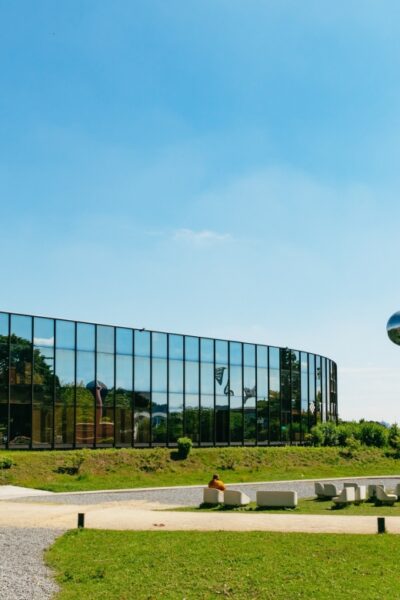
Atomium Entry Ticket with Design Museum Ticket
Read our review →
Choco-Story Brussels: Chocolate Museum Entrance with Tasting
Read our review →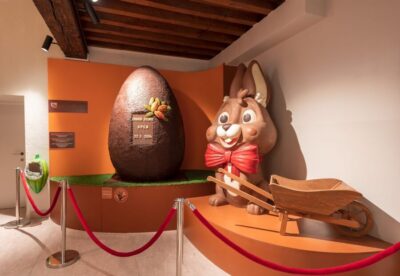
Choco-Story Chocolate Museum Guided Tour w/Tastings
Read our review →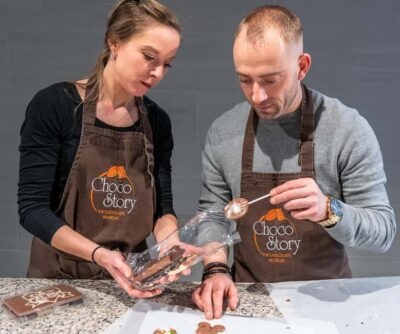
2.5-Hour Chocolate Museum Visit with Workshop
Read our review →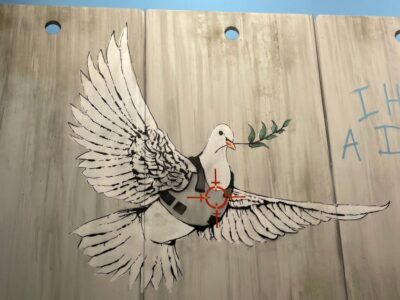
The World of Banksy Museum Permanent Exhibition
Read our review →
Browse the lists this tour appears in