
Reviewed · FLANDERS FIELDS & WWI TOURS
From Bruges: Great War Flanders Fields Minibus Tour w/ Lunch
Some places make history feel uncomfortably close. This full-day trip from Bruges takes you into the former Ypres Salient, where restored trenches, war graves, bunkers, craters, and memorials give shape to the First World War. I like the small-group minibus format, which makes a long day easier and leaves room for questions. I also like the guides’ personal, detailed storytelling, especially when they connect the sites to individual soldiers and local families.
The main drawback is the pace. Nine hours is a long commitment, and the subject matter is often grim. You will walk on uneven ground, spend much of the day outdoors, and the tour is not suitable for children under eight, wheelchair users, or people with mobility impairments. Still, at $130 per person with transport, guiding, and lunch included, I consider it a strong choice for anyone who wants to understand Flanders Fields beyond a museum visit.
In This Review
- Key points to know before you go
- Why this Flanders Fields tour works from Bruges
- Meeting in Bruges at 8:55 AM
- Ypres, or Wipers, and the scale of the war
- Trenches, bunkers, craters, and preserved battlefields
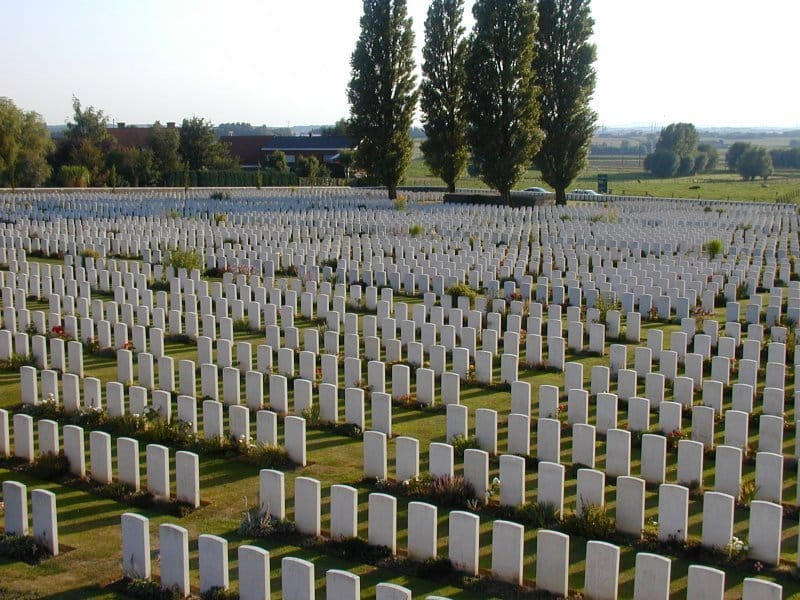
- Cemeteries and the human cost of the Salient
- Lunch at De Dreve and a welcome pause
- Poppies and the changing countryside
- The guide makes or breaks this experience
- Adding the Last Post Ceremony at the Menin Gate
- Is $130 good value?
- Practical advice for making the day easier
- Should you book this Flanders Fields tour?
- FAQ
- Where does the tour meet in Bruges?
- How long does the standard tour last?
- What language is the tour conducted in?
- Is lunch included?
- Can I visit an ancestor’s grave?
- Can I attend the Last Post Ceremony?
- Is the tour suitable for wheelchair users or people with mobility impairments?
Key points to know before you go
- Ypres is the day’s historical anchor: You see the town once known to British soldiers as Wipers, rebuilt after its near-total destruction in the First World War.
- The stops cover more than the famous memorials: Expect restored trenches, war cemeteries, Polygon Wood, Passchendaele, Hill 60, bunkers, craters, and key monuments.
- Guides bring local detail: Philippe, Phillip, Lucas, Peter, and other guides are praised for clear explanations, personal stories, and a respectful approach to both sides of the conflict.
- Lunch is part of the plan: The meal is served at De Dreve or another stop, with a museum visit possible at the lunch location. Drinks cost extra.
- The Menin Gate option is worth planning: You can stay in Ypres for the Last Post Ceremony until 8 PM and return to Bruges by taxi for an additional €35 per person, with at least two people required.
- Comfortable shoes matter: The minibus is air-conditioned, but several stops involve walking over uneven ground and exposed field paths.
Why this Flanders Fields tour works from Bruges
Bruges is a fine base for exploring Belgium’s canals, squares, and medieval buildings, but it can leave the First World War feeling distant. This trip changes that. You leave the polished center of Bruges and spend the day in West Flanders, where the war altered towns, farms, roads, and family life for generations.
The tour focuses on the Ypres Salient, an area held by Allied forces that pushed into German-held territory around Ypres. The route does not ask you to absorb the subject from labels in a museum. Instead, the guide explains what happened while you are standing at the places involved.
That approach matters. A trench is easier to understand when you hear how it fitted into the wider front. A cemetery feels different when you learn the age of the people buried there. A memorial becomes more than a large stone structure when the guide tells you how names were recorded and why some soldiers have no known grave.
The rating of 4.9 from 1,257 ratings reflects a very consistent experience, particularly in the guiding. The strongest praise centers on the passion and care of the guides, not on flashy attractions. That is exactly what you want on a battlefield tour.
More Flanders Fields and WWI trips:
- Flanders Fields Remembrance Tour from Bruges
★ 4.5 · 207 reviews - From Bruges: Flanders Fields Remembrance Full-Day Trip
★ 4.8 · 65 reviews - Dunkirk Operation Dynamo Battlefield tour from Ypres,Arras, Bruges or Lille
★ 5.0 · 6 reviews
Meeting in Bruges at 8:55 AM
The meeting point is outside the Grand Hotel Normandy at Hoefijzerlaan 37. You should be there by 8:55 AM. The return to Bruges is normally around 6:15 PM, with a possible variation of about 15 minutes.
That timing gives you a full day in the field, but it also means you should avoid booking a tight evening reservation or a train soon after the scheduled return. If you plan to stay for the Last Post Ceremony, you will return much later, around 9:15 PM.
If your hotel is more than a 10-minute walk from the meeting point, call the operator at least 24 hours before departure to arrange another pickup time and location. The instructions specifically favor calling rather than emailing, since the phone is generally answered while office email may not be monitored continuously.
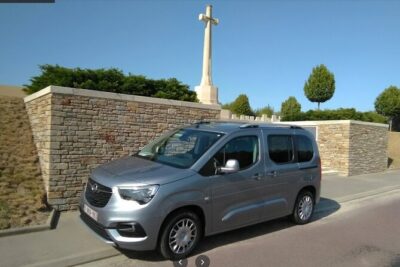
The air-conditioned minibus is an important part of the experience. You get regular breaks from the weather and from the serious subject matter. The vehicle is described as comfortable, and frequent stops keep the day from becoming nine straight hours of sitting.
Ypres, or Wipers, and the scale of the war
Ypres is not simply a quick photo stop. It gives you the setting for the whole day. The town was completely destroyed during the war and later rebuilt using a medieval plan. Its old-looking appearance can hide the fact that much of what you see is reconstructed.
British and Commonwealth troops called Ypres Wipers, a practical nickname born from the difficulty of pronouncing the French-style name. The town became strategically important after German forces invaded Belgium and used the country as a route toward France from the north.
Your guide places Ypres within the wider conflict, explaining how the town and surrounding front became a key point in the war. This wider context is one of the tour’s strengths. You are not just moving from one cemetery to another. You are learning why the area mattered and how military decisions affected the people living there.
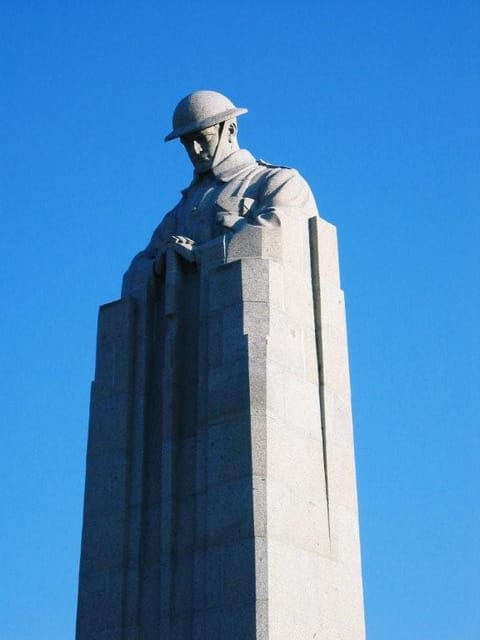
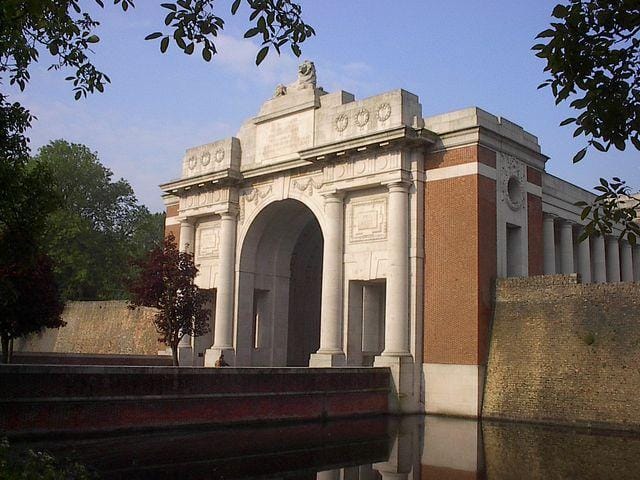
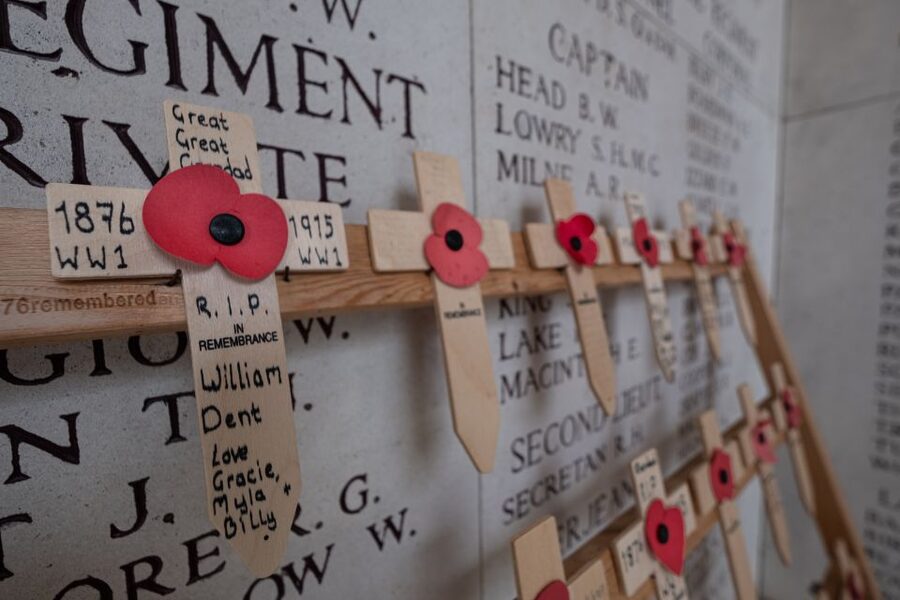
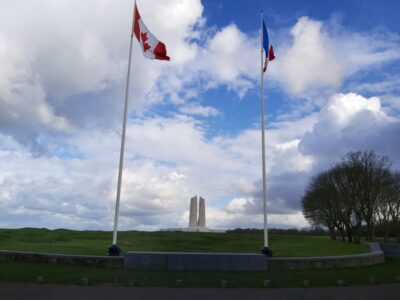
The day also includes the Menin Gate Memorial to the Missing. Its location is significant: it marks the route through which many soldiers left Ypres for the front. The memorial carries the names of about 55,000 missing soldiers.
That number is hard to grasp until you are inside the structure, looking at the long lists of names. If you are researching a relative, ask ahead of time. Guides have helped people locate family names and identify the relevant panel. Several visitors with ancestors in the war received special assistance with grave visits and memorial records.
Trenches, bunkers, craters, and preserved battlefields
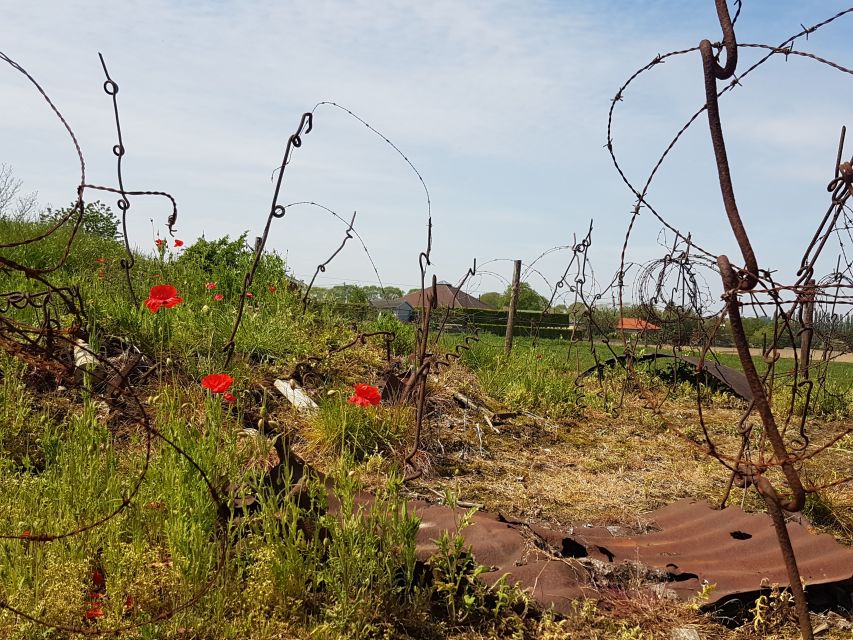
The tour’s best feature is its variety. You are not confined to one formal memorial or museum. The route shows how the war occupied the ground itself.
At restored trenches, you can see the cramped defensive systems that shaped daily life for soldiers. These remains make the language of trench warfare more concrete. You can better picture how movement, shelter, and exposure affected the people who fought there.
Hill 60 is another major stop. This preserved battlefield includes craters and bunkers, and several people single it out as the day’s highlight. The ground still shows the violence of artillery and underground mining. It is a place where the physical evidence is especially strong.
The tour also visits Polygon Wood and Passchendaele, including war graves connected to the fighting. These stops give you a sense of the scale of the cemeteries and the number of nationalities involved. The guide explains the role of different countries during the conflict rather than presenting the war from only one national viewpoint.
That balance is valuable. The guides discuss Allied and German forces with equal seriousness, while keeping the focus on the human cost. The tone is respectful rather than theatrical. You may hear individual stories about young soldiers, brothers, and families who continued to feel the effects long after the guns stopped.
Do not expect every stop to be physically easy. The tour is not suitable for wheelchair users or people with mobility impairments. Comfortable shoes and weather-appropriate clothing are essential. You should be ready for outdoor walking, uneven surfaces, and changing conditions.
A few more trips and experiences worth a look
- Brussels: Hard Rock Cafe with Set Menu for Lunch or Dinner
★ 4.5 · 460 reviews - Brussels: Walking Tour with Belgian Lunch, Chocolate, & Beer
★ 4.7 · 300 reviews - Hard Rock Cafe Brussels with Set Lunch or Dinner
★ 4.0 · 44 reviews
Cemeteries and the human cost of the Salient
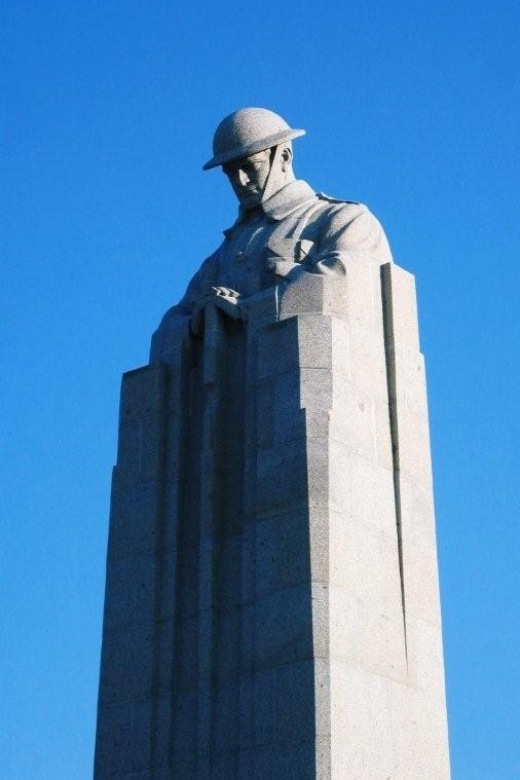
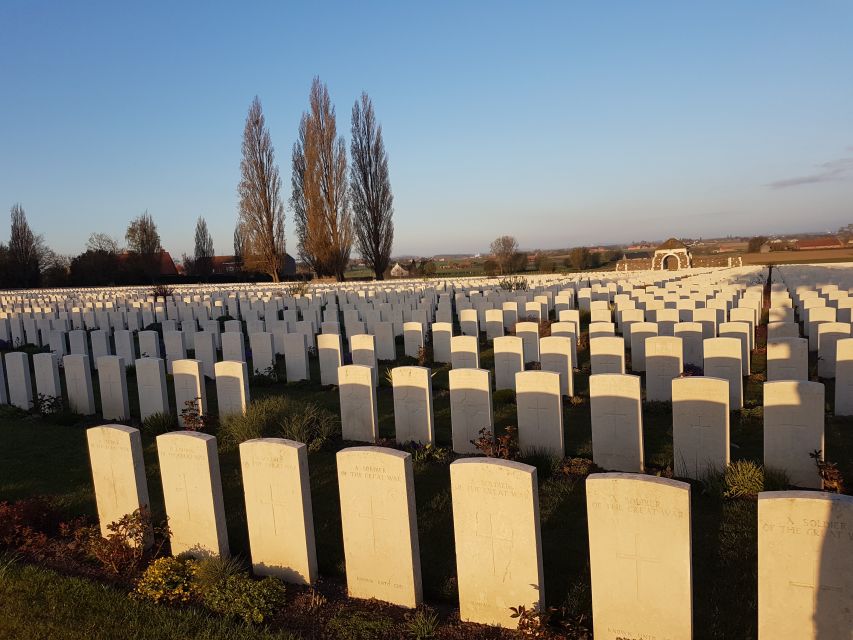
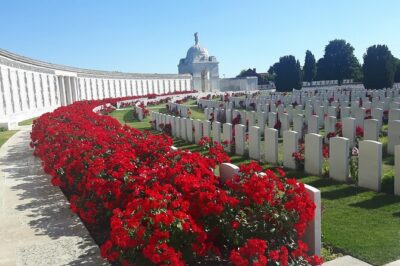
The war cemeteries around Passchendaele and Polygon Wood are carefully maintained, quiet places. Their order can feel almost unreal after hearing about the destruction of the battles.
This contrast is part of what makes the visits powerful. Rows of graves show the scale of the losses, but the guide’s stories bring the numbers back to individual lives. The strongest moments often come from small details: a soldier’s age, a family connection, or the short time between arrival at the front and death.
If you have an ancestor buried in the Ypres Salient, contact the operator well before the tour. An ancestor’s grave can sometimes be added to the route when the location fits the day’s schedule. This is not a casual last-minute request, since the guide needs time to check the site and arrange the route.
The personal element has made a major difference for people visiting a great-uncle’s grave or tracing a parent’s wartime service. One guide even helped locate family names on the Menin Gate website during the day. If genealogy is your main reason for visiting, send full details early and be clear about the cemetery or memorial you hope to see.
Lunch at De Dreve and a welcome pause
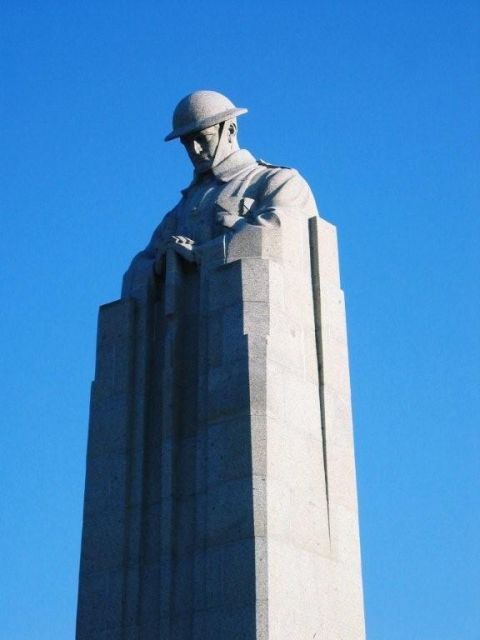
Lunch is included at De Dreve or an alternative stop. The food is described as simple but enjoyable, and the break gives you time to rest, use facilities, and process the morning.
The lunch stop may include a museum visit, which adds another layer without turning the day into a museum-heavy tour. A local host named Johan has been praised for sharing additional information about the First World War at the pub and museum stop.
Drinks are not included, so budget for those separately. It is also sensible to carry a small amount of change for bathroom stops. Some facilities charge €0.50 and may not accept cards.
This is not a culinary tour. The value of the lunch lies in convenience and timing. You do not have to search for food in an unfamiliar area, and the meal breaks up a demanding schedule. If you have dietary needs, ask the operator before booking, since no specific dietary arrangements are given here.
Poppies and the changing countryside
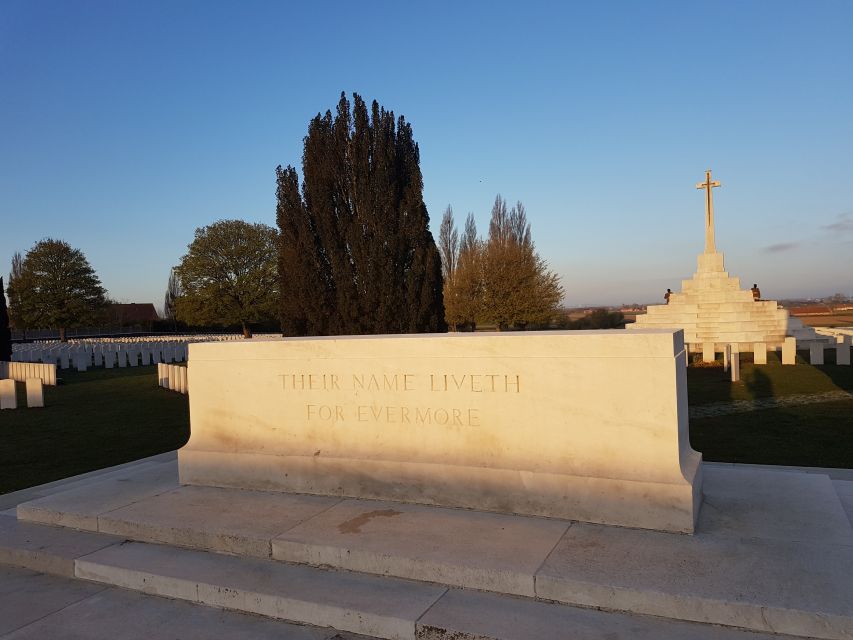
The minibus route also takes you through the countryside around Flanders Fields. When poppies are in season, you may see the flowers that became one of the most lasting symbols of the war.
The timing of the flowers is not guaranteed. A winter or late-season visit can still be worthwhile, and one guide was specifically praised for taking people out during the off-season. Just come for the history first, not for a guaranteed field of red.
The views between stops offer a useful pause. You see farms and roads rather than a battlefield preserved as one large park. That can make the story harder to picture, but it also shows how ordinary life has continued over former war zones. Your guide helps connect the modern countryside with the events beneath it.
The guide makes or breaks this experience
A battlefield route can become a list of dates and names. Here, the guide is the central feature. Philippe and Phillip receive repeated praise for their command of the subject, while Lucas is described as a local historian with particular care for family research and New Zealand-related sites. Peter and other guides are also praised for being friendly, clear, and attentive.
The best guides combine three things:
- Clear structure: The stops build a broad picture of the Ypres Salient instead of presenting disconnected facts.
- Individual stories: Personal accounts make the war easier to understand without making the day feel like a classroom lecture.
- Respect for all sides: The explanations include the German and Allied experience, while making no attempt to soften the destruction.
The delivery is not uniformly solemn. Guides use gentle humor at suitable moments, which helps you stay focused during a long day. The tone remains sensitive, especially when discussing young soldiers and family loss.
Because this is a live English-language tour, you should be comfortable listening to extended explanations in English. The amount of information can be substantial, but the guides are praised for making it accessible.
Adding the Last Post Ceremony at the Menin Gate
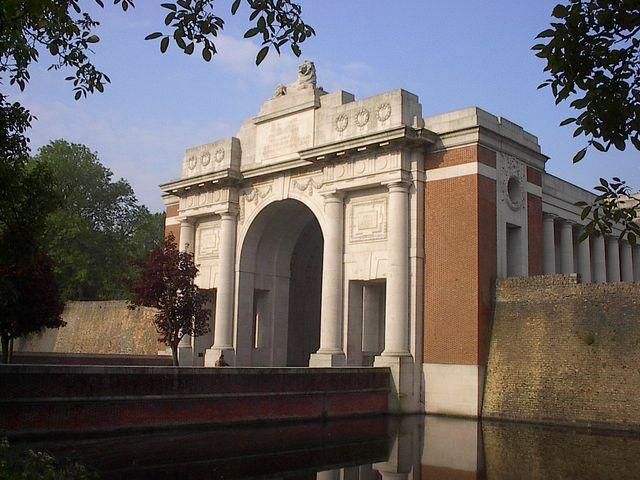
The optional Last Post Ceremony is one of the best additions to the day. You stay in Ypres until 8 PM, attend the ceremony beneath the Menin Gate, and return to your Bruges hotel by taxi around 9:15 PM.
There is an additional charge of €35 per person, and at least two people are required with the day tour. The fee is preferably paid in cash on the day. Seats are limited, so request the option well in advance rather than asking on the morning of the tour.
The ceremony is short, but its setting gives it weight. After spending the day learning why soldiers passed through the gate toward the front, you return there for a formal act of remembrance. I recommend it if your schedule allows, but remember that the late return turns an already long day into an evening commitment.
Is $130 good value?
At $130 per person, this is not the cheapest way to see the area. You are paying for a nine-hour day, an air-conditioned minibus, a guide, lunch, and a carefully arranged route covering sites that would be difficult to connect by public transport.
The value is strongest if you want interpretation. You could visit some memorials independently, but you would need to research the sites, plan transport, find opening times, and understand how the locations relate to each other. You would also miss the guide’s local stories and the chance to request an ancestor’s grave visit as part of the route.
The price is less attractive if you prefer to move slowly, spend hours at one cemetery, or explore without commentary. This is a structured day with many stops. You get breadth and explanation rather than unlimited time at each place.
Practical advice for making the day easier
Wear sturdy, comfortable shoes. Some sites involve uneven paths, and the tour is not designed for people with limited mobility.
Dress for the weather. You will spend time outside in open areas, and the countryside can feel exposed. The minibus provides shelter, but you should not expect to remain indoors at every stop.
Bring cash for drinks, paid bathrooms, and the optional Last Post return. Smoking is not allowed on the minibus.
If you are researching a relative, prepare the soldier’s name, regiment, service number if available, and cemetery details before contacting the operator. Early notice gives the guide a better chance of fitting the visit into the route.
Keep your evening free unless you are certain you will skip the ceremony. The standard return is around 6:15 PM, but even that can shift by about 15 minutes.
Should you book this Flanders Fields tour?
Book it if you want a serious, well-explained introduction to the First World War around Ypres without renting a car or building your own battlefield route. It suits adults, older children over eight, family groups tracing relatives, and anyone with a strong interest in military or social history.
I would especially recommend it to people who value stories over display cases. The combination of Hill 60, trenches, cemeteries, Polygon Wood, Passchendaele, Ypres, and the Menin Gate gives you a broad understanding of the area in one day.
Skip it if you need a relaxed sightseeing schedule, have difficulty walking on uneven ground, or prefer independent exploration. For everyone else, the strong guiding, comfortable transport, included lunch, and optional Last Post Ceremony make this one of the more useful historical day trips from Bruges.
FAQ
Where does the tour meet in Bruges?
The meeting point is outside the Grand Hotel Normandy at Hoefijzerlaan 37. You should arrive by 8:55 AM.
How long does the standard tour last?
The tour lasts about nine hours. You will usually return to Bruges around 6:15 PM, although the arrival can vary by about 15 minutes.
What language is the tour conducted in?
The live tour is conducted in English.
Is lunch included?
Yes. Lunch is provided at De Dreve or an alternative stop. Drinks are not included.
Can I visit an ancestor’s grave?
Possibly. You must request this well in advance, and the grave must be in the Ypres Salient and fit the day’s route.
Can I attend the Last Post Ceremony?
Yes, if you request it in advance and seats are available. You can remain in Ypres until 8 PM and return to your Bruges hotel by taxi around 9:15 PM. The added cost is €35 per person, with a minimum of two people.
Is the tour suitable for wheelchair users or people with mobility impairments?
No. The tour is not suitable for wheelchair users or people with mobility impairments. Comfortable shoes and weather-appropriate clothing are recommended.
Just added around Bruges
- Bruges Beer and Chocolate Walking Tour★ 4.5 · 3 reviews
- Best of Brussels Private Tour from Zeebrugge or Bruges★ 4.0 · 3 reviews
- Private: Discover Bruges beers & brewery with chocolate pairing by a young local★ 5.0 · 3 reviews
- Visit of Bruges in 1 day private tour from Paris★ 5.0 · 3 reviews
- Brussels: Private & Customizable Day Trip to Bruges★ 5.0 · 3 reviews
- Explore the Instaworthy Spots of Bruges with a Local★ 5.0 · 3 reviews
- Bruges: Ticket Volkskundemuseum (Folk Museum)★ 5.0 · 3 reviews
- Bruges; private walking tour with the Beardbarian★ 5.0 · 3 reviews
Flanders Fields & WWI Tours, compared.
Flanders Fields Remembrance Tour from Brussels
Read our review →
In Flanders Fields and Passchendaele Half Day Morning Tour
Read our review →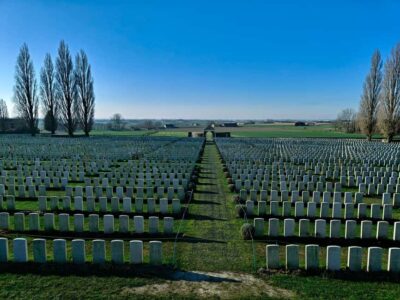
An exploration of the deadly salient battlefields
Read our review →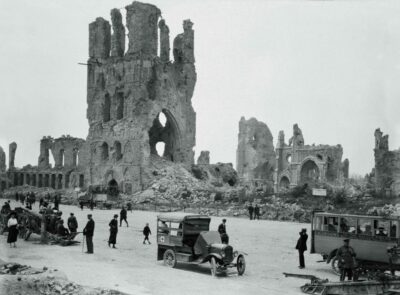
Remembrance Tour: The Battle of the Bulge in the Ardennes
Read our review →Browse the lists this tour appears in