
Reviewed · FLANDERS FIELDS & WWI TOURS
Flanders Fields Remembrance Tour from Bruges
History feels different when you can walk through it. This 10-hour-30-minute tour from Bruges links trenches, cemeteries, battlefields, museums, and memorials across the Flanders region, finishing with the daily Last Post Ceremony at Ypres’ Menin Gate. I especially like the expert commentary and the careful mix of famous sites with quieter places such as Essex Farm and the German cemetery at Vladslo.
I also like the way the day builds toward the Last Post, rather than treating it as just another stop. The main drawback is the length: this is a packed day with plenty of time on a coach, and the vehicle may be a large bus rather than the advertised minivan. Bigger groups can also make it hard to hear the guide.
In This Review
- Key points at a glance
- Why this Bruges day trip matters
- Vladslo German Military Cemetery and Käthe Kollwitz
- The Trench of Death and the Brooding Soldier
- Lunch and the route toward Ypres
- Passchendaele and the cost of a name
- Hill 60 and the ground beneath the battle
- Essex Farm, bunkers, and In Flanders Fields
- The Flanders Fields Museum and Ypres
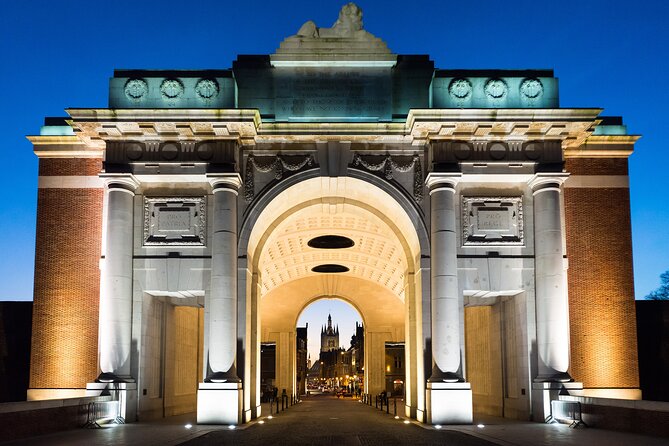
- The Last Post at Menin Gate
- Guides, vehicles, and group size
- Is $95.34 good value?
- Who should book this tour?
- Should you book the Flanders Fields Remembrance Tour?
- FAQ
- Where does the tour start?
- Where does the tour end?
- How long does the tour last?
- Is lunch included?
- Is hotel pickup and drop-off provided?
- Can I cancel for a full refund?
Key points at a glance
- The Last Post gives the day its emotional focus: The 30-minute ceremony at Menin Gate is a simple, daily tribute to Commonwealth soldiers who remain missing after battle.
- You see several sides of the war: The route includes a German cemetery, Commonwealth cemeteries, trenches, bunkers, a battlefield park, and a museum.
- The Trench of Death brings the front line close: This preserved section near Diksmuide helps you picture the cramped, dangerous conditions faced by soldiers.
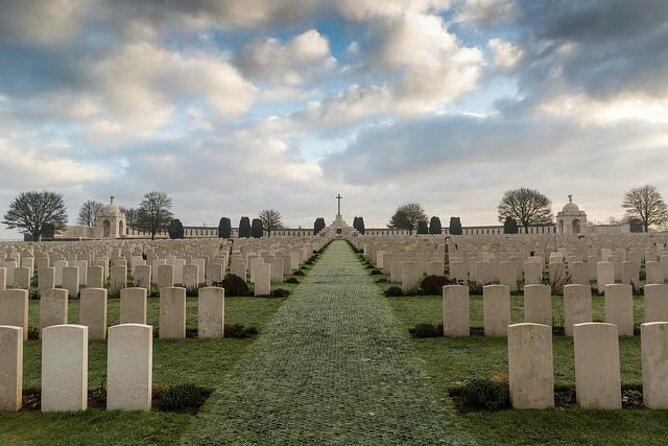
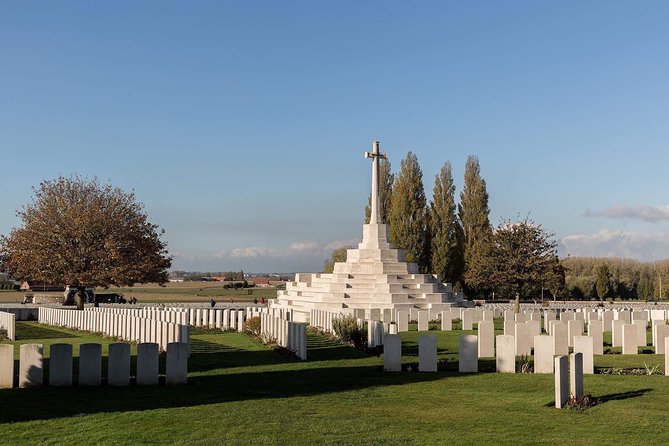
- Tyne Cot is the largest Commonwealth cemetery: Its many rows of headstones make the scale of the losses impossible to ignore.
- Guides are a major strength: Guides such as Diederiek Naeyaert, Stefan, and Dedrick have been praised for bringing military history to life with calm, detailed explanations.
- Plan for a full day: The tour starts at 11:00 a.m. at Bargeplein in Bruges and returns to the same meeting point after the evening ceremony.
Why this Bruges day trip matters
Flanders Fields is not one single battlefield or memorial. It is a broad area where the First World War left cemeteries, shell-damaged towns, trenches, bunkers, monuments, and carefully preserved memories. A good tour needs to connect those places, and this one does that in a logical arc.
You begin with burial sites and battlefield remains, spend the middle of the day around Ypres and Passchendaele, then finish with a public act of remembrance. That structure gives the day a clear purpose. You are not simply ticking off attractions. You are moving from the human cost of war toward the ceremony created to remember it.
The subject is solemn. Expect stories about mass death, gas attacks, missing soldiers, medical stations, and battles where thousands died for small gains. I would not choose this outing for light sightseeing, but if you want to understand the First World War beyond dates and names, it offers a useful and powerful introduction.
More Flanders Fields and WWI trips:
- From Bruges: Great War Flanders Fields Minibus Tour w/ Lunch
★ 4.9 · 1,257 reviews - From Bruges: Flanders Fields Remembrance Full-Day Trip
★ 4.8 · 65 reviews - Dunkirk Operation Dynamo Battlefield tour from Ypres,Arras, Bruges or Lille
★ 5.0 · 6 reviews
Vladslo German Military Cemetery and Käthe Kollwitz
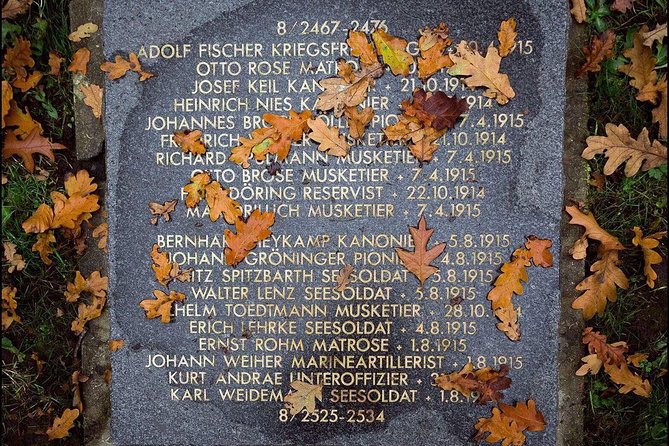
The first major stop is the German Military Cemetery at Vladslo, near the traditional town of the same name. Thousands of German soldiers are buried here, making it an important counterpoint to the Commonwealth sites later in the day.
The cemetery is known for Käthe Kollwitz’s sculpture The Grieving Parents. Kollwitz created the work after her son Peter was killed in the war. The figures are not triumphant or heroic. They are parents bowed by grief, which gives the memorial a private, human force.
I value this early stop because it prevents the day from becoming a story told from only one national viewpoint. The war consumed young men from many countries, and the German cemetery makes that plain from the beginning.
You will have several stops during the day, so time at each site is limited. Listen closely to the guide before walking away from the group, since the explanations provide much of the meaning behind what you are seeing. The cemetery itself is quiet and restrained, and it rewards a slower pace, but the schedule may not allow as much personal reflection as you would like.
The Trench of Death and the Brooding Soldier
Near Diksmuide, you visit the Trench of Death, one of the preserved sections of the Western Front. The name is blunt, and the place helps explain why. Trenches offered protection from fire, but they were also narrow, exposed, wet, and dangerous.
This is one of the most useful stops for anyone who has trouble picturing trench warfare. Photographs and diagrams can make the front seem abstract. Standing beside a surviving trench section gives you a clearer sense of how close soldiers lived to danger.
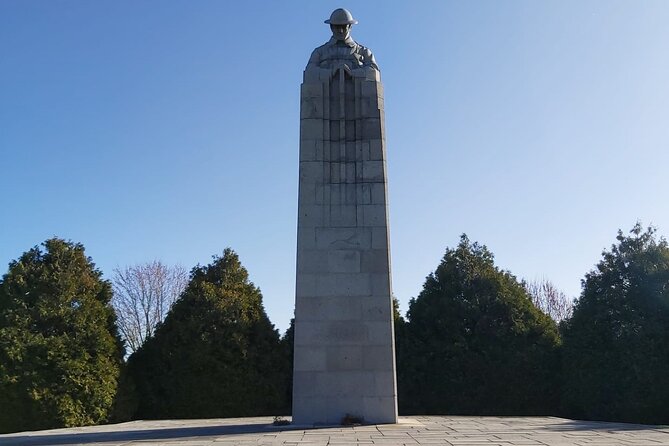
The nearby Brooding Soldier monument commemorates the sacrifice of 2,000 Canadian soldiers during the first German gas attack. Its posture is thoughtful rather than grand. That quiet mood fits the subject better than a dramatic battlefield statue would.
You should expect walking on uneven ground at some points. The tour asks for a moderate level of physical fitness, though it is not presented as a strenuous hike. Comfortable shoes are a sensible choice, and you should be prepared for changing weather in an outdoor setting.
Lunch and the route toward Ypres
Lunch is a practical part of a long day, but the details need checking before you book. The published inclusions list does not include lunch, while several accounts describe a simple or hearty meal, sometimes with a drink, at a local restaurant or museum cafe. One departure included a plowman’s lunch, and another stopped at the Hooge Crater Museum cafe.
That inconsistency matters. At about $95.34 per person, the outing can still offer good value even if you buy lunch separately, but you should not assume a meal is included unless your booking confirmation says so.
The lunch break also gives you a chance to talk with people from different countries and compare impressions. The subject matter is heavy, so a relaxed meal helps break up the day before the afternoon’s cemeteries and memorials.
A few more trips and experiences worth a look
- Bruges: Small Group Boat Cruise and Guided Walking Tour
★ 4.8 · 4,102 reviews - Bruges: Walking Tour, Canal Boat Trip w/Beer Tasting Option
★ 4.4 · 2,759 reviews - Historical Walking Tour: Legends of Bruges
★ 5.0 · 2,541 reviews - Bruges: Choco-Story Chocolate Museum Guided Tour w/Tastings
★ 4.2 · 1,379 reviews
Passchendaele and the cost of a name
After lunch, the route reaches Passchendaele, linked to one of the bloodiest battles of the First World War. The name has become shorthand for mud, artillery, exhaustion, and enormous casualties. The modern town is peaceful and traditional, a sharp contrast with the fighting that took place here.
That contrast is one of the strongest features of the excursion. You can look at an ordinary town and then hear what happened beneath and around it. The calm present does not erase the past, but it makes the scale of the destruction harder to grasp.
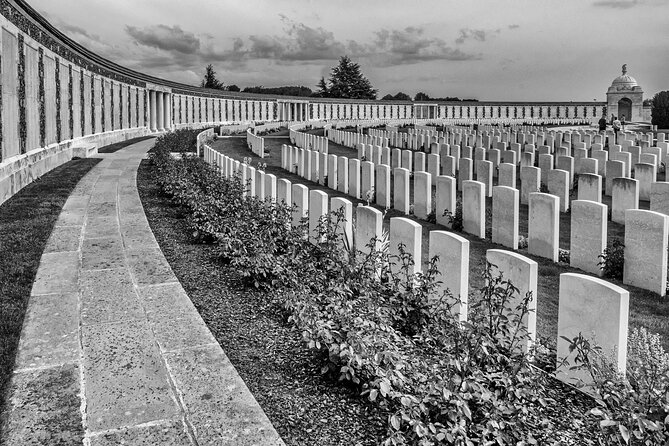
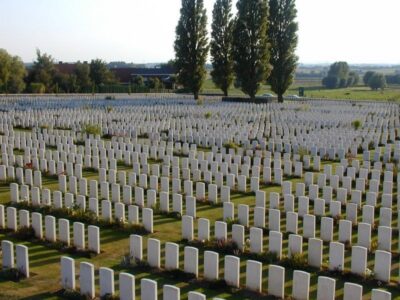
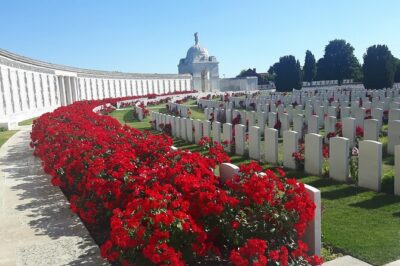
The itinerary includes Passchendaele New British Cemetery and a visit to Tyne Cot, the world’s largest Commonwealth cemetery. Tyne Cot is often the moment when the numbers become physical. Rows of pale headstones stretch across the grounds, while the cemetery’s memorial walls record names of soldiers with no known grave.
Accounts of the day vary on how much time is available at Tyne Cot and the Passchendaele area. Some people want longer here, especially at the cemetery and museum. If you have a strong family connection to the battle, a separate visit may allow more time, but the guided tour gives you valuable context and covers several places that would be difficult to connect by public transport in one day.
Hill 60 and the ground beneath the battle
Hill 60, in the Zwarteleen area of Zillebeke, is a battlefield memorial site and park. The name sounds modest, but this raised ground had major military value. The stop includes views of tunnels that played an important part in the fighting.
Hill 60 helps you understand that the war was not fought on a flat, featureless stage. Small rises, roads, rail lines, drainage routes, and village edges could decide where armies built defenses and launched attacks. The guide’s explanation is especially useful here because the physical remains alone do not tell the whole story.
The day includes several cemeteries and memorials, and some people may find the number repetitive. I see the repetition as part of the lesson: the war did not produce one tragic site, but hundreds of them. Still, if you prefer a slower visit with long periods at each location, this fast-moving route may feel crowded with information.
Essex Farm, bunkers, and In Flanders Fields
At Essex Farm Cemetery, you see the dressing station where Dr. John McCrae wrote In Flanders Fields. The setting connects medical work, personal loss, and poetry in a direct way.
The stop is short, listed at about 15 minutes, so you will not have a long period to wander. Even so, it is an important pause in the itinerary. The bunkers and cemetery show the war from the medical side, where doctors and nurses dealt with shattered bodies while trying to keep men alive near the front.
The poem is familiar to many people, but seeing the place associated with its creation can change how you hear its words. The poem is not just a classroom text here. It becomes part of a larger story about remembrance, grief, and the way later generations choose to remember the dead.
The Flanders Fields Museum and Ypres
The Flanders Fields Museum in Ypres adds artifacts and personal stories to the outdoor sites. An audio-guided visit helps explain the war’s progress and its effect on the region.
Ypres is central to the day because the city was heavily damaged during the war and later rebuilt. One account notes that many buildings date from after the war but look original, which can make the city feel like both a reconstruction and a memorial.
The museum is an important part of the route, but opening conditions can affect the plan. It was closed during one visit, and the Menin Gate has also undergone refurbishment at times. If either site is especially important to you, check current conditions before departure and understand that outdoor stops may replace indoor time.
The Last Post at Menin Gate
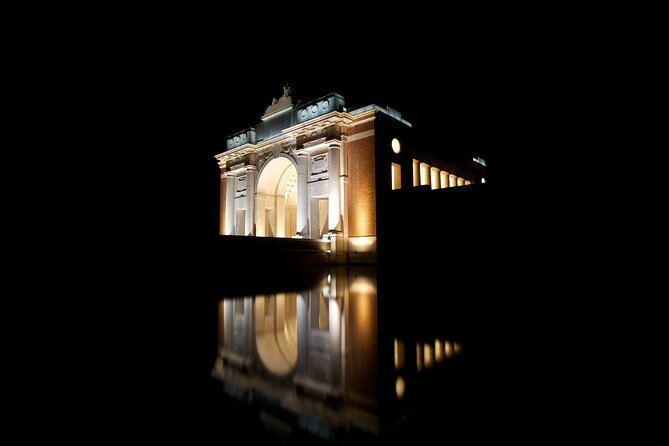
The final stop is the Last Post Ceremony at Ypres’ Menin Gate. This daily tribute remembers Commonwealth soldiers and officers who went missing after battle. The ceremony is free and lasts about 30 minutes.
This is the emotional high point of the tour. The ceremony is not a theatrical show. Its power comes from the plain setting, the formal music, and the repeated act of remembrance. The simplicity leaves room for you to think about the names and stories encountered during the day.
The timing is important. The tour is built around reaching Ypres for the ceremony, so the day can run into the evening. You return to Bruges afterward, rather than staying in Ypres. One account describes the ceremony as especially moving even when construction work affected the Menin Gate, but I would check for current restoration work if you have flexibility in your schedule.
Guides, vehicles, and group size
The guide can make or break a history tour, and this is where the experience earns much of its praise. Diederiek Naeyaert has been singled out for his detailed command of First World War events, while guides named Stefan and Dedrick were also praised for clear, respectful commentary and the ability to answer questions.
The best guides on this route do more than recite battle dates. They explain why a location mattered, connect one stop to the next, and keep the subject serious without making the day dull. A light touch of humor may appear during the long drive, but the tone remains respectful.
The transport description deserves a careful note. The experience is described as using a comfortable, air-conditioned minivan or vehicle, but some departures have used a much larger coach. One person specifically found the large bus unsuitable for a child prone to motion sickness, and another found a group of 27 too large for easy listening, despite an expectation of a smaller group.
The stated maximum is 200 people, so group size can vary. Ask the provider about the planned vehicle if a minivan is important to you. A coach can be comfortable, especially on a full-day route, but a large group may make guide commentary harder to hear at outdoor stops.
Is $95.34 good value?
At $95.34, this is a strong value if you want an overview of the Flanders battlefields from Bruges. You receive transport, a professional multilingual guide, and access to a large number of sites in a single day. Reaching Vladslo, Diksmuide, Passchendaele, Hill 60, Essex Farm, Tyne Cot, Ypres, and Menin Gate independently would require careful planning and several transport connections.
The value is less clear if you want extended time at just one or two locations. The tour covers a lot of ground, and some stops are brief. You may leave wishing you had more time at Tyne Cot, the Passchendaele area, or the museum.
Lunch is not clearly covered in the listed inclusions, so budget for that unless your confirmation says otherwise. Hotel pickup and drop-off are also not included. You meet at Bargeplein, Bargeweg, in central Bruges, and the tour ends back there.
Free cancellation is available up to 24 hours before the start time. The tour requires a minimum number of participants, so if it is canceled for that reason, you are offered another date or a full refund.
Who should book this tour?
I would choose this excursion if you have one day in Bruges and a serious interest in the First World War. It suits first-time visitors to the battlefields, families tracing military history, and anyone who wants an informed guide rather than a self-guided visit.
It is also a good match if the Last Post Ceremony is high on your list. The schedule is designed around it, and finishing at Menin Gate gives the day a clear emotional purpose.
I would think twice if you dislike long coach days, need a small group, or want complete control over your time. People with motion sickness should ask about the vehicle in advance. You should also prepare for outdoor walking, uneven surfaces, solemn subject matter, and a late return to Bruges.
Should you book the Flanders Fields Remembrance Tour?
Yes, if you want the broadest possible introduction to the Flanders battlefields in one day. The strongest reasons are the expert guides, the range of sites, and the Last Post Ceremony, which gives the history a human ending rather than leaving you with a list of dates.
Book it knowing that this is a full, sometimes crowded day. Confirm the vehicle and lunch arrangements, wear comfortable shoes, and accept that some stops will feel too short. If you can make room for those limits, the tour offers a thoughtful connection to the soldiers, civilians, and families affected by the Great War.
FAQ
Where does the tour start?
The tour starts at Bargeplein, Bargeweg, 8000 Brugge, Belgium. The meeting time is 11:00 a.m.
Where does the tour end?
The activity ends back at the same meeting point in Bruges.
How long does the tour last?
The tour lasts approximately 10 hours and 30 minutes.
Is lunch included?
The listed inclusions do not include lunch. Some departures have provided a simple or hearty meal at a local restaurant or museum cafe, so check your booking confirmation for the arrangements on your date.
Is hotel pickup and drop-off provided?
No. Hotel pickup and drop-off are not included. You must make your own way to the central Bruges meeting point.
Can I cancel for a full refund?
Yes. You can cancel at least 24 hours before the experience start time for a full refund. Cancellations or changes made less than 24 hours before the start time are not accepted for a refund.
Just added around Bruges
- Bruges Beer and Chocolate Walking Tour★ 4.5 · 3 reviews
- Private: Discover Bruges beers & brewery with chocolate pairing by a young local★ 5.0 · 3 reviews
- Best of Brussels Private Tour from Zeebrugge or Bruges★ 4.0 · 3 reviews
- Visit of Bruges in 1 day private tour from Paris★ 5.0 · 3 reviews
- Brussels: Private & Customizable Day Trip to Bruges★ 5.0 · 3 reviews
- Explore the Instaworthy Spots of Bruges with a Local★ 5.0 · 3 reviews
- Bruges: Ticket Volkskundemuseum (Folk Museum)★ 5.0 · 3 reviews
- Bruges; private walking tour with the Beardbarian★ 5.0 · 3 reviews
Flanders Fields & WWI Tours, compared.
Great War Flanders Fields Minibus Tour w/ Lunch
Read our review →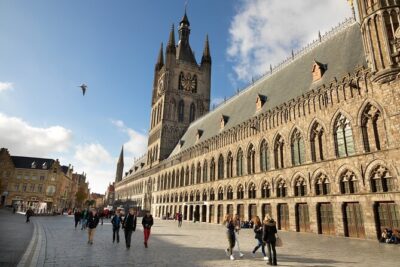
Flanders Fields Remembrance Tour from Brussels
Read our review →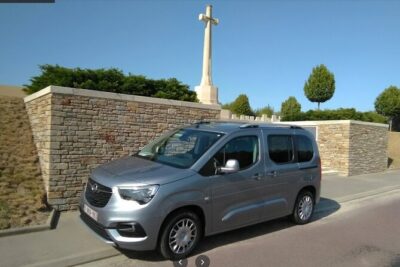
In Flanders Fields and Passchendaele Half Day Morning Tour
Read our review →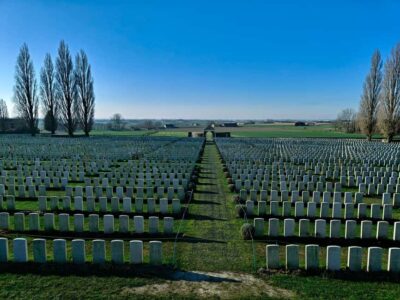
An exploration of the deadly salient battlefields
Read our review →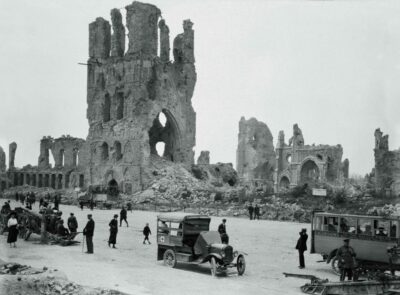
Remembrance Tour: The Battle of the Bulge in the Ardennes
Read our review →Browse the lists this tour appears in