
Reviewed · FLANDERS FIELDS & WWI TOURS
From Bruges: Flanders Fields Remembrance Full-Day Trip
The fields remember what monuments cannot. This full-day Flanders Fields tour gives you a strong World War I overview before taking you to trenches, cemeteries, museums, and battle sites. I especially like the visit to Tyne Cot Cemetery and the quiet power of Essex Farm, where Dr. John McCrae wrote In Flanders Fields. The 8 p.m. Last Post Ceremony at Menin Gate adds a fitting close to a serious day.
The main drawback is the pace. Ten hours sounds generous, but there is a lot to cover, and some stops feel short. Lunch is also more of a quick break than a leisurely meal, and the coach commentary can be hard to hear from the back. Still, at $91 per person, this is a practical way to reach places that are difficult to connect by public transport.
In This Review
- Key points to know before booking
- Why this Flanders Fields day trip works
- Leaving Bruges from Bargeplein
- German Cemetery and the first trenches
- The Brooding Soldier and Hill 60
- A short break in Ypres before the museum
- In Flanders Fields Museum: the day’s main indoor lesson
- Passchendaele and Tyne Cot Cemetery
- Essex Farm and the story behind the poem
- Menin Gate and the 8 p.m. Last Post
- Is $91 good value?
- Who should book this tour?
- Should you book the Bruges Flanders Fields tour?
- FAQ
- Where does the tour begin in Bruges?
- How long does the tour last?
- Is transportation included?
- Is the tour conducted in English?
- Is lunch included?
- Which museum admission is included?
- Does the tour include the Last Post Ceremony?
- Is the tour suitable for wheelchair users?
Key points to know before booking
- Tyne Cot Cemetery is the emotional center: You visit the world’s largest Commonwealth cemetery, with British, Irish, Australian, and Canadian soldiers buried there.
- The Last Post Ceremony begins at 8 p.m.: The tour times its return to Ypres around this daily tribute at Menin Gate.
- The guide shapes the day: Guides such as Diederik, Derek, Johannes, Stefan, and Dietrich have been praised for clear explanations and personal delivery.
- Expect a long, walking-heavy day: Comfortable shoes are essential, and the tour is not suitable for wheelchair users or people with limited mobility.
- The museum visit is included: Admission to the In Flanders Fields Museum is covered, with about an hour to explore.
- Lunch and dinner are separate costs: Bring room in your schedule and budget for food, since neither meal is included in the standard price.
Why this Flanders Fields day trip works
Flanders Fields is not one isolated battlefield. It is a broad area around Ypres, Passchendaele, Essex Farm, Hill 60, and scores of military cemeteries. Seeing it properly requires transport, timing, and some understanding of how the front moved, or failed to move, during four years of trench warfare.
That is the real value of this excursion. You are not simply dropped at a cemetery and handed a map. During the drive from Bruges, the English-speaking guide explains the events that led to the First World War and how the conflict developed. The road time becomes part of the lesson.
Guides have included Diederik, Derek, Johannes, Stefan, and Dietrich. The strongest praise has gone to guides who connect dates and military movements with individual soldiers and local places. Diederik, in particular, has been described as engaging, respectful, and able to keep the day moving without making it feel rushed.
You should expect a serious tone. This is not a scenic countryside outing with a little war history added on. It is a day of graves, destruction, sacrifice, and remembrance. The beautiful Flemish setting makes the subject more moving, not less.
More Flanders Fields and WWI trips:
- From Bruges: Great War Flanders Fields Minibus Tour w/ Lunch
★ 4.9 · 1,257 reviews - Flanders Fields Remembrance Tour from Bruges
★ 4.5 · 207 reviews - Dunkirk Operation Dynamo Battlefield tour from Ypres,Arras, Bruges or Lille
★ 5.0 · 6 reviews
Leaving Bruges from Bargeplein
The meeting point is Bargeplein, also called Bargesquare, at a bus parking area near Bruges. Wait beneath the large red canopy beside the public bathroom. That detail matters because the meeting instructions have caused confusion, with some people waiting at the wrong place.
There is no hotel pickup or drop-off. You need to reach the meeting point yourself and be ready for a full day away from Bruges. The coach ride to the Flanders Fields area takes about an hour, and the guide begins supplying background along the way.
The transport has been well received overall, and the driver is an important part of the experience. Dave, in particular, was praised for a safe, smooth ride. One practical complaint concerned the coach sound system. If you sit far back, you may have trouble hearing the guide, especially while the bus is moving.
I would sit as close to the front as possible and tell the guide if you cannot hear. Some guides begin speaking before everyone has left the coach, so staying near the group helps you catch the full explanation.
German Cemetery and the first trenches
The first stops introduce the war through two very different reminders of its cost. A German Cemetery gives you a quieter, more restrained place to consider the soldiers on the other side of the conflict. The tour then continues to a section of First World War trenches.
These early visits work well because they prevent the day from becoming a simple parade of Allied memorials. The war involved many armies and nationalities, and the German cemetery adds needed balance. The trench section gives you a physical sense of the conditions that shaped the fighting, even though the surviving remains cannot recreate the scale of the original front.
Your guide’s explanation is especially useful here. Without context, a trench can look like a shallow ditch. With a clear account of how troops lived, fought, and held ground, the site becomes much easier to understand.
Do not expect long, leisurely pauses at every location. This tour covers many sites, and you need to listen when the guide begins. One weakness of the schedule is that you may have to choose between taking photographs, reading signs, and following the talk.
The Brooding Soldier and Hill 60
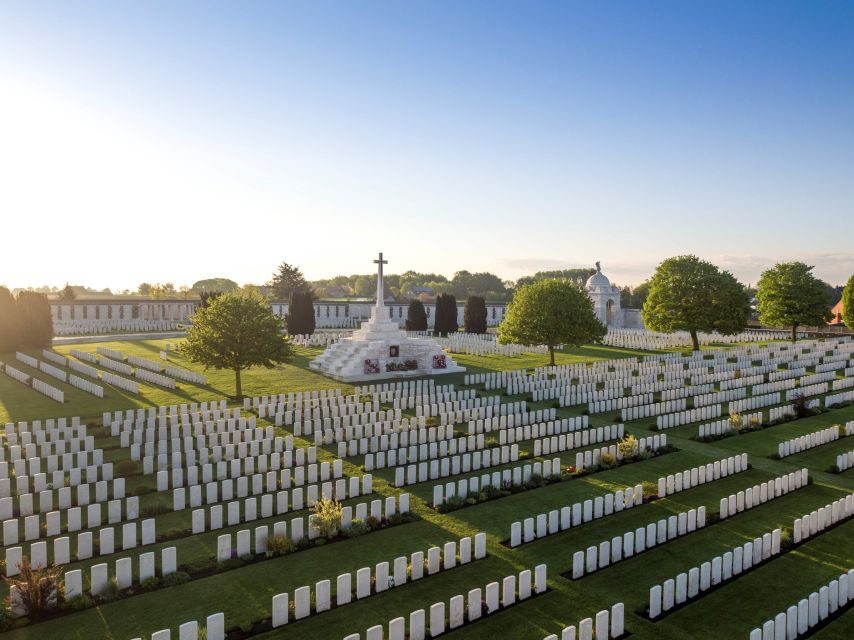
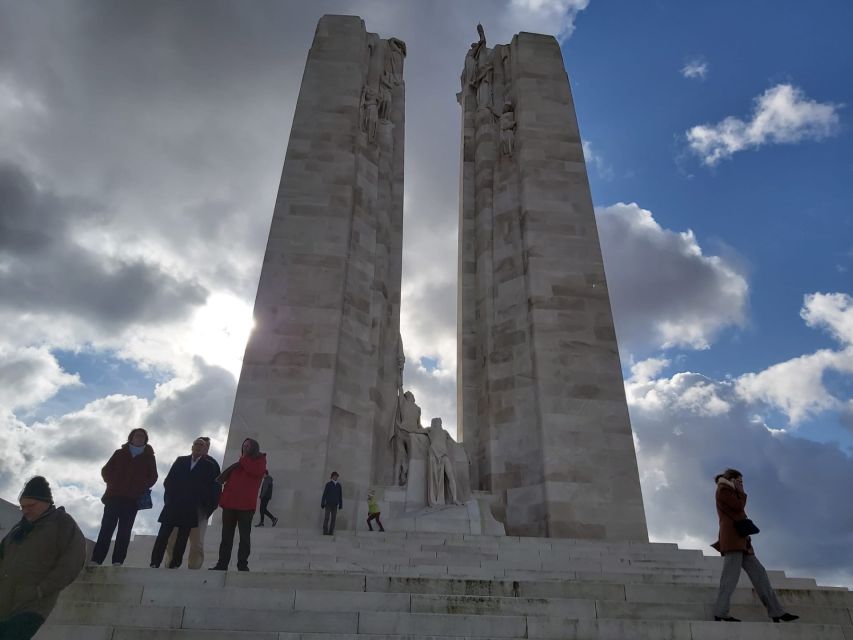
The Monument of the Brooding Soldier commemorates the sacrifice of 2,000 Canadian soldiers during the first German gas attack. It is one of the most personal stops on the route because the monument focuses attention on the human cost of a new and terrifying form of warfare.
Nearby Hill 60 adds another layer. The position had fallen into German hands and was later mined by tunnelling companies of the Royal Engineers. The point is not simply to see a hill. It is to understand how the front became a war beneath the ground as well as above it.
These stops are valuable for anyone with family connections to Canada, Britain, Australia, Ireland, or other countries represented in the fighting. The guide also makes an effort to point out the national sacrifices connected to the people on the coach, which can give the history a personal edge.
One area that could receive more attention is the role of women, especially nurses and medical staff. The day focuses strongly on soldiers, battles, and cemeteries. If you want a fuller account of women’s wartime work, you may need to ask questions or explore that subject separately.
A few more trips and experiences worth a look
- From Brussels: Full-Day Antwerp and Ghent Guided Tour
★ 4.6 · 1,019 reviews - From Amsterdam: Bruges Full-Day Tour
★ 4.3 · 519 reviews - From Brussels: Bruges and Ghent Full-Day Trip by Train
★ 4.3 · 103 reviews - From Brussels: Flanders Fields Remembrance Full-Day Trip
★ 4.4 · 65 reviews
A short break in Ypres before the museum
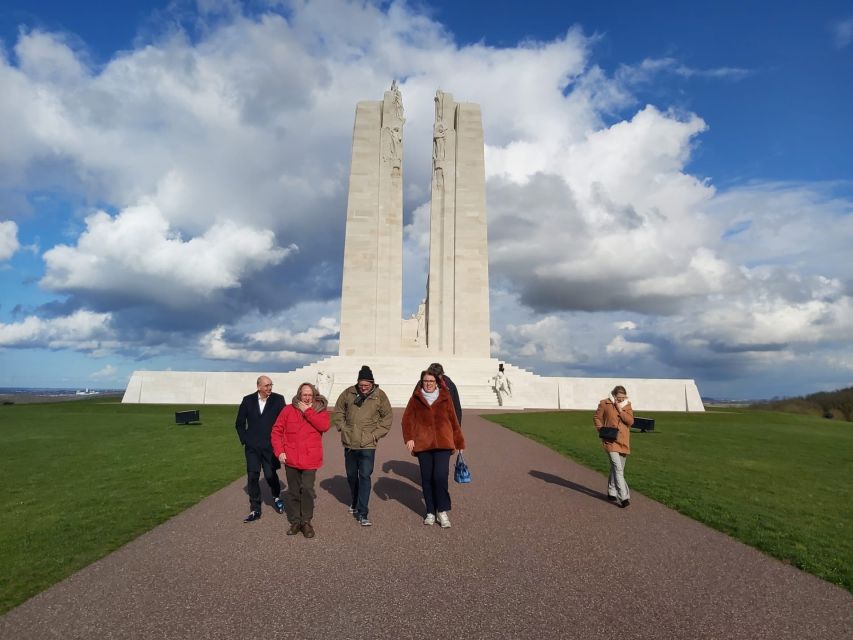
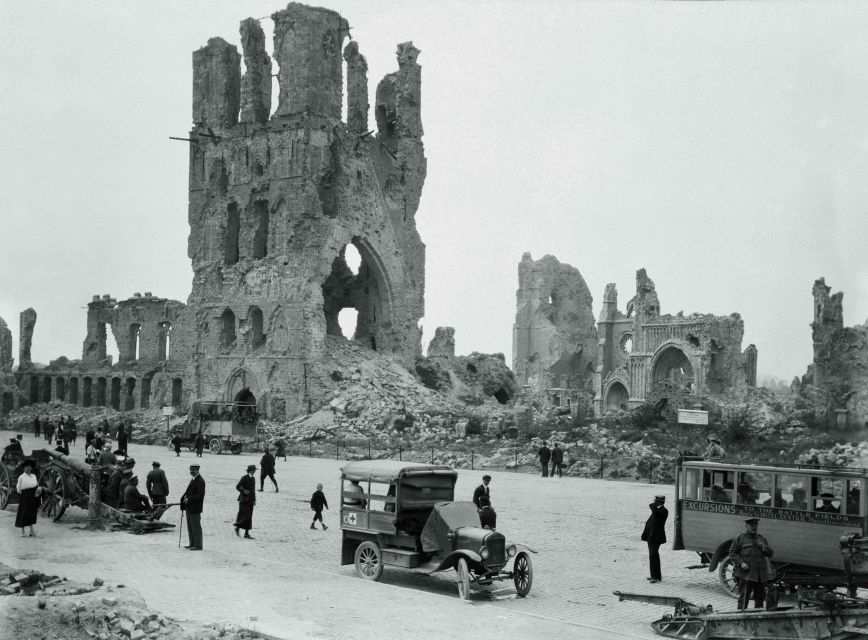
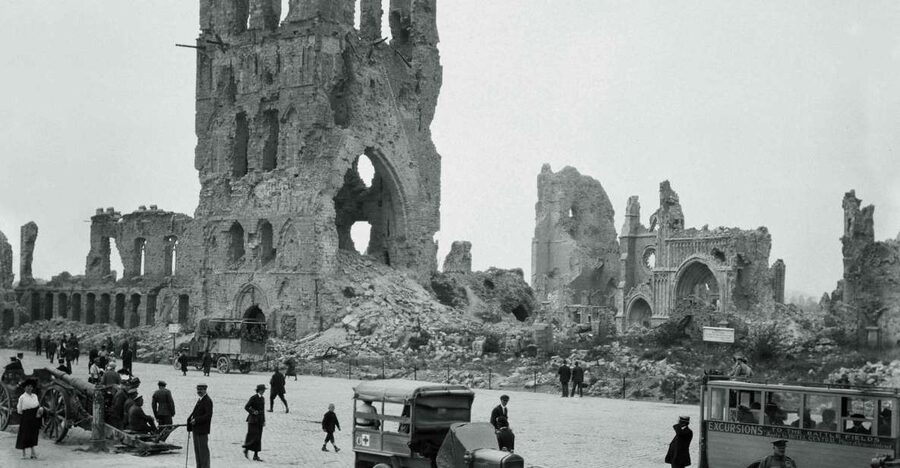
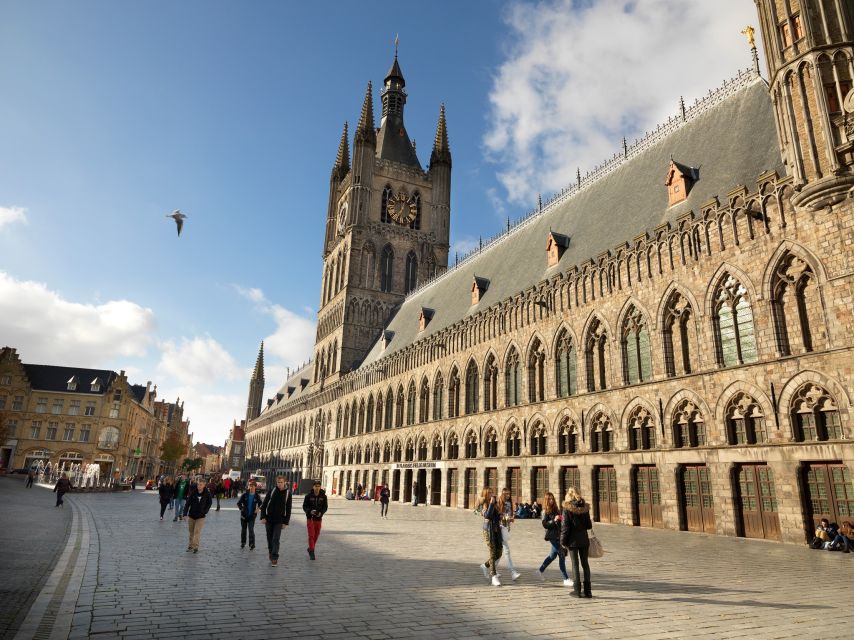
Ypres, or Ieper, is the natural base for the afternoon. The wartime destruction of the city and its rebuilding are part of the story, and the town is attractive enough to deserve more time than this schedule allows.
The lunch stop lasts about 45 minutes. Food arrangements vary in the information provided, but lunch is not included in the standard package, so budget for it. The break is designed to keep the itinerary moving rather than provide a relaxed Belgian meal.
This is one of the clearest tradeoffs. A quick meal lets you fit in the museum, Passchendaele, Tyne Cot, Essex Farm, and the evening ceremony. On the other hand, busy restaurants may not serve quickly enough for a proper sit-down meal. One account describes the break as an open sandwich, while another recalls a pleasant ploughman’s lunch.
I would bring a small snack and treat the restaurant stop as a useful pause, not a culinary highlight. You also get a quick snack later in Ypres before the Last Post Ceremony, but dinner is not included.
In Flanders Fields Museum: the day’s main indoor lesson
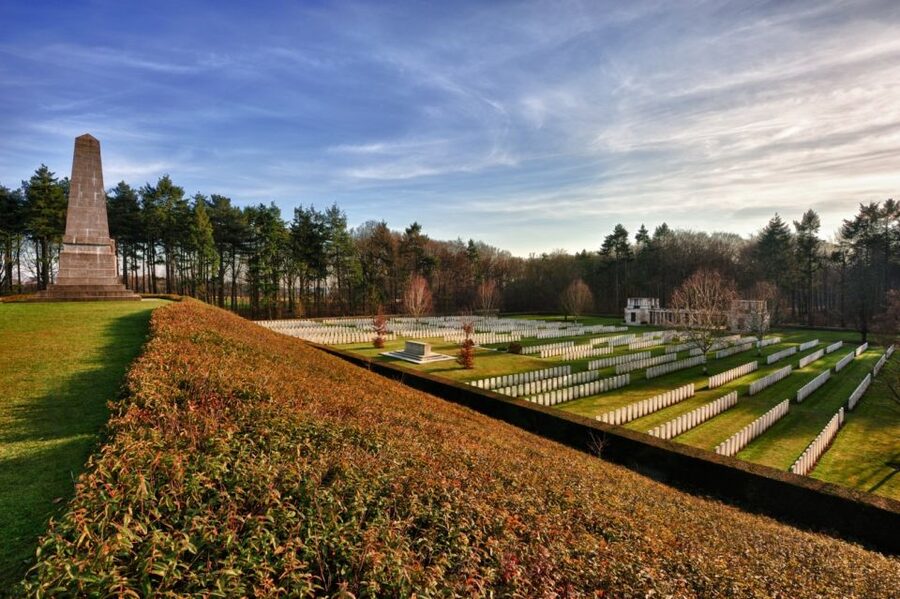
The In Flanders Fields Museum is included in the price and is one of the strongest reasons to choose this tour. The museum presents the First World War through the experiences of people caught in the conflict, helping you connect the battlefields outside with the lives behind the statistics.
You receive roughly 70 minutes for the guided museum portion, with about an hour to look around independently. That is enough for a worthwhile visit, but not enough to read every panel or study every display at a slow pace.
Some people would prefer more museum time. Others find the hour sufficient, especially after a morning of outdoor stops. I would use the guide’s introduction to decide what deserves your attention first, then save time for the sections that interest you most.
The museum also gives the day a needed change of rhythm. After cemeteries and trenches, an indoor visit helps organize the information. You can better understand the four years of trench warfare, then return outside with a clearer sense of what the sites represent.
Passchendaele and Tyne Cot Cemetery
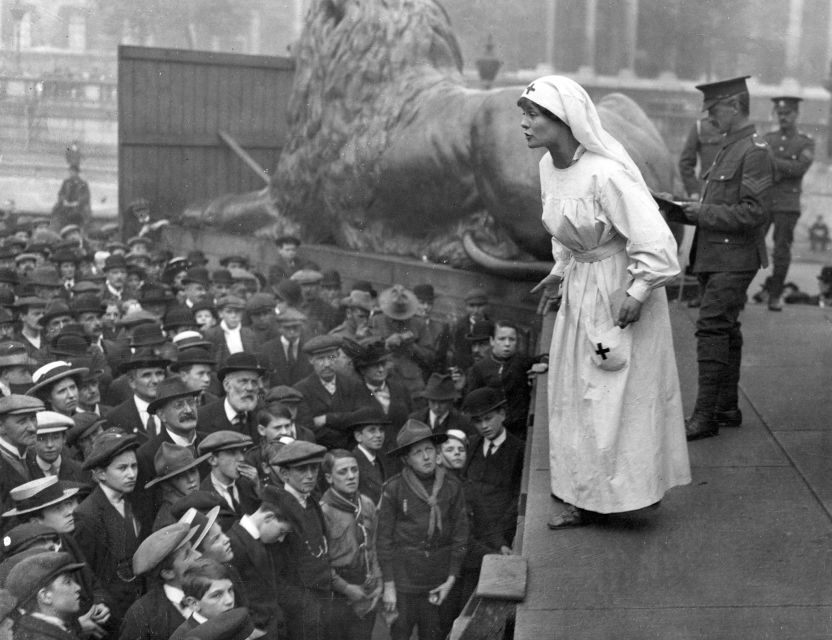
The battlefield at Passchendaele is among the day’s most important stops. The name is linked to one of the First World War’s most costly campaigns, and the visit helps you see how much ground was contested for such a terrible price.
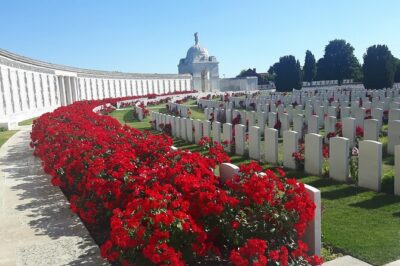
Tyne Cot Cemetery is the major emotional stop here. It is the largest Commonwealth cemetery in the world, and it contains the graves of British, Irish, Australian, and Canadian soldiers. The setting is carefully maintained, but the order and beauty do not soften the scale of the loss.
I would allow yourself a quiet few minutes before trying to take photographs or read every inscription. The cemetery can be overwhelming, particularly if you are tracing a family connection. The tour’s own schedule, however, may not give you as much time as you want. A few people have wished for a longer stop at Tyne Cot.
This is also where comfortable footwear matters. The day involves getting on and off the coach, walking through outdoor memorial areas, and standing during explanations. The activity is specifically not suitable for wheelchair users or people with limited mobility.
Essex Farm and the story behind the poem
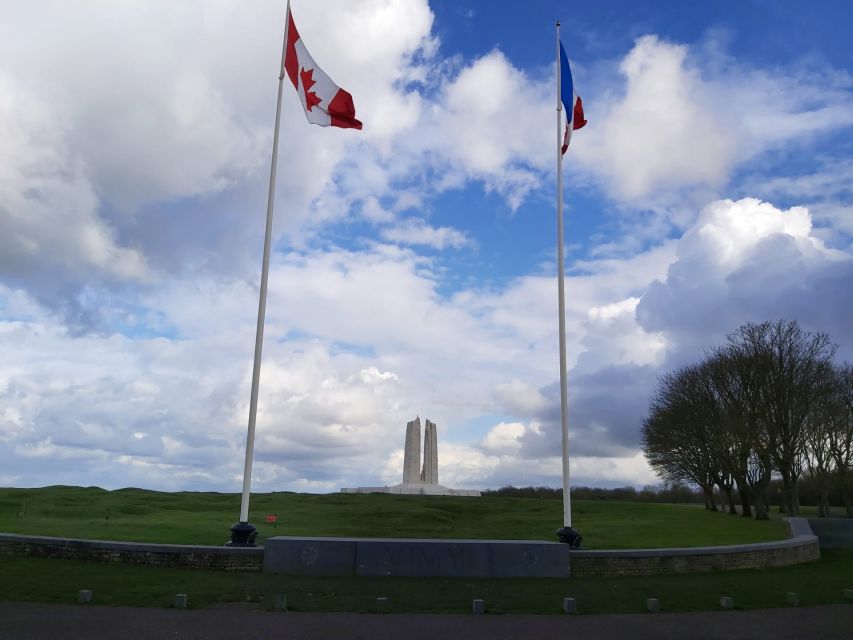
Essex Farm was a field hospital, and it is associated with Canadian field surgeon Dr. John McCrae, who wrote In Flanders Fields. This visit gives the poem a real setting rather than leaving it as a familiar classroom text.
The power of Essex Farm comes from the link between medical work, death, and remembrance. McCrae was not writing from a distant historical viewpoint. He was working close to wounded and dying soldiers, and the poem emerged from that experience.
The stop is relatively brief compared with the museum or the evening ceremony, but it adds an important human voice. It also shifts the focus from generals and offensives to doctors, patients, and the burden carried by medical teams.
If you have read the poem before, hearing its background at Essex Farm changes how you hear it. The words become tied to the places and people discussed during the day.
Menin Gate and the 8 p.m. Last Post
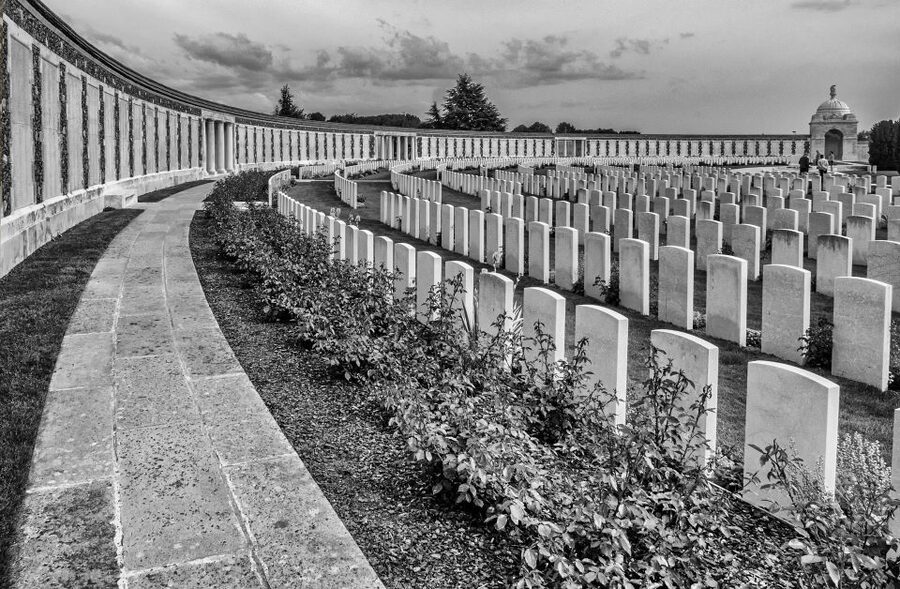
The tour returns to Ypres for the Last Post Ceremony at Menin Gate, held every evening at 8 p.m. This daily tribute honors Commonwealth officers and soldiers who went missing after the battles.
For many people, this is the reason to choose this particular itinerary instead of a shorter battlefield outing. The ceremony provides a formal ending to a day that has gradually moved from military events to individual loss.
The experience can be crowded and emotionally intense, so follow the guide’s timing and stay with the group. Menin Gate has been under restoration works until mid-2025, with scaffolding affecting its appearance during that period. That does not remove the meaning of the ceremony, but it can change the visual impact.
One past account found the ceremony less moving because of the restoration and the large presence of cadets or civilians. I would still treat it as worthwhile, especially if this is your only visit to Ypres. Just set your expectations correctly: the ceremony is a public act of remembrance, not a private memorial service.
Afterward, the coach returns to Bargeplein in Bruges. By then, you will have been away for about ten hours, so plan nothing demanding for the evening.
Is $91 good value?
At $91, the tour offers solid value if you want to see several Flanders Fields sites in one day. The price includes roundtrip coach transportation, an English-speaking guide, and entry to the In Flanders Fields Museum.
Trying to connect the German Cemetery, trenches, Brooding Soldier, Hill 60, Passchendaele, Tyne Cot, Essex Farm, Ypres, the museum, and the Last Post Ceremony on your own would be difficult by public transport. You would also lose the guide’s explanation between locations.
The price does not include lunch or dinner, and you need to make your own way to Bargeplein. Those extra costs are modest compared with the transport and museum admission, but you should not expect an all-inclusive day.
The value is highest for a first visit, a short stay in Bruges, or anyone interested in military history and family research. It is less appealing if you prefer slow museum visits, long meals, or plenty of unstructured time at each cemetery.
Free cancellation is available up to 24 hours before departure, and you can reserve now and pay later. The tour may be canceled if the minimum number of participants is not reached, so check the final arrangements before setting other plans around it.
Who should book this tour?
I recommend it for adults, older children, and teenagers who can handle a long and solemn day. It suits people who want context, not just photo stops, and those with family links to the Commonwealth forces may find the cemetery visits especially meaningful.
It is not a good choice for wheelchair users or people with limited mobility. The amount of walking and standing should also be considered carefully. Ask about the walking involved before booking if you are unsure.
The tour also suits visitors with only one day available for Flanders Fields. You see a wide range of sites and finish at the Menin Gate without having to organize several separate connections.
Should you book the Bruges Flanders Fields tour?
Book it if you want a well-organized overview of Ypres and the surrounding battlefields, with a guide handling the transport and military background. Tyne Cot, Essex Farm, the museum, and the Last Post Ceremony give the day a strong emotional and educational arc.
Skip it if you need slow, detailed time at every stop, want a substantial lunch, or find long coach days tiring. Sit near the front, wear comfortable shoes, bring a snack, and keep your schedule free for the evening. For most first-time visitors, $91 is a fair price for the access, transport, and explanation packed into one difficult but memorable day.
FAQ
Where does the tour begin in Bruges?
The meeting point is Bargeplein, also called Bargesquare. Wait beneath the large red canopy next to the public bathroom at the bus parking area.
How long does the tour last?
The tour lasts 10 hours. Check the available departure time when booking, as starting times can vary.
Is transportation included?
Yes. Roundtrip transportation by bus or coach is included, with return to Bargeplein in Bruges.
Is the tour conducted in English?
Yes. The tour includes a live English-speaking guide.
Is lunch included?
No. Lunch is not included in the standard price. The schedule allows about 45 minutes for a lunch stop, and dinner is also not included.
Which museum admission is included?
Entry to the In Flanders Fields Museum is included.
Does the tour include the Last Post Ceremony?
Yes. The group attends the Last Post Ceremony at Menin Gate at 8 p.m.
Is the tour suitable for wheelchair users?
No. The tour is not suitable for wheelchair users or people with limited mobility. Comfortable shoes are recommended because the day includes outdoor sites and walking.
More 1-Day Tours
- From Paris: Day Trip to Bruges with Optional Seasonal Cruise
★ 4.4 · 1,034 reviews - From Paris: Day Trip to the Enchanting Brussels and Bruges
★ 4.2 · 323 reviews - Day trip to Bruges from Paris with canal cruise
★ 4.7 · 81 reviews - Visit of Bruges in 1 day private tour from Paris
★ 5.0 · 3 reviews
Just added around Bruges
- Bruges Beer and Chocolate Walking Tour★ 4.5 · 3 reviews
- Private: Discover Bruges beers & brewery with chocolate pairing by a young local★ 5.0 · 3 reviews
- Best of Brussels Private Tour from Zeebrugge or Bruges★ 4.0 · 3 reviews
- Visit of Bruges in 1 day private tour from Paris★ 5.0 · 3 reviews
- Brussels: Private & Customizable Day Trip to Bruges★ 5.0 · 3 reviews
- Explore the Instaworthy Spots of Bruges with a Local★ 5.0 · 3 reviews
- Bruges: Ticket Volkskundemuseum (Folk Museum)★ 5.0 · 3 reviews
- Bruges; private walking tour with the Beardbarian★ 5.0 · 3 reviews
Flanders Fields & WWI Tours, compared.
Great War Flanders Fields Minibus Tour w/ Lunch
Read our review →
Flanders Fields Remembrance Tour from Brussels
Read our review →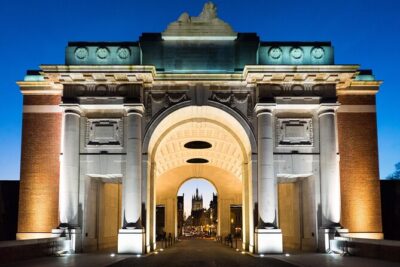
In Flanders Fields and Passchendaele Half Day Morning Tour
Read our review →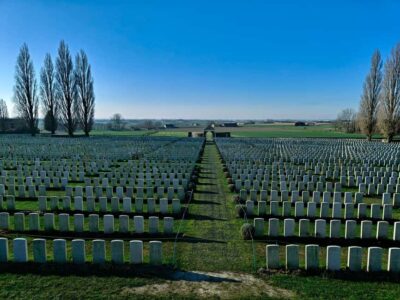
An exploration of the deadly salient battlefields
Read our review →
Remembrance Tour: The Battle of the Bulge in the Ardennes
Read our review →Browse the lists this tour appears in