
Reviewed · FLANDERS FIELDS & WWI TOURS
From IEPER Private 4-hour Tour of the Ypres Battlefield
The ground still remembers. This private four-hour tour from Ypres links major First World War sites with clear explanations, maps, photographs, and personal attention. I especially like the door-to-door pickup and the way guides such as Soren and Sabine tailor the route to family history. The main thing to consider is the price: $399.25 per group is fair for four people, but costly for a solo visitor or couple.
You’ll visit trenches, cemeteries, memorials, and a former field hospital in a comfortable vehicle, without having to puzzle out rural roads yourself. The subject is heavy, and the pace is respectful rather than rushed. Four hours gives you a strong introduction, though it cannot cover every battlefield site around Ypres.
In This Review
- The five details that shape the experience
- Why a private half-day works well in Ypres
- Hill 60 and the mines beneath the battlefield
- Sanctuary Wood: trenches you can actually enter
- Tyne Cot Cemetery and the scale of loss
- Saint Julien and the first chlorine gas attack
- Essex Farm and the story behind the poppy
- How Soren and Sabine shape the visit
- Timing, pickup, and the practical side
- Is $399.25 good value?
- Who should book this Ypres tour?
- Should you book it?
- FAQ
- How long is the Ypres battlefield tour?
- How many people can join the private tour?
- Is pickup available from Ypres train station?
- Can I be picked up from my Ypres hotel or bed-and-breakfast?
- Which sites are included?
- Is admission included at all the stops?
- Is the tour offered in English?
- Can I cancel for a full refund?
The five details that shape the experience
- Hill 60 begins with the massive mines of June 7, 1917, one of the most dramatic underground operations of the war.
- Sanctuary Wood combines original trenches with a small museum, giving you both physical remains and historical context.
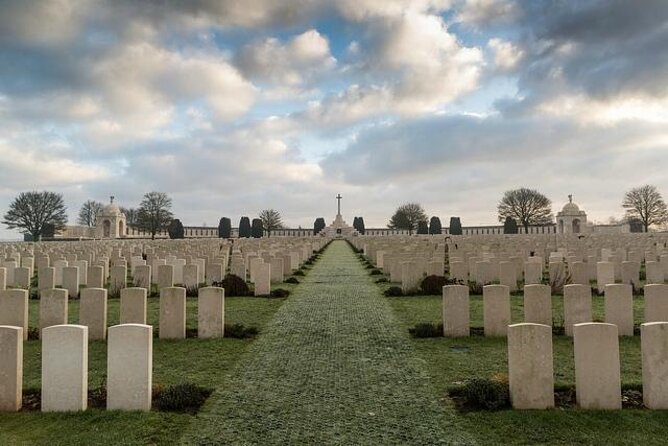
- Tyne Cot Cemetery contains about 12,000 Commonwealth burials, making it an essential stop for understanding the scale of the fighting.
- Saint Julien explains the first German chlorine gas attack, including the Canadian troops who held the line.
- Essex Farm connects the battlefield to In Flanders Fields, the poem that helped make the poppy a lasting symbol of remembrance.
- The private format lets the guide adjust the visit, including attention to Canadian, Australian, New Zealand, British, or family connections.
Why a private half-day works well in Ypres
Ypres, or Ieper, is easy to reach by train, but the battlefield sites spread across the surrounding countryside. You can visit some places independently, yet the links between them are not always obvious when you are reading isolated signs or following a map.
This tour solves that problem. Your guide provides the sequence, explains how the battles developed from 1914 to 1918, and shows why each site matters. You are not simply stopping at a cemetery, taking a photograph, and moving on. The aim is to understand how trenches, villages, roads, hospitals, memorials, and artillery positions fitted together.
The private setup is particularly useful for families. The vehicle carries only your group, up to four people, so you can ask basic questions without feeling self-conscious and pause on subjects that matter to you. If you arrive with a relative’s service record or name, the guide may be able to shape the discussion around that person. Several tours have included research into ancestors, including military service, medals, regiments, and likely battle locations.
That personal element is one of the strongest reasons to choose this experience. Soren has researched family connections before the tour, while Sabine has been praised for her local knowledge and for growing up in Ypres. The guide may also adjust the route for national connections, such as Canadian, Australian, New Zealand, or British service.
The subject is grim, but the guiding style is not cold or mechanical. Soren is described as combining serious historical explanation with occasional humor, a useful balance when you spend several hours thinking about mass death. The tone remains respectful, while questions and conversation are welcomed.
More Flanders Fields and WWI trips:
- In Flanders Fields and Passchendaele Half Day Morning Tour
★ 5.0 · 117 reviews - Ypres: An exploration of the deadly salient battlefields
★ 5.0 · 76 reviews - From Brussels: Flanders Fields Remembrance Full-Day Trip
★ 4.4 · 65 reviews
Hill 60 and the mines beneath the battlefield
The tour opens at Hill 60, where you hear about the enormous mines detonated on June 7, 1917. The stop lasts about 40 minutes and admission is free.
Hill 60 is important because it helps explain how the war was fought below ground as well as above it. The battle was not only a contest of infantry attacks and artillery fire. Engineers dug tunnels beneath enemy positions, packed them with explosives, and waited for the right moment to blow apart the ground.
A guide can make the site easier to understand by using maps and photographs. Without that help, a rise in the countryside may look like an ordinary patch of earth. With context, you begin to picture the strategic value of the position and the destructive force hidden below it.
This is a good first stop because it sets the scale and complexity of the day. You start with military planning, engineering, and a major explosion, then move toward the human cost recorded in cemeteries and memorials.
The amount of walking here is not specified, so ask about the route if mobility is a concern. One strong feature of a private tour is that the guide can take your pace into account. A past family group received changes to the route because of walking restrictions after surgery, but you should still discuss your needs before booking.
Sanctuary Wood: trenches you can actually enter
Sanctuary Wood Museum receives about 45 minutes, with admission included. This is where the battlefield becomes especially physical. You can see original First World War trenches and visit a modest museum filled with wartime material.
The trenches are the reason this stop carries such weight. A museum display can explain dates and units, but walking through the surviving trench area gives you a more direct sense of the cramped conditions soldiers faced. One visitor specifically highlighted the tunnel among the trenches as a memorable part of the visit.
The museum is described as quaint rather than grand. That is part of its appeal. You are not entering a vast modern institution with polished galleries and a long queue. Instead, the stop offers a compact setting where the guide’s explanation can fill in the gaps.
Expect this to be one of the more emotional moments of the tour. The original structures connect abstract numbers to a real place where people slept, waited, carried supplies, and faced shelling. The uneven ground and trench setting may also require more care than a paved memorial site, so practical footwear is sensible.
Because admission is included here, you do not need to arrange a separate ticket. The limited 45-minute visit is enough for a focused look, though anyone with a strong interest in trench archaeology or military collections may wish for a longer tour.
Tyne Cot Cemetery and the scale of loss
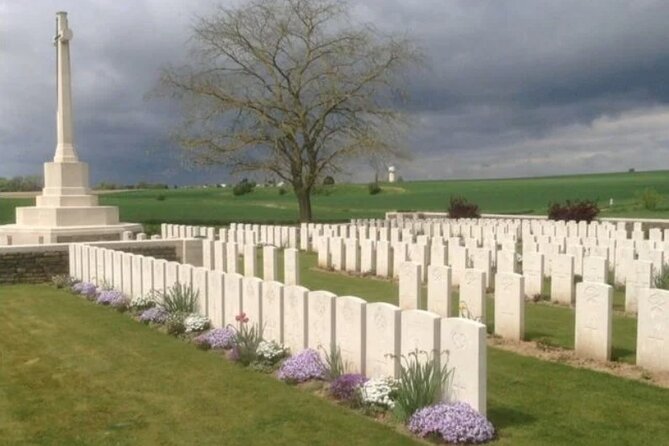
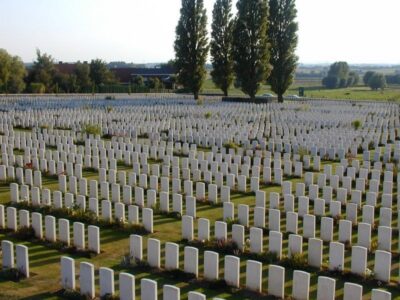
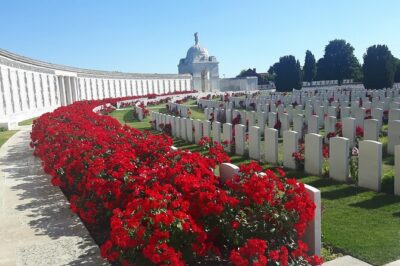
The visit to Tyne Cot Cemetery takes about 45 minutes and admission is free. It is the largest Commonwealth War Graves Commission cemetery in the world, with around 12,000 soldiers buried there. Only about 3,000 of those graves have identified names.
Those numbers are difficult to grasp until you walk among the rows. Tyne Cot is not only a burial ground. It also records the enormous number of men whose identities were never confirmed, a reminder that battlefield recovery was often impossible after years of bombardment.
The cemetery includes two Australian and one Canadian Victoria Cross recipients, details that give the stop a more personal focus for visitors with family or national connections. Your guide can explain the meaning of the cemetery’s layout and relate it to the fighting in the wider Ypres area.
This is a place where the tour’s verbal storytelling should be measured. You will have time to look around, reflect, and ask questions rather than being hurried from one marker to the next. Several people have valued the unhurried pace, particularly when visiting sites connected to an ancestor.
Tyne Cot can also be the point where the sheer scale of the war becomes clear. Hill 60 shows the violence of a particular operation. Sanctuary Wood shows the conditions of trench warfare. Tyne Cot shows what remained after the fighting.
A few more trips and experiences worth a look
- From Ypres, The Christmas Truce to Passchendaele Ypres Based WW1 private tour
★ 5.0 · 29 reviews - In Flanders Fields and Passchendaele Grand Tour
★ 5.0 · 25 reviews - From Ypres: WWI Battlefields Private Tour
★ 5.0 · 25 reviews - Full Day Canadian WW1 Vimy and Somme Battlefield Tour from Ypres
★ 5.0 · 6 reviews
Saint Julien and the first chlorine gas attack
Saint Julien Memorial is a shorter stop, about 15 minutes, with no admission charge. The guide explains the first German gas attack of the First World War, launched on April 22, 1915, against French soldiers.
The attack used a cloud of chlorine gas, and the Canadian troops nearby helped hold the line despite the danger. This moment is important not only because chemical weapons changed battlefield tactics, but because it reveals the confusion and terror of facing a weapon few soldiers had encountered before.
The stop is brief, so do not expect a long visit on foot. Its value comes from the explanation and its place in the day’s sequence. The guide can connect Saint Julien to the broader story of the Ypres Salient, where repeated offensives brought enormous losses for limited gains.
For Canadian visitors, this section may carry particular meaning. The tour can place Canada’s role directly into the story instead of treating the country as a footnote to British military history. The same applies to Australian and New Zealand connections, which can be addressed when relevant to your group.
Essex Farm and the story behind the poppy
Essex Farm Cemetery takes around 30 minutes and admission is free. The site was once a field hospital, and it is associated with Lieutenant Colonel John McCrae, who composed In Flanders Fields there.
This stop brings together medical care, poetry, remembrance, and symbolism. McCrae’s poem helped turn the poppy into one of the most recognizable images of the First World War. Seeing the hospital site gives the poem a specific setting rather than leaving it as a familiar piece of schoolbook verse.
The stop is especially effective at the end because it shifts the focus from battle plans to memory. You have seen positions fought over, trenches used by soldiers, and graves created after the fighting. Essex Farm asks how later generations chose to remember that loss.
Thirty minutes is enough for the guide to explain the connection and allow time at the cemetery. If you know the poem, hearing its story in the place associated with its composition may be one of the tour’s most affecting moments.
How Soren and Sabine shape the visit
The guide is the heart of this experience. Soren is repeatedly praised for his command of the subject, clear storytelling, humor, and willingness to answer questions. He has also researched ancestors in advance and used maps and period photographs to make the battles easier to follow.
Sabine brings a different strength. She grew up in Ypres and is described as a local expert with a strong grasp of the area’s First World War sites. She has also tailored tours around family history, including research into a soldier who served in both world wars and received a second Military Medal.
You should not assume that every booking will include a particular guide. The supplied information identifies both Soren and Sabine, so ask when arranging your tour if a specific guide matters to you.
The best use of the private format is to share your interests early. Tell the operator if you are Canadian, Australian, New Zealand, British, American, or tracing a particular regiment. Send an ancestor’s service details if you have them. The guide has previously used those details to identify relevant battle areas and make the day feel personal.
The guiding also seems useful for mixed-knowledge groups. If you know little about the First World War, the maps and photographs can give you a basic framework. If you have already read widely, the private setting lets you ask more precise questions.
Timing, pickup, and the practical side
You can choose a morning or afternoon departure. Pickup is available from Ypres hotels and bed-and-breakfasts, and from Ypres train station. If your accommodation is not on the operator’s standard list, you can send its name and arrange a meeting point.
Train pickup is handy if Ypres is part of a wider Belgium or northern France trip. Some groups have also changed pickup or drop-off locations to fit their plans. Confirm those details before the day, rather than assuming every change can be made at the last minute.
The tour lasts approximately four hours. The listed stops total about two hours and 55 minutes, leaving the rest for driving between sites, explanations in the vehicle, and the natural pauses that come with a private outing.
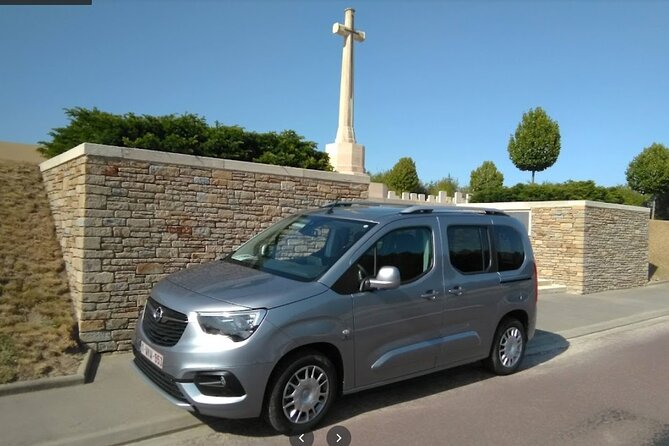
Transport is described in one experience as a comfortable hybrid SUV. The private vehicle matters because the sites are spread out and a self-drive visit would require you to handle navigation while also trying to understand the history. For a first visit, having someone connect the stops can be worth the expense.
The tour is offered in English and includes a mobile ticket. Confirmation is sent within 48 hours, subject to availability. Service animals are allowed, and most people can participate, but the route includes cemetery paths and historic trench areas, so mention mobility needs in advance.
The experience is often reserved well ahead, with an average booking lead time of 61 days. If your Belgium trip is fixed, arranging this early is sensible, particularly if you need a certain departure time or hope to request a particular guide.
Is $399.25 good value?
The cost is $399.25 per group of up to four people. At full capacity, that works out to roughly $100 per person for four hours of private guiding and transport. For two people, the effective cost is about $200 each, and for one person the price is much harder to justify.
The value improves if you care about military history, have an ancestor connected to the Ypres area, or want a guide to interpret the sites rather than simply drive you between them. The research into family service records can add something you cannot easily buy with a standard group excursion.
The included admission to Sanctuary Wood also helps, though the other listed stops are free. The main expense is the guide’s time, local expertise, vehicle, route planning, and ability to adapt the discussion to your group.
A self-guided visit will cost less, especially if you already have a car and a good battlefield guidebook. But you will need to plan the route, understand the relationship between sites, and research family connections yourself. For four people, the private tour offers a solid convenience-to-cost balance.
The free-cancellation policy allows a full refund when you cancel at least 24 hours before the start time. Changes or cancellations inside that window are not accepted for a refund, so keep the local cutoff time in mind.
Who should book this Ypres tour?
I would choose this tour for a family tracing a soldier, a small group with limited time, or anyone who wants a serious introduction without spending a full day on the battlefields. It also suits visitors who prefer asking questions in a private vehicle rather than joining a larger coach group.
Families with older children can benefit from the storytelling and visual aids. One group included children from ages six to ten, and the guide adjusted the pace and used facts in a way the children could follow. Still, the subject includes gas attacks, mass death, and wartime suffering, so parents should judge the material for their children.
The tour is less suitable if you want a slow, specialist study of one cemetery or a full-day exploration of every major battlefield site. Four hours is a useful introduction, not a complete survey.
Should you book it?
Book this private Ypres tour if you want the major sites connected by a clear human story, especially if you have family service details to share. Soren and Sabine bring strong local and historical understanding, and the private format allows the guide to adjust the route, pace, and emphasis.
I would be more cautious if you are traveling alone on a tight budget. At $399.25 for one group, the price makes the most sense when divided among four people.
For a first visit to the Ypres battlefields, this is a thoughtful and practical half-day choice. You leave with the mines of Hill 60, the trenches of Sanctuary Wood, the rows at Tyne Cot, the gas attack at Saint Julien, and McCrae’s poem at Essex Farm linked into one understandable route.
FAQ
How long is the Ypres battlefield tour?
The tour lasts approximately four hours.
How many people can join the private tour?
The price covers one private group of up to four people.
Is pickup available from Ypres train station?
Yes. Pickup is available from Ypres train station, and you should message the operator with your arrival time.
Can I be picked up from my Ypres hotel or bed-and-breakfast?
Yes. Pickup is offered from Ypres hotels and bed-and-breakfasts. If your accommodation is not listed, send the operator its name.
Which sites are included?
The tour visits Hill 60, Sanctuary Wood Museum, Tyne Cot Cemetery, Saint Julien Memorial, and Essex Farm Cemetery.
Is admission included at all the stops?
Admission to Sanctuary Wood Museum is included. The listed visits to Hill 60, Tyne Cot Cemetery, Saint Julien Memorial, and Essex Farm Cemetery have no admission charge.
Is the tour offered in English?
Yes. The tour is offered in English.
Can I cancel for a full refund?
Yes, if you cancel at least 24 hours before the experience start time. Cancellations and changes made less than 24 hours before the start time are not accepted for a refund.
Just added around Ypres
- PRIVATE Australian Western Front Battlefields 3-Day Tour Ypres to Amiens★ 5.0 · 3 reviews
- Discover Tournai while playing! Escape game – The alchemist★ 4.0 · 3 reviews
- From LIlle or Bruges, Christmas Truce to Passchendaele Ypres 1 day WW1 private★ 5.0 · 5 reviews
- From Ypres 4hr Christmas Truce and Monster Mines of Messines PRIVATE Tour★ 5.0 · 5 reviews
- Full Day Canadian WW1 Vimy and Somme Battlefield Tour from Ypres★ 5.0 · 6 reviews
- e-Scavenger hunt Ypres: Explore the city at your own pace★ 4.5 · 6 reviews
- In Flanders Fields and Passchendaele Grand Tour★ 5.0 · 25 reviews
- From Ypres: WWI Battlefields Private Tour★ 5.0 · 25 reviews
Flanders Fields & WWI Tours, compared.
Great War Flanders Fields Minibus Tour w/ Lunch
Read our review →
Flanders Fields Remembrance Tour from Brussels
Read our review →
In Flanders Fields and Passchendaele Half Day Morning Tour
Read our review →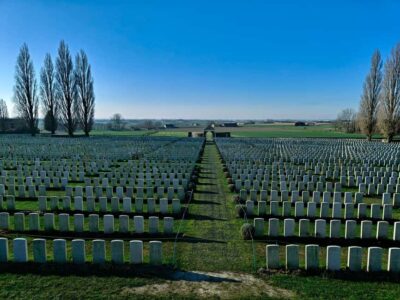
An exploration of the deadly salient battlefields
Read our review →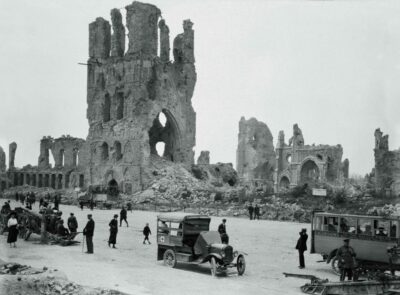
Remembrance Tour: The Battle of the Bulge in the Ardennes
Read our review →Browse the lists this tour appears in