
Reviewed · FLANDERS FIELDS & WWI TOURS
From LIlle or Bruges, Christmas Truce to Passchendaele Ypres 1 day WW1 private
History feels close here. This private Ypres battlefield day connects Messines, Passchendaele, and the Christmas Truce with a guide who can explain what happened on the very ground beneath you. I like the hotel pickup from Bruges, Lille, Ghent, and nearby towns, and I like the chance to shape the day around family military history. The main drawback is the price: at $532.32 per person, it is a serious outlay, especially if you are traveling alone.
You will spend about nine hours moving between trenches, mine craters, cemeteries, memorials, and battle sites. Soren receives especially strong praise for his clear explanations, personal attention, good humor, and passion for the subject. Bring lunch money, comfortable walking shoes, and enough emotional energy for a day devoted to one of Europe’s most heavily fought wartime regions.
In This Review
- Key things to know before booking
- Why a private guide changes the Ypres experience
- Messines Ridge, mine craters, and the Christmas Truce
- Hooge Crater Cemetery and the Menin Road
- The Australian headquarters site and the road toward Polygon Wood
- Polygon Wood: bunkers, cemetery, and the Fifth Division
- Hill 60 and the mine blown at 3:10 a.m.
- Tyne Cot Cemetery and the scale of loss
- John McCrae’s hospital site and In Flanders Fields
- The Menin Gate and 55,000 missing names
- Sanctuary Wood and original First World War trenches
- Timing, pickup, lunch, and the real cost
- Who will get the most from this day?
- Should you book the Ypres Passchendaele tour?
- FAQ
- How long is the Ypres battlefield tour?
- Where can pickup be arranged?
- Is this a private tour?
- Is lunch included?
- Which languages are offered?
- Can the tour be adapted for family military history?
Key things to know before booking
- The day follows Australian battle routes: You visit Messines Ridge, Polygon Wood, Hill 60, Passchendaele, and Zonnebeke, all tied to major actions involving Australian forces.
- The Christmas Truce is part of the story: At Messines, the guide discusses the 1914 Christmas Truce and the later fighting that transformed the area.
- You can visit original trenches: Sanctuary Wood Museum preserves First World War trench remains, giving you a rare physical sense of how soldiers lived and fought.
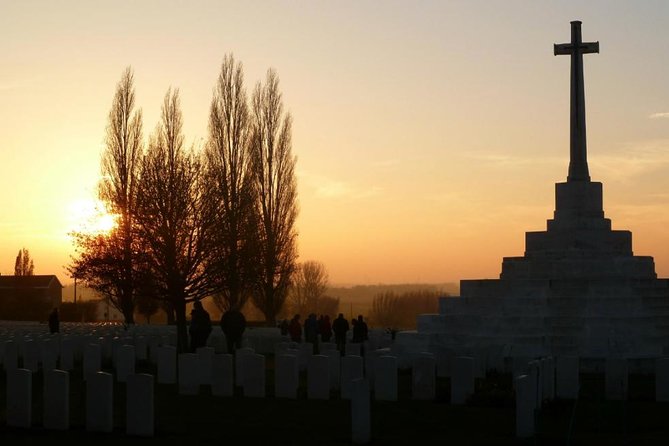
- The cemeteries are central, not incidental: Hooge Crater Cemetery, Tyne Cot, and other burial sites help turn military statistics into individual stories.
- Pickup is unusually broad: Collection is available from hotels and bed-and-breakfasts within a 66-kilometer radius of Ypres, as well as Ghent Dampoort Station, Lille, and Arras.
- It is a private group experience: Your party travels with the guide alone, which makes questions, family research, and changes of emphasis much easier.
Why a private guide changes the Ypres experience
The Ypres Salient is not one battlefield with a single viewpoint. It is a wide area of roads, villages, woods, cemeteries, memorials, and fields where battles unfolded over several years. Without context, many sites can look quiet and ordinary. A good guide links them together.
That is the main value of having Soren with you. He explains what happened, why the ground mattered, and how one battle connected to the next. The strongest praise centers on his command of First World War history and his ability to explain it in plain, thoughtful terms.
A private format also helps if you have a family connection. You can ask to focus on a particular regiment, division, officer, or village if the details fit the route. The tour specifically allows tailoring for family history tied to the region, which is much more useful than following a fixed script.
You should still expect a full day in a vehicle, with short walks at several stops. Some visits last only 15 or 20 minutes, while Messines receives two hours. That rhythm lets you cover a lot, but it can also feel fast if you want long, quiet time at every cemetery.
More Flanders Fields and WWI trips:
- From IEPER Private 4-hour Tour of the Ypres Battlefield
★ 5.0 · 154 reviews - In Flanders Fields and Passchendaele Half Day Morning Tour
★ 5.0 · 117 reviews - Ypres: An exploration of the deadly salient battlefields
★ 5.0 · 76 reviews
Messines Ridge, mine craters, and the Christmas Truce
Messines Ridge is the longest stop, at about two hours, and it gives the day its strongest opening. Here you hear about the Battle of Messines, visit mine craters, and learn about the nearby scene associated with the 1914 Christmas Truce.
The ridge mattered because high ground offered a military advantage. The mine craters show how much of the First World War was fought below ground as well as above it. They are physical reminders of the enormous engineering effort used to break enemy positions.
The Christmas Truce adds a very different human note. The story is often reduced to a sentimental tale of soldiers stopping to exchange greetings, but a good explanation places it beside the larger pattern of industrial war and continued fighting. Soren’s approach, based on the praise for his thoughtful historical explanations, should help keep the story grounded.
You also visit the crypt where Adolf Hitler was treated for wounds. This is an unusual detail, but it should be treated as one small part of the site rather than the reason to visit. The main strength of Messines is the combination of battlefield geography, underground warfare, and personal stories from 1914 to 1917.
Two hours is helpful here. You have time to ask questions and let the site settle before moving on. If you have a relative connected with Messines, this is the point where you will most want to share names and dates with the guide.
Hooge Crater Cemetery and the Menin Road
The stop at Hooge Crater Cemetery lasts about 15 minutes, so you should expect a focused visit rather than a long wander. The guide highlights Pat Bugden VC, a 20-year-old Victoria Cross recipient, and explains the military importance of the Menin Road.
That road was a major route through the Ypres Salient. You will be shown the area beside the road where Australian gun pits were positioned for the assault on Passchendaele. This is a useful lesson in how modern roads can hide wartime geography. The road you see today is part of the same corridor that carried troops, ammunition, artillery, and wounded men.
The short timing is the limitation. Fifteen minutes allows for a concise explanation and a cemetery visit, but not much solitary reflection. If Pat Bugden’s story matters to your family research, ask questions promptly and let Soren know before arriving.
The Australian headquarters site and the road toward Polygon Wood
Another point on the route marks the Australian headquarters in September 1917. You also hear about earlier actions on the same ground in November 1914.
This is valuable because it shows how the First World War was layered across the same places. The land was not used for one battle and then forgotten. Units returned, headquarters shifted, and earlier actions shaped later decisions.
The available details do not give this stop a separate duration, so it appears to be handled as part of the drive or a brief roadside explanation. That is worth keeping in mind. You may not get a long walk here, but you gain a clearer sense of how the Australian advance fits together as you move toward Polygon Wood and Zonnebeke.
A few more trips and experiences worth a look
- From Brussels: Flanders Fields Remembrance Full-Day Trip
★ 4.4 · 65 reviews - From Brussels: Guided Day Trip to Bruges and Ghent
★ 4.6 · 8,353 reviews - From Amsterdam: Bruges Day Trip in English with Boat Option
★ 4.4 · 1,989 reviews - From Amsterdam: Bruges Day Trip in Spanish with Boat Option
★ 4.6 · 1,866 reviews
Polygon Wood: bunkers, cemetery, and the Fifth Division
At Polygon Wood, you walk through the woods and see concrete bunkers that remained from the fighting. You also visit the cemetery and the Australian 5th Division monument. The stop lasts about 30 minutes.
This is one of the more tangible sections of the day. A memorial can tell you who fought and died, but bunkers show the physical conditions of the battle. The combination of woods, concrete defenses, graves, and a divisional monument gives the site several layers without requiring a long museum visit.
The stop also benefits from Soren’s explanation of movement and position. You are not simply looking at a bunker. You are learning how soldiers captured and held ground, and why a wooded area could become a major military objective.
Half an hour is enough for a guided walk and the main stories, though not enough for an extended forest visit. Wear shoes that can handle uneven ground. The tour includes walking at several locations, and cemetery paths are not the only surfaces you will encounter.
Hill 60 and the mine blown at 3:10 a.m.
Hill 60 receives about 45 minutes and focuses on Captain Woodward and the 1st Australian Tunnelling Company. The guide explains the massive mine placed beneath the position and blown at 3:10 a.m. on June 7, 1917.
This stop makes underground warfare easier to understand. The mine crater is not just a large hole in the ground. It represents months of tunneling, danger, secrecy, and careful planning, followed by a single violent blast that changed the position.
Captain Woodward’s story gives the engineering work a human face. The tour is strongest when it moves between broad military events and individual people, and Hill 60 appears designed for exactly that balance.
You will be following the line of the Australian advance by vehicle after this section. That driving time is not wasted. It connects the separate sites and helps you understand that the battle area extended across a broad zone rather than a single compact attraction.
Tyne Cot Cemetery and the scale of loss
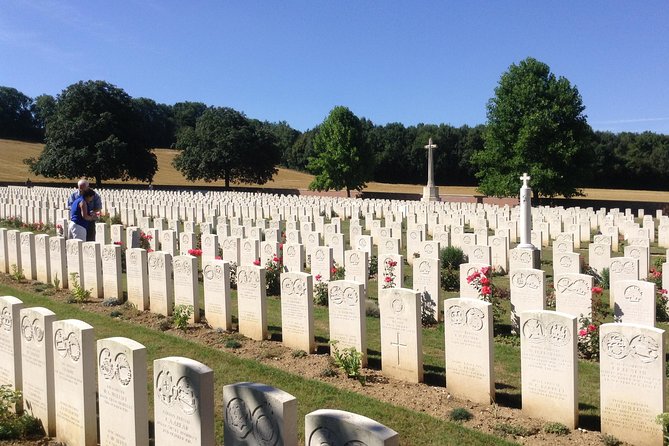
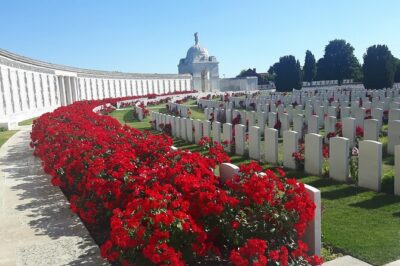
Tyne Cot Cemetery is the largest Commonwealth War Graves Commission cemetery in the world, according to the tour information. About 12,000 soldiers are buried here, while roughly 3,000 are identified by name. Two Australian Victoria Cross recipients are also buried at the cemetery.
The numbers can be difficult to grasp. That is why a guide matters here. Soren can help you move from the scale of the cemetery to the stories of particular soldiers and the Australian connection.
Tyne Cot lasts about 45 minutes. That gives you time to walk, listen, and look closely at the memorial details. It is a formal and carefully maintained place, but the experience is not only about appearance. The sheer size makes the cost of the Passchendaele fighting impossible to ignore.
The cemetery can also be emotionally demanding. You may want a pause after the guided explanation. Because the schedule continues to John McCrae’s site, ask for a little quiet time if you need it. A private tour makes that request easier than it would be in a large group.
John McCrae’s hospital site and In Flanders Fields
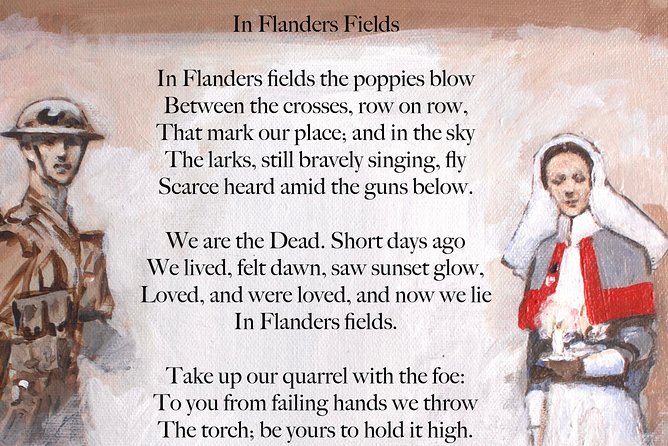
The John McCrae stop lasts about 30 minutes. You visit the hospital site where Lieutenant Colonel John McCrae composed In Flanders Fields, one of the best-known poems connected with the First World War.
This is a quieter kind of historical stop. It links literature, medical service, and battlefield experience. The location helps you understand that the poem was not written in an abstract setting. It came from a wartime medical environment surrounded by injury and death.
I like the way this stop breaks up the military sequence. After mine craters, bunkers, and cemeteries, McCrae’s poem brings language and memory into the day. You can also ask about the circumstances behind the poem and how it became tied to remembrance.
The visit is brief enough to keep the nine-hour route moving. If you want a long literary discussion, you may need to guide the conversation with questions, since the day includes many other major sites.
The Menin Gate and 55,000 missing names
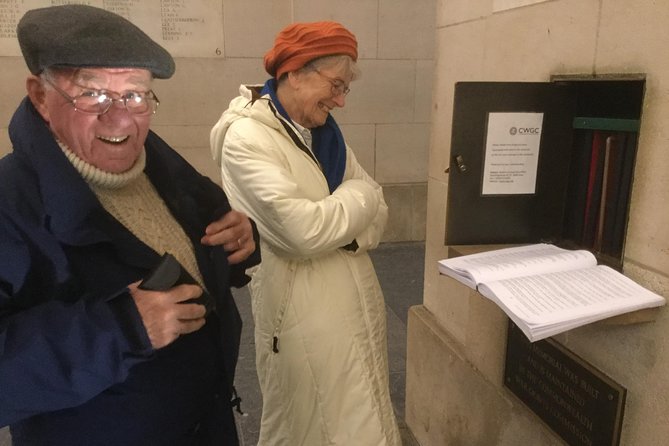
At the Menin Gate Memorial, Soren explains how the memorial came about and discusses the stories behind the approximately 55,000 names of missing soldiers listed there. The visit lasts about 20 minutes.
The Menin Gate is one of Ypres’s essential remembrance sites. Its purpose is not to honor one cemetery or one unit, but to record those whose remains were never identified or recovered. The names give the memorial a personal scale, even though the total is enormous.
This stop also brings the battlefield day back toward the city of Ypres. You are no longer looking only at rural positions and cemeteries. The memorial shows how the war is remembered in a public urban setting.
Twenty minutes is enough for an introduction and a look at the memorial, but the site can reward more time if you return independently. The tour may also provide an opportunity to stay for the Last Post if the timing works. This is not guaranteed by the stated itinerary, so ask about it before booking or on the day.
Sanctuary Wood and original First World War trenches
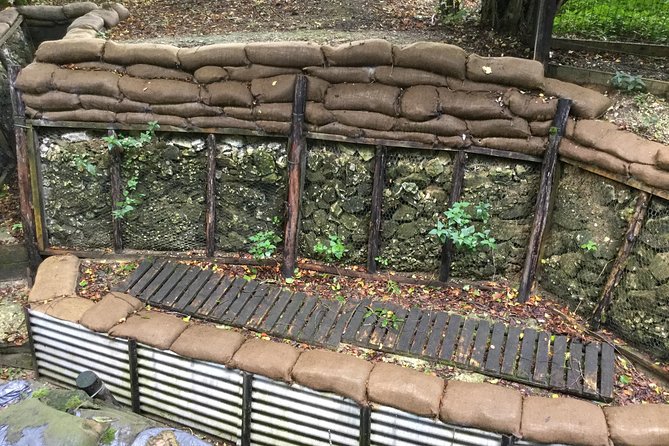
Sanctuary Wood Museum is the final listed stop and lasts about 40 minutes. Its main draw is a set of original First World War trenches.
This is perhaps the most direct physical encounter with the war on the route. Memorials explain loss, and cemeteries record it. Trenches show the cramped defensive world in which soldiers spent their days and nights.
The museum visit is included, unlike the other listed stops, which have no separate admission charge. That makes it a useful closing stop because it gives you something concrete to look at after a day of explanations and remembrance sites.
Original trenches can be uneven and muddy, so practical footwear matters. The tour does not promise an extended museum session, but 40 minutes should give you time to see the trench remains and hear how they fit into the broader Ypres fighting.
Timing, pickup, lunch, and the real cost
The tour begins at 9:00 a.m. and lasts about nine hours. Pickup is offered from hotels and bed-and-breakfasts within a 66-kilometer radius of Ypres, including Lille and Arras in France, plus Ghent Dampoort Station as the Ghent pickup point.
That wide pickup area is a major convenience. You do not have to build a separate transfer to Ypres, and hotel collection in Bruges makes the day particularly easy. Confirm the exact pickup details before booking, since the service covers a wide area and confirmation is subject to availability within 48 hours.
Bottled water is included. Lunch is not, so plan for that yourself. The supplied details do not state a scheduled lunch stop, so bring food or ask the provider how the day handles the midday meal. With eight listed stops and additional driving, you will not want to discover this only after leaving your hotel.
At $532.32 per person, the cost is high for one day. The value improves if you are splitting the price among several people in a private group, especially because the guide can adjust the emphasis and pickup saves you transport costs. For a solo visitor, the same price is harder to justify unless you have a strong family connection or a serious interest in First World War history.
The tour is offered in English, uses a mobile ticket, and allows service animals. Most people can participate, and the activity is near public transportation, although the pickup arrangement means you may not need to use it.
Who will get the most from this day?
You should consider booking if you want more than a quick visit to the Menin Gate. The route is built for someone who wants battlefield context, Australian military history, cemetery visits, and personal stories in one long day.
It is especially well suited to:
- People researching a relative connected with the Ypres Salient
- Visitors with a strong interest in the First World War
- Couples or families who prefer a private guide
- Anyone staying in Bruges, Lille, Ghent, Arras, or nearby areas
- Visitors who want hotel pickup instead of arranging a separate journey to Ypres
You may want a different approach if you prefer museums, leisurely city walks, or a slower schedule. Several stops are brief, and the day includes a lot of driving between sites. This is a focused battlefield trip, not a general sightseeing tour of Ypres.
The emotional tone also matters. Tyne Cot, the Menin Gate, and the other cemeteries are places of remembrance. Soren’s thoughtful style and occasional humor can make the day more approachable, but the subject remains heavy.
Should you book the Ypres Passchendaele tour?
I would book this tour if you want a private, expert-led day covering the major Australian and Commonwealth sites around Ypres. The combination of Messines mine craters, Hill 60, Polygon Wood, Tyne Cot, John McCrae’s site, the Menin Gate, and original trenches gives you a strong understanding of both the battles and their human cost.
The strongest reason to choose it is Soren’s personal guidance. His explanations, attention to individual interests, and willingness to answer questions make the private format useful rather than merely expensive. Ask in advance about family names, the Last Post, and how lunch will fit into the schedule.
I would hesitate only if the price is beyond your budget or if you want long, unhurried visits at each place. For a group sharing the cost, or for someone with family history in the region, the convenience and tailored attention make the $532.32 price easier to defend.
FAQ
How long is the Ypres battlefield tour?
The tour lasts approximately nine hours and begins at 9:00 a.m.
Where can pickup be arranged?
Pickup is available from hotels and bed-and-breakfasts within a 66-kilometer radius of Ypres. The service also includes Ghent Dampoort Station, Lille in France, and Arras in France.
Is this a private tour?
Yes. Only your group participates in the private activity.
Is lunch included?
No. Lunch is not included, although bottled water is provided.
Which languages are offered?
The tour is offered in English.
Can the tour be adapted for family military history?
Yes. The tour can be tailored if you have family history connected with the Ypres and Passchendaele region.
More Christmas
Just added around Ypres
- PRIVATE Australian Western Front Battlefields 3-Day Tour Ypres to Amiens★ 5.0 · 3 reviews
- Discover Tournai while playing! Escape game – The alchemist★ 4.0 · 3 reviews
- From Ypres 4hr Christmas Truce and Monster Mines of Messines PRIVATE Tour★ 5.0 · 5 reviews
- Full Day Canadian WW1 Vimy and Somme Battlefield Tour from Ypres★ 5.0 · 6 reviews
- e-Scavenger hunt Ypres: Explore the city at your own pace★ 4.5 · 6 reviews
- In Flanders Fields and Passchendaele Grand Tour★ 5.0 · 25 reviews
- From Ypres: WWI Battlefields Private Tour★ 5.0 · 25 reviews
- From Ypres, The Christmas Truce to Passchendaele Ypres Based WW1 private tour★ 5.0 · 29 reviews
Flanders Fields & WWI Tours, compared.
Great War Flanders Fields Minibus Tour w/ Lunch
Read our review →
Flanders Fields Remembrance Tour from Brussels
Read our review →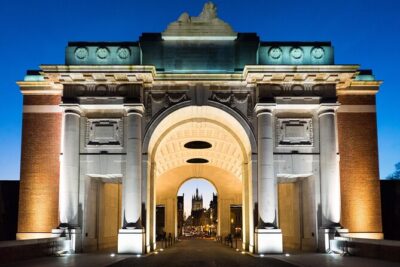
In Flanders Fields and Passchendaele Half Day Morning Tour
Read our review →
An exploration of the deadly salient battlefields
Read our review →
Browse the lists this tour appears in